
Why Volunteer in Ireland for Language Immersion?
Study English In Ireland
November 22, 2025

You should volunteer in Ireland because you’ll practice real Irish every day through community projects, festivals, and casual chats in cafés and pubs. You’ll pick up regional accents and practical vocabulary faster than in a classroom. Staying with a host family or in shared student housing boosts immersion, and cities like Galway, Cork, and Dublin offer lively cultural scenes and easy transport. Volunteer roles are flexible and social, and the tips ahead will help you plan your stay.
Because Ireland blends a rich linguistic heritage with welcoming communities, it’s an excellent place for language immersion. You’ll find Irish dialects alive in conversation, not just textbooks, so you can pick up regional rhythms and idioms fast. Volunteering lets you choose your pace and places to practice — from small villages to lively neighborhoods — giving you freedom to steer your own learning. Cultural festivals offer concentrated bursts of language, music, and storytelling where you’ll join locals and try out phrases in real settings. You’ll gain practical fluency through daily tasks, shared meals, and community projects that value your contribution as much as your progress. If you want autonomy and immersive depth, Ireland gives both.
When you pick a city in Ireland, you’re choosing the kind of immersion you’ll get — from Dublin’s bustling cafes and language schools to Galway’s artsy conversations and small-town friendliness, Cork’s food scene and community projects, and smaller Gaeltacht towns where Irish is heard on the streets. You’ll feel free to shape your stay: pulse of Dublin nightlife for late practice sessions, Galway festivals that spark spontaneous chats, Cork cuisine that brings people together, Limerick arts that inspire creative lessons, and Belfast history that deepens vocabulary through stories. Pick the vibe that fits you.
You’ll notice each neighborhood has its own daily rhythm, from morning markets to evening walks. Stop at a local market, pub, or café to hear conversations and practice the language. Use buses and trains to learn commute patterns and see how locals move through the city.
If you stay in an Irish city for any length of time, you’ll notice each neighborhood has its own daily tempo — from morning paper runs and café queues to evening chatter outside corner pubs. You’ll feel how local traditions and community events stitch people together: kids heading to school, market vans rolling by, and neighbors swapping shortcuts. You can move freely through these rhythms, learning when streets breathe and when they hum. Let these moments guide you.
You’ll find rhythm, not routine.
Three places shape the city’s social life: markets, pubs, and cafés — each a different kind of meeting place where language learning happens naturally. You’ll wander market stalls picking up local produce, haggling lightly, and swapping stories with vendors — those exchanges sharpen listening and speaking while you move freely. Evening pub experiences are lively and unforced; you’ll join rounds of conversation, hear regional phrases, and practice storytelling alongside musicians or locals unwinding after work. Café conversations offer calmer practice: you can linger with a book or laptop, strike up chat with baristas, or join informal language meetups. Together these spaces give you choice and autonomy to engage at your own pace, making immersion feel organic and liberating.
While buses, trams, and trains knit Irish cities together, your daily commute becomes another chance to hear regional accents, practice short exchanges, and pick up everyday vocabulary. You’ll move through friendly chaos — hop on a bus, squeeze into a tram, or stand with locals on a platform — and feel connected to city rhythms. Public transport is practical and social: drivers, commuters, and market traders offer quick phrases you’ll use tomorrow. You’ll choose routes that fit your freedom, mixing errands with spontaneous stops. Let these moments teach you confidence in small talk and timing.
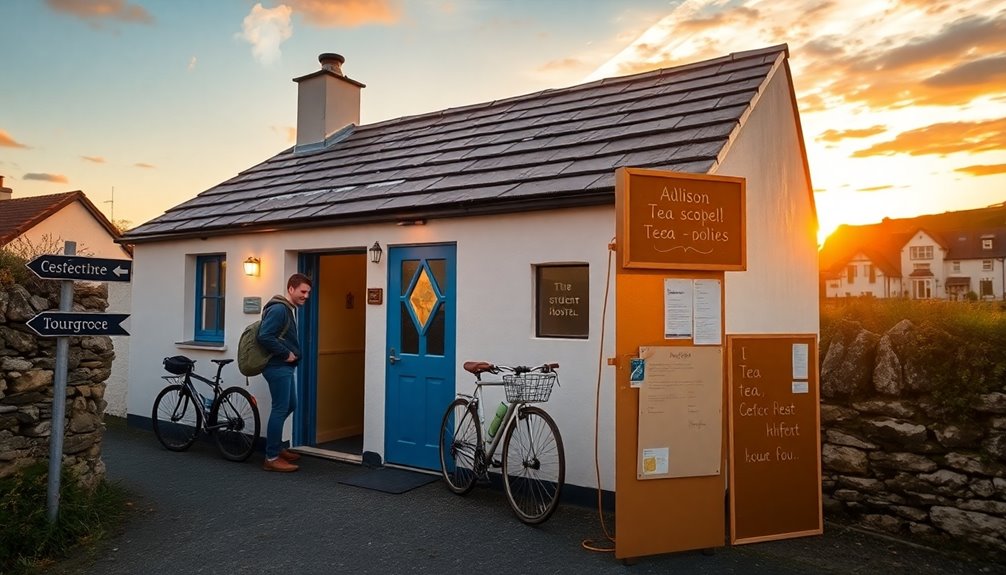
You’ll choose between living with a host family or sharing student housing, and each option shapes your daily language practice differently. Staying with a host family gives you immersive conversation and cultural insight, while shared housing offers independence and peer support. Think about how much structure and interaction you want when you pick accommodation.
If you want the fullest language immersion and a glimpse into everyday Irish life, staying with a host family is hard to beat. You’ll join a household where cultural exchange and family bonding happen naturally — mealtimes, local stories, and casual Irish phrases slip into your day. You’ll keep freedom to explore while having a welcoming base.
Choosing a host family gives independence with support: you grow linguistically and personally while staying free to discover Ireland on your terms.
Shared student housing is a great middle ground between independence and community: you get your own space but live with other volunteers or students, so practice and friendship happen naturally. You’ll enjoy shared living that’s flexible — split bills, cook together when you want, and step out whenever freedom calls. It’s ideal if you’re enthusiastic to practice language casually: morning coffee, group outings, and late-night chats become low-pressure lessons. You’ll also gain authentic cultural exchange as housemates bring different traditions, meals, and perspectives into everyday life. Choose a place near transit or your placement to maximize time for exploring. Set clear house rules from the start so independence and communal respect coexist without friction.
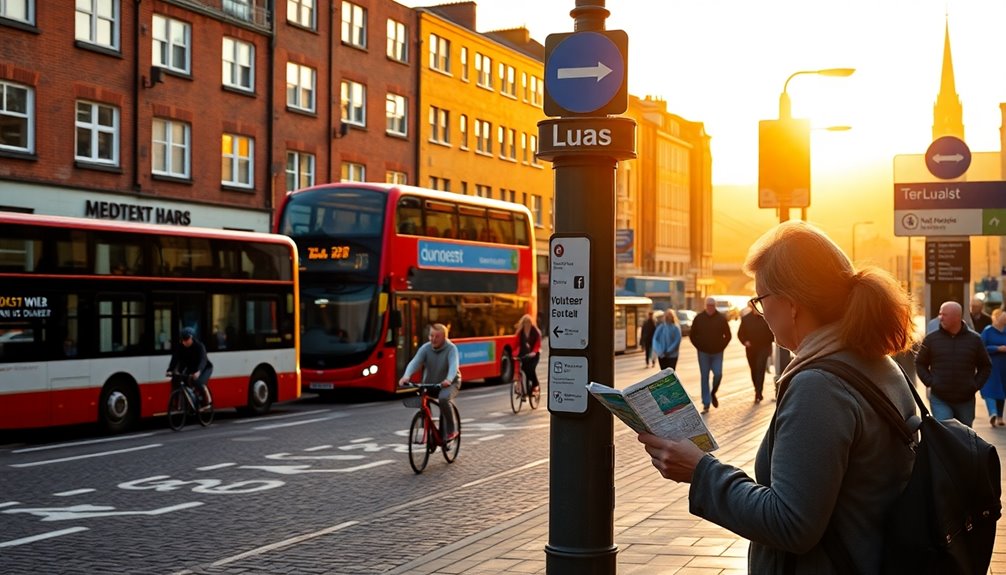
Getting around Ireland’s cities is straightforward once you know the basics: buses, trams, trains and handy bike schemes will get you where you need to go. You’ll quickly trust public transportation for fast city navigation, letting you explore neighborhoods, cafes and volunteer sites on your own terms. Keep a transit app, leap onto a tram or bus, or grab a rental bike for spontaneous discovery.
These choices give you independence, adventure and confidence while volunteering.
When budgeting for your stay in Ireland, expect monthly costs to vary by city, lifestyle and housing choice — Dublin is considerably pricier than smaller towns — so plan realistically for rent, food, transport and extras. You’ll want clear cost comparisons to choose where your money stretches furthest. Aim for simple budgeting tips: share accommodation, cook often, and use student discounts. Freedom-loving travellers can pick a base that fits their pace — cheaper towns let you explore more. Below’s a quick snapshot to guide your planning.
| Item | Low estimate (€) | High estimate (€) |
|---|---|---|
| Rent (shared) | 350 | 900 |
| Food & essentials | 150 | 300 |
Although volunteering can feel like giving time, it’s one of the fastest ways to boost your Irish language skills because it forces real conversations, exposes you to local speech patterns, and gives purpose to practicing. You’ll choose roles that match your appetite for freedom and growth while enjoying authentic language exchange and clear skill enhancement.
Pick opportunities that let you roam, speak freely, and learn at your own pace while contributing meaningfully.
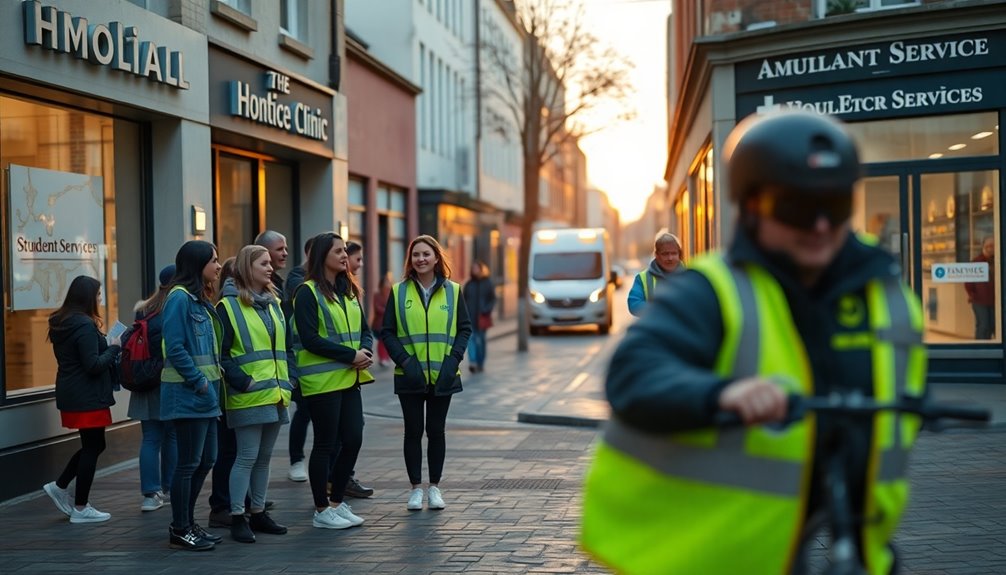
Because city life can be fast and unfamiliar, you’ll want to know where to turn for student services, healthcare, and safety support so your time in Ireland stays smooth and secure. You’ll find clear student support desks at campuses and volunteer centers, plus accessible health services for routine care and volunteer health checks. Learn emergency contacts and local urban safety tips, and keep a list of nearby clinics and Garda stations. Use community resources and online portals to book appointments and report concerns quickly, preserving your freedom to explore.
| Service | Where to find it |
|---|---|
| Student support | Campus offices, volunteer hubs |
| Health services | GP clinics, urgent care centers |
| Emergency contacts | Garda station, ambulance, 112/999 |
If you want to make friends and practice Irish (or English), join local clubs, language cafés, and university societies where conversation is relaxed and regular. You’ll find language meetups and cultural exchanges that fit your pace, letting you choose lively sessions or quiet chats. Social life here feeds curiosity and freedom: pick music nights, walking groups, or book circles to speak naturally and feel at home.
You’ll leave each meeting freer, more fluent, and connected to a welcoming community.
Before you go, make sure your passport, visa paperwork, and any required health or background documents are current and organised. Pack for Ireland’s changeable weather with waterproof outerwear, sturdy shoes, and layers, plus any personal or study items you can’t easily replace. Keep digital copies of documents and a small, well-planned carry-on kit so you’re ready from arrival to first volunteer shift.
When you’re planning to volunteer and study in Ireland, getting your travel documents and visa sorted early will save you time and stress; requirements can vary by nationality, program length, and whether you’re being paid or just receiving room and board. Start your visa application well before departure, gather passport photos, proof of accommodation, and any acceptance letters. Consider travel insurance that covers health and activities, and carry digital copies of everything.
You’ll move freely once you’ve handled these practical steps.
Although Ireland’s weather can shift from sun to rain in hours, you’ll want a compact wardrobe that layers well, protects against wind and rain, and suits both casual volunteering and classroom settings. Pack versatile pieces: a lightweight waterproof jacket, breathable base layers, a warm mid-layer, and one smarter top for meetings or lessons. Bring comfortable, durable shoes for walking and outdoor tasks plus a pair for indoor use. Don’t forget quick-dry socks, a compact umbrella, and a hat that shields from wind and drizzle. For freedom-minded travelers, choose mix-and-match items that minimize luggage and maximize options. These practical packing tips and clothing recommendations help you stay ready, comfortable, and adaptable while you volunteer and study in Ireland.
Yes — you can. You’ll find rural opportunities near cities, but you’ll need to balance city logistics like transport, scheduling, and housing. You’ll want flexible shifts and weekend escapes so you’re free to explore both community life and urban energy.
No — they’re not just for experts; like opening a hidden door, advanced learner programs exist alongside immersive experiences for all levels. You’ll find flexible options, so you can choose the freedom to grow at your own pace.
You usually won’t need a work permit for unpaid placements, but check specific work permit requirements and unpaid placements legality beforehand; local rules and visa conditions vary, so confirm with authorities or host organizations to protect your freedom and options.
Aye, you can — many programs offer university partnerships so your volunteer hours count toward academic requirements; check with your home institution and the Irish placement coordinator, and you’ll keep flexibility while earning formal credit.
You’ll discuss dietary preferences openly with your host, helping with meal planning and offering recipes or shopping lists; you’ll politely teach alternatives, suggest simple swaps, and retain freedom by contributing to menus while respecting household routines.
You’ll find Ireland’s friendly cities, rich culture, and varied volunteer roles make it easy to fast‑track your language skills while living like a local. Join a program and you’ll be in good company — Ireland welcomes over 11 million visitors a year, so you’ll have plenty of chances to practise English in real situations. Pack adaptable clothes, an open mind, and a sense of adventure, and you’ll come home more confident, connected, and fluent.
https://shorturl.fm/MhB8u