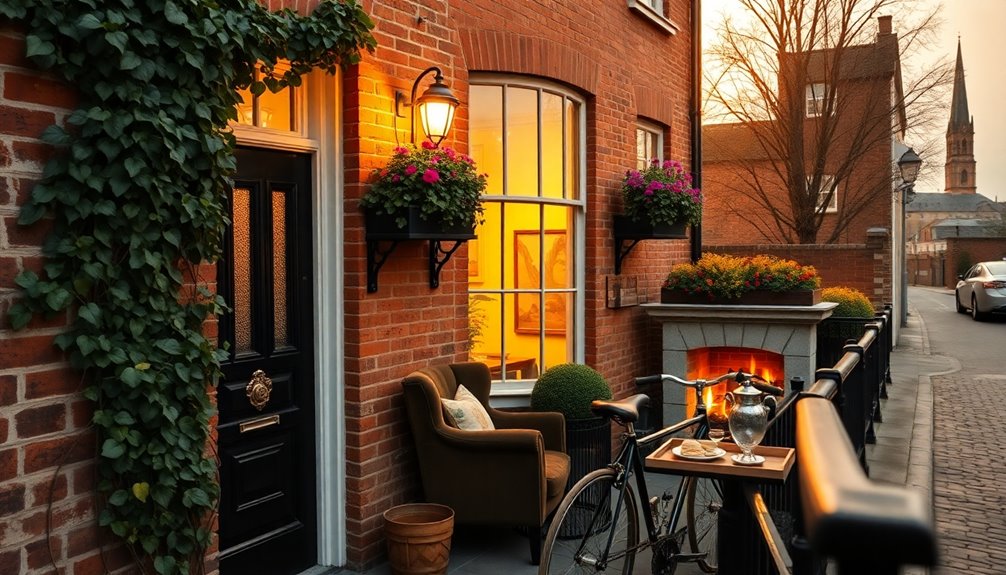
Find Your Perfect Dublin Homestay Adventure
Study English In Ireland
December 31, 2025

Looking for a Dublin homestay that’ll suit your studies and budget? You’ll get local support, steady English practice, and a mix of independence with friendly guidance. Pick neighborhoods near your college or good transport hubs for quick commutes and evening options. Check nearby shops, libraries, and bike routes, and confirm hosts can meet dietary or privacy needs. Safety tips, GP access, and house rules keep life smooth — keep going to learn practical arrival steps and local tips.
If you want a smoother changeover to life in Dublin, a homestay gives you real support: you’ll live with locals who can show you neighbourhood shortcuts, help with public transport, and introduce you to Irish customs and food. You’ll keep independence while gaining trusted guidance — morning routines, meal rhythms, and household tips that let you explore confidently. Homestays offer authentic cultural immersion and steady language practice, so you pick up idioms naturally and test conversations without pressure. You can set boundaries, choose how social you want to be, and still enjoy shared moments like cooking or city tips. For a student craving freedom, a homestay balances autonomy with belonging, making Dublin feel like yours faster.
When choosing a homestay, you’ll want to be close to your college so commuting’s quick and reliable. Check for good student transport links like buses, trams, and bike routes that fit your schedule. Also look for neighborhoods with affordable shops, cafes, and study-friendly spots to keep living costs down.
Because you’ll likely want quick commutes and easy access to campus life, choosing a homestay near a college makes daily routines and socializing much simpler. You’ll wake up steps from the college campus, stroll to lectures, and still have tucked-away spots to recharge. Look for areas where student housing blends with local cafés, markets, and green spaces so you can study, meet friends, and explore without feeling boxed in. Host families near universities often understand student schedules and give you independence while offering a safety net. Prioritize neighborhoods that match your vibe — lively or laid-back — and homes that let you cook, study, and host mates. That balance keeps your Dublin experience flexible, social, and truly yours.
Good transport links make life as a student far easier — you’ll get to lectures, part-time work, and social spots with minimal hassle. Choose a homestay near reliable public transport hubs like Luas stops, DART stations, or major bus corridors so you can roam freely without long waits. Look for neighborhoods with night services if you crave late study sessions or nightlife. Ask hosts about bike storage and walking routes to campus — sometimes cycling or walking is faster than crowded buses. Use commuting tips: buy student Leap cards, plan routes with real-time apps, and try off-peak travel to save time and cash. Prioritize connections that let you control your schedule and explore Dublin on your terms.
Beyond transport, you’ll want a neighborhood that keeps everyday costs low without sacrificing convenience. Choose areas near universities and student hubs where affordable dining spots, market stalls, and small grocers make cooking and socializing cheap and easy. You’ll appreciate cafés that double as study spaces and pubs with student nights, so nights out don’t break the bank. Look for parks, galleries, and community centers offering budget friendly activities like free concerts, yoga classes, and language exchanges — great for meeting people and staying curious. Renting near these amenities gives you freedom to explore on foot or bike, trim commute time, and control living expenses. Scout a few blocks to balance quiet study zones with lively, wallet-friendly options.
If you’re commuting around Dublin for classes or social life, you’ll find a compact, well-connected network of buses, trams (Luas), and trains (DART/Commuter) that make getting around straightforward and affordable. You’ll love the freedom this public transport offers: fast routes into the city, regular timetables, and contactless Leap cards that cut fares. Pick a homestay near a frequent route to save time and money. For peak-hour travel, aim for earlier departures or quieter lines to avoid crowded carriages. Consider cycling for short hops — many areas have bike lanes and secure storage. Plan journeys with the Transport for Ireland app, scout alternative commuting options for nights out, and you’ll move around Dublin confidently and independently.
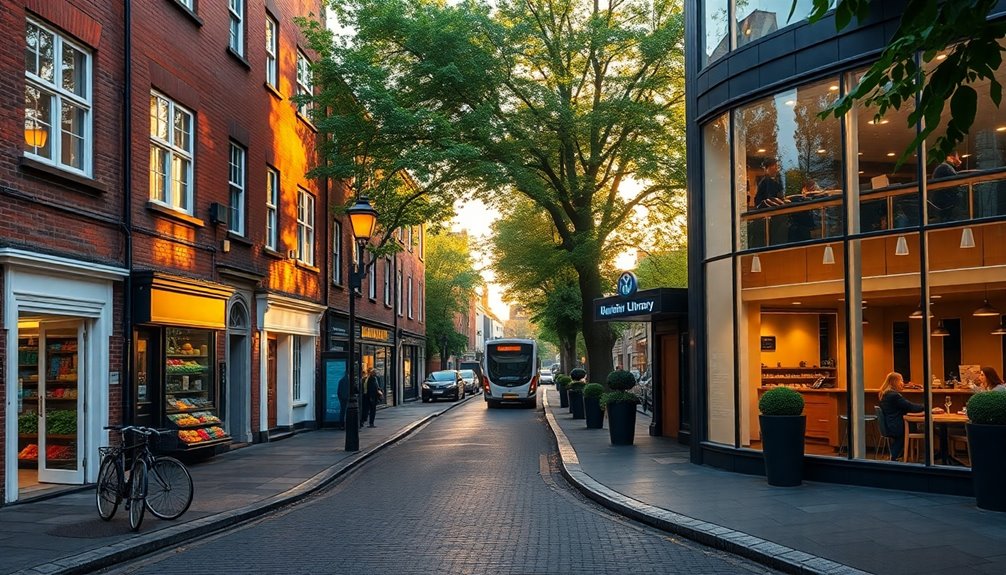
While staying with a homestay in Dublin, you’ll find essential shops, libraries, and study spaces close at hand so you can settle in quickly and keep your routine. You’ll pop into local shops for fresh bread, toiletries, and quick meals, enjoying the convenience and friendly faces. Community libraries offer quiet corners, free Wi‑Fi, and often late hours so you can study on your schedule. Dedicated study spaces in cafes and university hubs give you flexible spots to focus or collaborate. When you need balance, nearby recreational facilities — parks, gyms, and courts — help you recharge. This mix of practical amenities and relaxed venues makes it easy to stay independent, productive, and connected during your Dublin homestay.
Because homestays come in several shapes, you’ll want to pick one that fits your needs and personality—shared family homes, host-only arrangements, or student-focused households each offer different levels of privacy, meals, and interaction. You’re seeking freedom, so consider how each setup supports your routine, study habits, and social life while enjoying homestay benefits and clear host expectations.
Ask about room privacy, guest policies, and chores up front. Choose a household that respects your independence while offering the support you want.
Choosing the right homestay affects more than your daily routine — it shapes your monthly expenses too. You’ll want clear budgeting strategies to balance rent, transport, and leisure without feeling tied down. Pick hosts whose house rules match your freedom-driven lifestyle so unexpected costs don’t clip your wings. Track living expenses weekly, set a flexible entertainment fund, and prioritize essentials like transit passes and phone plans.
| Fixed costs | Variable costs |
|---|---|
| Rent & utilities | Social outings |
| Transport pass | Occasional extras |
Aim for simple tools — a spreadsheet or app — to monitor trends and adjust quickly. With discipline and smart choices, you’ll enjoy Dublin while keeping finances under control.
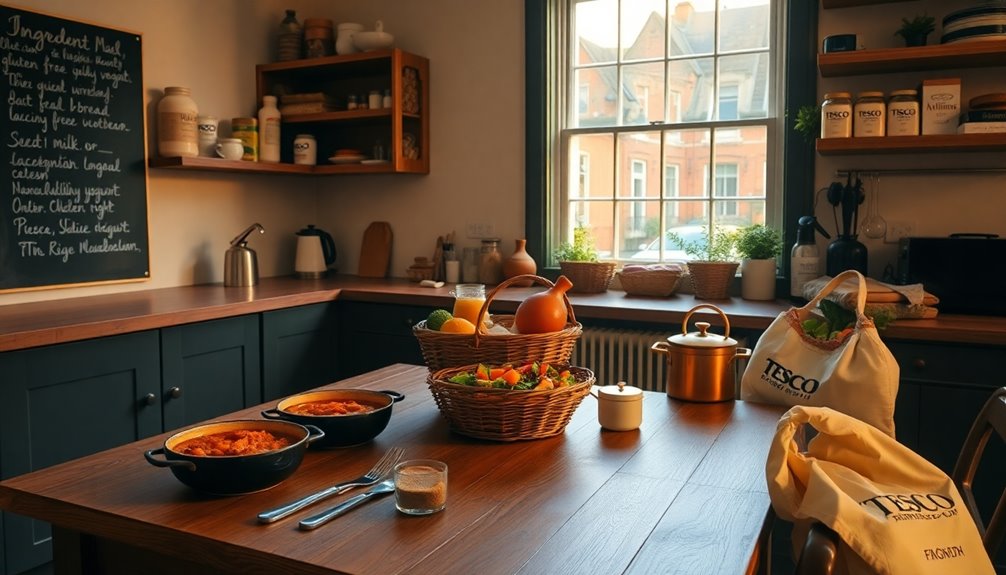
You’ll get to try hearty local Irish meals like stew, soda bread, and breakfast fry-ups at your homestay. Hosts are usually happy to accommodate dietary needs—just tell them about allergies, vegetarian or halal preferences ahead of time. If you prefer cooking, there are plenty of nearby groceries and markets where you can find both everyday staples and international ingredients.
Meals in Ireland center on hearty, simple flavors—think stews, soda bread, and fresh seafood—so you’ll find plenty that feel familiar and some regional specialties to try. You’ll explore Irish cuisine through traditional recipes using local ingredients, savor spontaneous meal experiences, and visit bustling food markets that celebrate culinary traditions. Eat with hosts who’ll show you how to fold soda bread or ladle stew, then head out to taste seafood by the coast. Picture plates like:
You’ll roam freely and eat well.
While hosts aim to keep things simple and homey, they’re flexible about allergies, vegetarians, vegans, and other dietary needs—so tell them your restrictions ahead of arrival and they’ll usually adapt recipes or shop accordingly. You’ll find hosts happy to offer vegan options, gluten free meals, or dairy- and nut-free substitutions without fuss, letting you eat confidently while you explore. Speak up about meal timing, portion sizes, or adventurous tastes and they’ll accommodate your rhythm. If you like to prepare something yourself, most homes welcome shared cooking or label ingredients clearly. This setup gives you the freedom to eat how you want, enjoy local flavours tailored to you, and relax knowing dietary needs are respected and simple to manage.
Want to grab ingredients or find a quick bite? You’ll love the grocery store options around your Dublin homestay — they let you choose meals on your own terms. Pop into nearby supermarkets for staples, or wander to local markets for fresh, seasonal finds that fuel spontaneous plans. You can shop for dietary-specific items or pick up ready-to-eat treats when you want to hit the road.
These choices keep your days flexible, tasty, and truly yours.
Because your safety and health are our top priorities, we’ve put together clear procedures, local emergency contacts, and support resources so you know what to do if anything goes wrong while you’re staying with a host family. You’ll get concise student safety tips at arrival—how to lock your room, who to call, and safe travel routes—so you can explore freely without guesswork. We’ll explain emergency procedures for fire, medical, or lost-passport situations and provide 24/7 numbers for local services and our student support line. For health services, you’ll receive guidance on registering with a GP, accessing pharmacies, and handling minor ailments. If you ever feel unsafe or unwell, contact your host, our support team, or emergency services immediately.
When you move in with an Irish host family, you’ll find that friendliness, modesty, and a good sense of humour go a long way; simple gestures like greeting everyone when you come home, asking before using shared spaces, and offering to help with small chores show respect and make daily life smoother. You’ll enjoy freedom while fitting in if you follow Irish customs and keep host interactions warm and effortless. Be punctual for meals, ask about routines, and accept invites with casual enthusiasm. Picture everyday moments:
Small acts build trust and independence.

If you’re open and curious, Dublin makes it pretty easy to meet people—start by joining clubs, classes, or local events that match your interests and you’ll find conversation flows naturally over pints, coffee, or shared activities. You’ll want to try social clubs for sports, language exchange, or creative workshops; they’re low-pressure ways to connect and keep your schedule flexible. Look for friendship events aimed at newcomers, uni students, or expats on community boards and social apps. Be proactive: say yes to invitations, organise a casual meetup, or suggest a walk in Phoenix Park. With a relaxed attitude and a bit of initiative, you’ll build a network that supports your independence and makes Dublin feel like your own.
When you arrive in Dublin you’ll want to sort paperwork and transport—passport checks, getting an IRP appointment if needed, and finding the best route from the airport or station. Next, set up local essentials like a SIM card, a bank account or temporary banking options, and a Leap Visitor Card or student Leap for buses and trams. In your first week, follow simple host etiquette: communicate schedules, offer to help around the house, and ask about any house rules.
1 checklist you’ll want at hand: passport, visa documents, acceptance letter from your host program, and any arrival forms your host family or school sent in advance. Keep arrival documents in a slim folder you can grab quickly; you’ll feel freer when things are organised. Decide on transport options before you land — taxis, shuttle buses, or the Luas and buses each suit different budgets and moods.
Share your arrival time with your host, save emergency numbers, and carry some euros for the first ride.
Where will you stash essentials? You’ll want a clear plan: unpack a bag with chargers, documents, basic meds and a spare outfit so you can roam. Find nearby local markets for snacks and supplies, and map essential services — pharmacy, grocery, transport card office — within walking distance. Keep copies of important papers in your room and digitally. Prioritize independence: a SIM card, laundry access, and emergency contacts give you freedom to explore.
| Item | Purpose | Where to find |
|---|---|---|
| SIM card | Stay connected | Corner shop/local markets |
| Transport card | Move freely | Station kiosk |
| Pharmacy | Health needs | Main street |
| Laundry | Clean clothes | Local laundrette |
| Backup docs | Proof/IDs | Cloud + room safe |
Although you’ll arrive enthusiastic to explore, the first week is about settling in and building rapport with your host: unpack the essentials, ask about house rules (quiet hours, guest policy, kitchen use), and offer a small thank-you gesture like groceries or a note to show appreciation. You’ll want clear host communication from day one so you can enjoy freedom without friction. Learn homestay rules, where linens live, and any laundry routines. Be punctual for agreed times and offer to help with small chores. Visualize settling in:
Usually not — you’ll need to check pet policies first. Some hosts offer pet friendly options or short visits, but freedom-seeking guests should confirm rules, fees, and supervision with your host before bringing or inviting any pets.
Yes — short term availability can pop up during peak semester breaks, but it’s limited and competitive, so you’ll want to act fast, stay flexible, and grab a spot the moment it appears to secure that liberating, brief stay.
Yes — many homestays offer gaming necessities like strong lighting and high-back chairs, so you’ll get workspace comfort and freedom to play or work long hours, though availability can vary by host and property.
Yes — you can usually receive package delivery and registered mail at your host family’s address, but you’ll want to confirm their mail security practices, agree pickup times, and keep communication open so your freedom and privacy aren’t compromised.
Yes — many hosts offer paid language exchange or tutoring sessions; imagine a quiet kitchen light where language benefits unfold, cultural exchange sparks, and you’ll feel free to choose lessons that fit your pace, schedule, and adventurous spirit.
You’ll settle into Dublin’s homestay rhythm sooner than you think — it’s a gentle nudge into local life rather than a plunge. Expect warm households, handy transport links, and quiet corners for study, with hosts who’ll shepherd you through practical bits and social invitations. Keep emergency numbers at hand, mind local customs, and say yes to new clubs and coffees. Before long, what felt novel will feel like home, in the kindest possible way.
https://shorturl.fm/wniNO
https://shorturl.fm/9hzIZ
https://shorturl.fm/twXF5
https://shorturl.fm/XsHaN
https://shorturl.fm/t5yEb