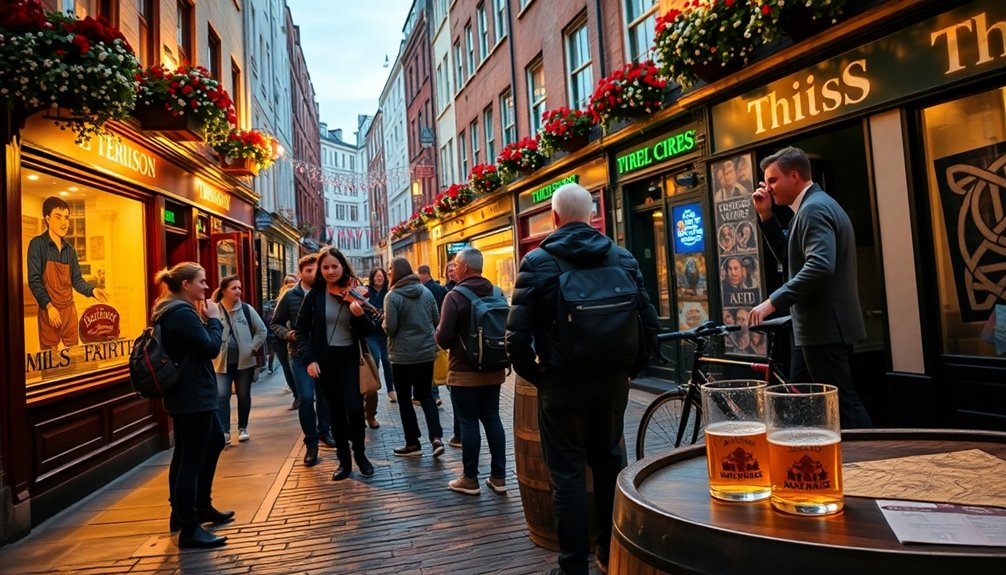
Craic-Packed Culture Quests for Student Explorers
Study English In Ireland
January 31, 2026

You’ll jump into ceilidhs and pub sessions where you’re encouraged to tap along, try a fiddle or just listen and learn by ear. Hunt last-minute GAA tickets with fellow students and soak up matchday rituals. Swap stories at seanchaí nights, practice Irish in cosy conversation cafés, and join folk-dance or stepdance workshops. Explore festivals, markets and hidden heritage corners, tasting regional specialties and making friends along the way — keep going and you’ll find practical tips and local hacks.
When you step into a student-run traditional music session or ceilidh, you’ll find a relaxed, welcoming circle of players and dancers where learning happens by listening and joining in. You’ll be invited to try traditional instruments — fiddle, accordion, flute — or just tap along until you feel ready. The vibe’s open: nobody’s policing skill, and music improvisation is encouraged so you can experiment and find your voice. You’ll learn tunes by ear, swap tips with others, and join dances that welcome all abilities. If you crave freedom, this scene lets you choose how involved you want to be: sit, watch, play softly, or lead a set. It’s communal, freeing practice that builds confidence and friendships.
Although the roar of the crowd can feel intimidating at first, tickethunting for Gaelic games is mostly about planning and persistence: know the fixture list, check club and stadium sites for ticket releases, follow relevant social media for last-minute allocations, and join student groups that swap or sell spares. Once you’ve nailed ticket purchasing, embrace match etiquette that lets you enjoy the game and respect local culture. Stand where locals stand, clap the big plays, avoid blocking views, and keep banter friendly — passion’s welcome, aggression isn’t. Bring a compact rain jacket, arrive early to soak up the atmosphere, and follow steward instructions. You’ll leave feeling freer, connected, and ready to chase the next fixture with confidence.
You’ll learn traditional seanchaí techniques—tone, timing, and the quiet art of holding a room—by watching masters and practicing short tales. Then you can try open-mic story swaps where everyone gets a turn to riff, remix, and receive feedback. These nights teach you how to shape memory into performance and connect with classmates through shared narrative.
If you want to feel the heart of Irish oral tradition, attend a storytelling night or seek out a seanchaí on campus: these sessions blend sharp memory, rhythmic phrasing, and audience intimacy to make history, myth, and humor come alive. You’ll learn how seanchaí storytelling uses cadence, pause, and gesture to free listeners’ imaginations. You’ll see memory techniques—chains of images, repeated refrains—and how a teller reads a room, shifting tone to draw people in. You’ll be invited to resist scripted speech and embrace improvisation, making tales yours in the moment.
When you wander into an open-mic story swap, expect a room that feels alive with small risks and big welcomes: strangers hand over a minute of attention, and someone else hands back a piece of themselves. You’ll find story prompts chalked on a board, bar stools circled like islands, and a hush that lets every phrase land. You can try a fragment, borrow a narrative techniques tip from a seasoned seanchaí, or listen until you want to speak. There’s freedom to reshape a memory, remix myth, or fail elegantly and laugh. These nights teach you to trust your voice, edit on the fly, and connect without scripts. Leave rigid expectations at the door and bring curiosity instead.
Curious how to pick up a few cúpla focail without sitting through a formal class? You’ll find pop-ups and conversation cafés that make language immersion feel spontaneous and liberating. Drop in, chat, laugh, and leave with new phrases — no pressure, just choice. These gatherings prioritize conversation exchanges, local slang, and playful practice so you grow naturally.
You control your pace, pick the topics you love, and build confidence while roaming cultural corners.
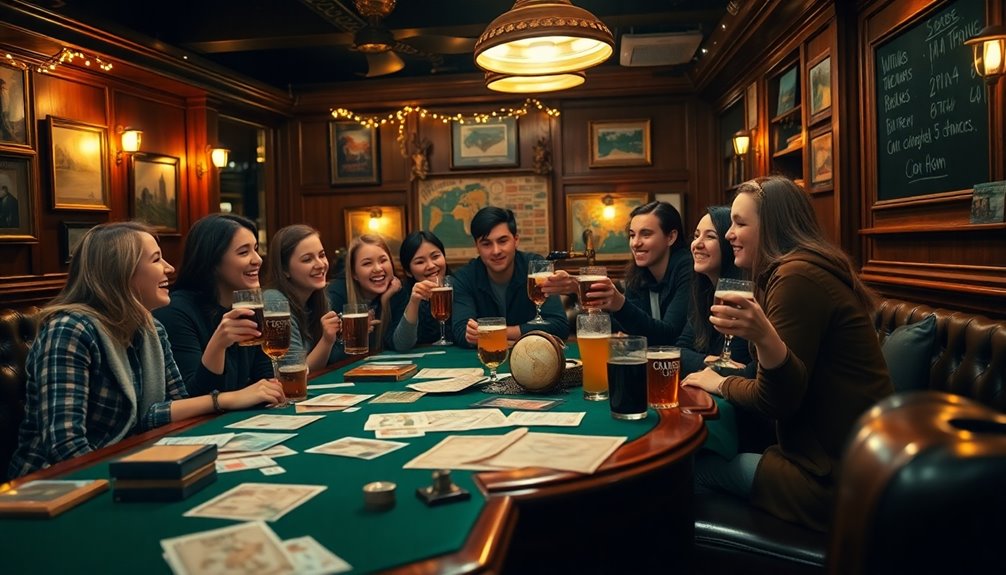
After grabbing a cúpla focail at a pop-up or café, head to a pub quiz to test those new phrases and pick up cultural nuggets between rounds. You’ll find pub trivia nights where teams trade quick wit and local lore, so join up or fly solo — no rigid rules. Questions can span music, history, slang and current campus life, and the pace keeps things lively. Cultural quizzes offer themed evenings — films, myths, regional dishes — letting you steer your own learning while having fun. Bring friends, smart-phone notes, and curiosity; you’ll leave with conversation starters, new contacts, and a buzz of freedom that makes the city feel more like yours.
Fancy trying your feet at something that’s loud, social, and steeped in local rhythm? You’ll find folk dance workshops and stepdancing tryouts perfect for breaking routine, joining a community dance, and diving into rhythm exploration. You’ll learn steps quickly, swap stories between sets, and feel the beat free up your body and mood. Wear comfy shoes, bring a friend or come solo — you’ll meet others craving movement and connection.
You’ll want to map out parade routes and pick the best spots for viewing the highlights. Check out local markets for unique crafts and snacks, and plan time to wander stalls between events. Don’t miss the live music and buskers—they’ll give you the festival’s true rhythm.
Ever wondered where the best parade viewing spots are and what moments you absolutely shouldn’t miss? You’ll want spots near corners where floats pause, or beside raised steps for clear sightlines. Learn a little parade history so you’ll spot traditions, and feel the cultural significance in costumes and banners. Pick routes with easy escape paths — freedom to move matters. Stay hydrated, arrive early, and let street rhythms pull you in.
Plan routes; choose spots that let you roam, watch, and join.
After you’ve scoped the best parade vantage points, follow the sounds and smells that spill into nearby markets and street stages — that’s where the festival’s everyday life happens. You’ll drift through stalls where spices, crafts and vinyl invite you to touch, taste and barter; markets pulse with improvised rhythms and unexpected deals. Seek out street performers who dare you to stop, clap or join a circle; their acts break down barriers and spark cultural exchanges on cobbled corners. Let loose: sample local bites, trade a sketch, learn a chorus, swap stories with fellow wanderers. Carry a small notebook, cash and curiosity. Festivals reward those who move freely, listen openly and let spontaneous encounters rewrite your weekend plans.
Curious what stories lie beneath the campus sidewalks? You can slip into guided heritage storytelling walks that spark curiosity and make history feel like your own. Small groups, ruined walls and quiet plaques invite you to claim the past and roam freely.
You’ll leave with a braver sense of belonging, a map of secret sites, and permission to wander off the beaten path — because freedom and the past belong together.

Food is the quickest way to know a place—follow a food trail through bustling markets, cozy pubs, and stalls selling regional specialties, and you’ll taste the stories locals swap. You’ll wander market experiences where vendors brag about secret recipes and you’ll haggle for fresh bread, cheese, or spice mixes. Slip into a pub for hearty bowls, unexpected food pairings and a pint served with laughter; locals will point you to off-menu favorites. Chase regional specialties by foot or bike, letting scent guide you to smoky, sweet, or tangy treats. Travel light, trust your appetite, and swap bites with new friends. These trails give you freedom to explore, taste boldly, and collect memories that don’t fit in a guidebook.
Yes — you’ll find wheelchair accommodations and overall event accessibility on most activities; we’ll work with you for specific needs, offer accessible routes and seating, and encourage you to request adjustments so you can fully enjoy the experience.
Yes — you can volunteer at festivals; you’ll find festival volunteering opens doors for cultural exchange, flexible roles, and local networks. You’ll choose tasks that suit your freedom-seeking spirit and grow skills while sharing your culture.
There’s usually no strict age limit for ceilidh participation — you’ll find ceilidh etiquette encourages everyone to join; family participation’s welcome, so feel free to dance, ask for guidance, and enjoy the lively, inclusive atmosphere together.
Yes — you can take photos, but you’ll want to honor photo etiquette: treat storytelling experiences like a delicate lantern, capturing light without blowing wind on flames; keep flash off, be discreet, and respect storytellers’ wishes.
Yes — you’ll find vegetarian and vegan options at events, and organizers highlight event sustainability practices and local food sourcing, so you can freely enjoy plant-based choices that support eco-friendly menus and nearby producers while exploring the program.
You’ll find that diving into Ireland’s cultural patchwork will leave you richer than you arrived — after all, “a good turn deserves another.” From toe-tapping ceilidhs and pub quizzes to language pop-ups and hidden heritage spots, you’ll collect stories, tastes and mates for life. Embrace the craic, try the stepdancing, cheer at a Gaelic match and follow the food trail; you’ll come away changed, with memories that’ll stick long after the plane lands.
Share your link and rake in rewards—join our affiliate team!
BK999gamedownload seems like the place to be for all the latest game downloads. Hope they got what I’m looking for. Time to dive in! bk999gamedownload
Gigabetcasino, eh? Let’s hope those ‘giga’ bets pay off big time. Got my strategy ready. Let the spins begin! gigabetcasino
Yo, Jeetbuzzapp is legit! Been playing on it for a while now and it’s my go-to for some quick fun. Smooth interface and the games are solid. Check it out! jeetbuzzapp