
Laugh-While-You-Study Guide to Rebel City
Study English In Ireland
February 2, 2026

You’ll get practical, confidence-boosting English fast by mixing lively classes with street-level chats, pub banter and short daily micro-tasks that feel like social life. You’ll start speaking on day one with high-frequency phrases and playful conversation sprints. Pair up with a curious local for errands, market banter and gentle corrections. Use cafés for mini challenges, quick listening drills and tiny timed writing sprints. Stick with it and you’ll find a clear 30-day plan to keep momentum.
Because learning should feel like an adventure, Rebel City mixes lively classes with real-world activities so you’ll actually want to use the English you learn. You’ll thrive in a Rebel atmosphere that pushes you to explore language through Cultural immersion and Social events, not just textbooks. Expect Language festivals and Community gatherings where you chat over Local cuisine and pick up slang naturally. Heritage tours let you practice storytelling, while vibrant Music scenes and Artistic expressions spark conversation and creativity. You’ll join Outdoor activities that build confidence and friendships, freeing you from classroom nerves. This city hands you tools to express yourself boldly, so you can learn on your terms, have fun, and live the language every day.
Conversation-sprints are the quickest way to break the silence on day one: start with simple, high-frequency phrases you can use immediately, like greetings, ordering food, and asking for directions. You’ll face speaking challenges, but bite-sized practice frees you fast. Use bold conversation starters: “Hi, how’s it going?”, “Can I have…?”, “Where’s the…?” Keep it playful, confident, and curious — you’re claiming freedom to try.
| Situation | Phrase |
|---|---|
| Greeting | Hi! Nice to meet you. |
| Ordering | I’ll have the [dish], please. |
| Directions | Is this the way to [place]? |
| Small talk | What do you recommend here? |
Do short, frequent sprints, celebrate tiny wins, and talk like you mean it.
When you want fast, real-world progress, pick a street-level partner who’s reliable, curious, and willing to keep things messy — not perfect. You’ll want someone into a true language exchange: swapping stories, correcting kindly, and dragging you into street scenes where local lingo lives. Choose a person who respects your pace but nudges you out of comfort zones — a friend who laughs at mistakes and celebrates bold tries. Prefer variety over polish: short walks, errands, market banter, and quick debriefs afterward. Agree on goals, feedback style, and a loose schedule so freedom stays central. Keep it low-commitment but consistent; that balance turns random chats into steady gains without chaining you to rigid classes.
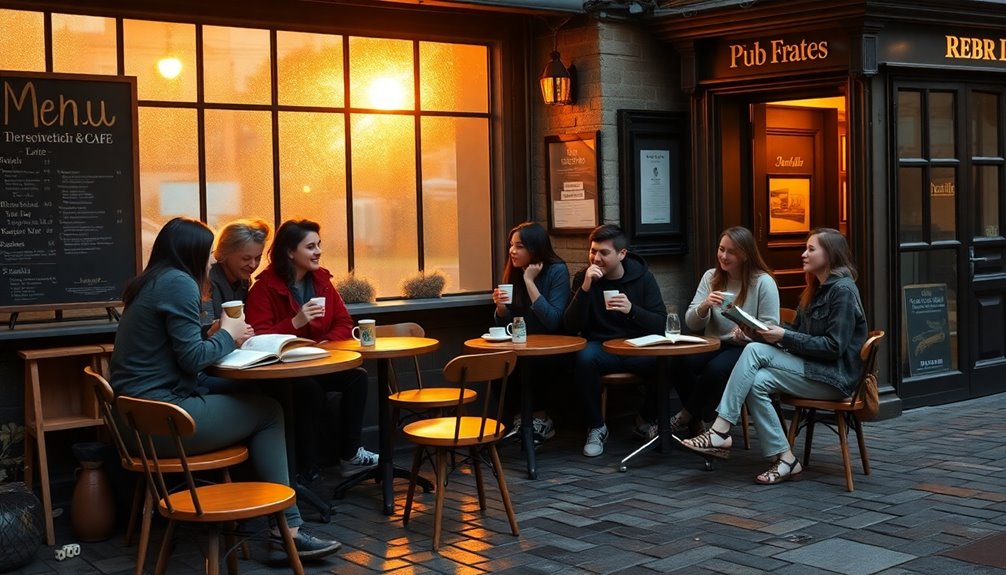
Turn a pub or café into your conversation classroom by treating it like a tiny, social lab: pick a spot with steady noise but not chaos, bring a simple goal for the session, and use the setting’s rhythms—ordering at the bar, overheard snippets, and casual small talk—as prompts to practice real, unscripted speech. You’ll flirt with spontaneity: start mini challenges like initiating a five-minute chat with a stranger, running a mock pub quizzes team to practice question-and-answer pacing, or hosting quick café debates on silly topics to sharpen rebuttals. Keep goals loose so you feel free to improvise, note new phrases, and repeat lines until they stick. Celebrate small wins with a toast and move on—no pressure, just progress.
Often you’ll get better listening gains from tiny, funny exercises than from long, dry drills: short, humorous clips force you to parse unexpected wording, tone, and timing without burning focus. You’ll treat listening like play, so you stay curious and free while sharpening comprehension. Pick bite-sized listening games and humorous podcasts that fit pockets of time; replay snippets, mimic rhythm, and note surprising phrasing. Keep it practical: aim for clarity, repetition, and replay with active goals.
Short, playful listening drills—tiny funny clips you replay, mimic, and decode—beat long, dry drills for real progress.
You’ll get more out of the city when you learn to read signs like locals, spotting abbreviations, directional cues, and cultural references. You’ll pick up slang by listening for repeated phrases and asking quick questions about meaning and tone. You’ll also learn to decode graffiti and street art as shorthand for local attitudes, neighborhoods, and inside jokes.
Signs are everywhere — shop fronts, murals, stickers, and graffiti — and learning to read them like a local gives you instant vocabulary, cultural cues, and shortcuts to understanding a neighborhood. You’ll get good at sign spotting and pick up local lingo without sitting in a classroom. Walk, scan, and let curiosity pull you toward phrases, icons, and fonts that tell stories about politics, food, and nightlife. Don’t fear informal or broken English — it’s a freedom map.
Reading signs will get you the basics, but to really speak the street you’ve got to learn slang and graffiti — they’re shorthand for attitudes, histories, and in-group jokes. You’ll want to trace slang origins to understand who’s speaking and why phrases carry power. Listen, ask, and map where words came from — migration, music, or rebellion — and you’ll decode loyalties and humor fast. For graffiti meanings, watch style, placement, and recurring symbols: tags mark turf, murals tell stories, stencils push ideas. Don’t catalog everything; prioritize phrases and images that show up often. Practice using safe curiosity, respect local codes, and carry the freedom to question official narratives. That way you’ll read the city without losing your edge.
When you’ve only got five or ten minutes between classes, focus on one quick grammar habit—like subject-verb agreement or comma placement—and practice it with a short example or two so the correction actually sticks. You want freedom to write fast but clearly, so pick tiny drills you can do while walking or waiting. Try grammar exercises that reinforce patterns, and punctuation practice to tidy your thoughts. Keep it playful, not preachy.
Got five minutes? Drill one tiny grammar habit—quick examples, playful practice, clearer faster writing.
Do this often and your voice will stay free and sharp.

If you only have pockets of time, build short, high-impact local immersion challenges into your day—five-minute street-interview prompts, a two-minute café menu scramble, or a quick translation sprint on a store sign. You’ll use time management to turn errands into practice: try spontaneous outings to local events or cultural festivals, scout pop up classes, or join language meetups between meetings. Pack travel tips for micro-adventures: note phrases, ask directions, swap stories with study buddies. Weekend workshops and community projects give richer dives when you can spare hours. Chance encounters and tiny rituals keep learning free and alive. Stay playful, choose one focused task, and let freedom guide your routine.
| Challenge | Duration |
|---|---|
| Street interviews | 5 min |
| Café menu scramble | 2 min |
| Mini translation | 10 min |
You’ll find apps that turn practice into a game with points, streaks, and challenges to keep you coming back. Pair those with spaced-repetition tools to lock in vocabulary and details without long study sessions. Add rhythm and sound trainers to sharpen timing and listening, and you’ve got a compact toolkit that makes practice irresistible.
Because practicing can feel like a grind, gamified apps turn repetition into short, rewarding challenges that keep you coming back. You get to reclaim study time by choosing playful, bite-sized goals that fit your schedule and mood. Gamified learning makes progress visible, so you’ll see streaks, levels, and badges that celebrate tiny wins. If you crave freedom, these apps let you set the pace, pick topics, and compete only when you want.
These tools turn language challenges into something you actually enjoy.
Gamified apps make practicing fun, but to keep gains long-term you need something that schedules reviews so memories stick — that’s where spaced-repetition tools come in. You want control over your time and steady progress; these apps respect that by prompting reviews when they matter, not when they clutter your day. Pick tools with simple decks, synced mobile access, and smart algorithms that optimize intervals so you spend minutes reinforcing weeks of work. That increases learning efficiency without chaining you to endless drills. Use images, short prompts, and tiny goals to keep sessions breezy. Set reminders, export data if you like, and let the algorithm handle timing — you get freedom and real retention, not just the thrill of streaks.
Rhythm and sound trainers turn practice from a chore into something you actually look forward to: they layer click tracks, interactive meters, and instant feedback so you hear and feel your mistakes right away. You’ll use rhythm exercises and sound practice that adapt to your pace, freeing you from rigid routines and letting curiosity lead. Pick apps that reward tiny wins, slow tricky passages, and record your progress so you can get back to joy, not guilt. They make practice playful and efficient, so you’ll stay honest with yourself without feeling trapped.
When you need to write fast and believable for real situations, short focused exercises sharpen instincts and build confidence. You’ll grab Creative prompts that yank you out of perfectionism — 5-minute scenes, awkward dialogues, urgent emails. Use Confidence boosters: timed sprints, tiny bets (send one draft), and celebrate imperfect send-offs. Try Story starters that force stakes: a missed train, a secret revealed, a last-minute pitch. Mix Expressive exercises like voice swaps, outrageously honest confessions, or constraint games (no adjectives) to free your style. These drills make your words practical and bold, so you’ll move from hesitation to action. Do them daily, keep results messy, and enjoy the freedom of saying what matters.

You can get fast, low-pressure input by using quick check-ins that ask one simple question. Watch for micro reactions—tiny facial or body cues that tell you how your idea landed. Try silent signal tools (thumbs, cards, or apps) to gather feedback without interrupting the flow.
Anyone can learn to ask for quick feedback without it feeling awkward — it’s mostly about making it tiny, specific, and easy to say yes to. You want freedom to experiment, so make check-ins brief and low-stakes. Use familiar settings like study buddies or language cafés to normalize quick asks. Frame requests so the other person can respond in one sentence or a thumbs-up.
These moves keep feedback fast, friendly, and liberating.
Quick check-ins set the stage for micro reactions — tiny, immediate cues that let you gauge understanding or buy-in without a formal ask. You watch for micro expressions and subtle emotional cues: a raised eyebrow, a softened jaw, a brief smile. They tell you when to pivot, speed up, or pause. You’ll practice scanning faces and posture without staring, treating feedback as data, not judgment. Keep prompts light: “Thoughts?” or “Too much?” then note the blink, grin, or frown. Use them to stay fluid, not controlling — freedom means adapting, not policing. Over time you’ll read the room faster, make fewer assumptions, and keep conversations alive and comfortable.
Silent signals are small, planned cues you can use to get instant feedback without putting anyone on the spot. You’ll use simple silent gestures and cue signals to check understanding, permission, or mood while keeping energy light and free. These tools help you stay connected without interrupting flow.
Practice these with your group so they become natural. You’ll keep momentum, respect autonomy, and get honest, immediate feedback without awkwardness.
Small, consistent actions keep momentum alive even when cash is tight; you can stretch limited resources by prioritizing high-impact tasks, swapping paid tools for free alternatives, and leaning on barters or volunteer help. You’ll want simple budget tips: list essentials, cut subscriptions you don’t use, and funnel saved time into growth. Focus on cost effective activities that build skills or community—free workshops, library resources, or skill swaps with other rebels. Use lightweight trackers you already have, like a notebook or free app, to measure wins and adjust plans. When you trade skills, you keep autonomy and avoid debt. Stay nimble: pick experiments with low downside, iterate fast, and celebrate small wins so momentum and freedom keep growing.
When you break a bigger goal into daily micro-goals, you’ll turn vague intentions into concrete habits that actually get done; thirty focused days gives you enough time to build momentum without feeling overwhelmed. You’ll design a 30 day challenge that respects your need for freedom: choose small actions you can do anywhere, set weekly themes, and track daily milestones to measure real progress. Keep it flexible so it serves you, not cages you.
Yes — you can study Rebel City English remotely before arriving; you’ll find online resources and language apps to learn vocabulary, practice speaking, and stay flexible, so you can arrive ready, independent, and excited to explore.
Yes — you’ll find evening options: classes after sunset, workshops under lamplight, seminars on weeknights. You’ll keep your work life balance, choose your hours, protect your freedom, and study without giving up your nights.
No, accommodation isn’t automatically included; you’ll find optional accommodation options bundled into some program packages so you can choose freedom — pick housing-included packages or arrange your own place to keep independence and flexibility.
Yes — you’ll find certification options and exam preparation support tailored to independent learners; they’ll offer prep workshops, practice exams, and mentor guidance so you can study freely, pace yourself, and earn recognized certifications confidently.
Yes — you’ll get cultural tours tailored for language learners, where cultural immersion meets language workshops; you’ll wander alleys that hum like conversations, practice phrases with locals, and feel free to explore, mistake, laugh, and grow.
You’re at the market in Rebel City, basket swinging, picking bright words like apples. Some are crunchy and useful now; some take time to sweeten. You barter with a stranger, laugh over a grammar slip, sip a café sentence until it warms. Keep filling your basket each day—small trades, short chats, honest mistakes—and you’ll leave with a feast of English that nourishes a bolder, livelier you.
Promote our products—get paid for every sale you generate!
Start earning on autopilot—become our affiliate partner!
Earn passive income this month—become an affiliate partner and get paid!