
Ireland’s Summer Camps: Craic for Kids & Parents
Study English In Ireland
February 9, 2026

You’ll find budget-friendly, flexible summer camps across Dublin, Cork and Galway that suit student schedules and busy parents. Look for week-by-week sign-up, clear cancellation rules, and camps near public transport or bike routes to simplify drop-offs. Check staff qualifications, child-to-staff ratios and on-site first aid. Consider whole-house or apartment rentals for family stays and swap babysitting with other parents to save. Keep going to see practical tips for costs, transport and safety.
Looking for summer camps close to your student accommodation? You’ll want options that fit your schedule and let your kid explore without being tied down. Check university noticeboards, community centers, and social feeds for quick camp registration links and early-bird slots. Pick programs near transport and local amenities so drop-offs are simple and you can reclaim your day. Look for flexible hours, week-by-week sign-up, and clear cancellation policies — freedom means choices that don’t lock you in. Ask fellow students for real feedback and scout a single visit before committing. Keep paperwork digital where possible and confirm ratios, activity variety, and staff qualifications. With smart prep, you’ll secure a camp that respects your independence and your child’s curiosity.
Comparing camp costs across Dublin, Cork and Galway helps you budget smarter — prices can vary a lot depending on city, program length and included extras. You want freedom to choose activities without breaking the bank, so focus on camp pricing and clear city comparisons: day camps in Dublin often cost more, Cork offers mid-range options, Galway can be budget-friendly but fills up fast. Look at week vs. full-summer rates, discounts for siblings, and whether meals or trips are included. Below is a quick snapshot to help you decide.
| City | Typical Week Rate | Extras Included |
|---|---|---|
| Dublin | €200–€350 | Meals sometimes |
| Cork | €150–€280 | Some trips |
| Galway | €120–€240 | Local activities |
When planning camps, think first about how your family will get kids to and from venues—short walks, public transport links, and car drop-offs each change daily routines. You’ll want clear walking routes from rentals to gates, easy transport options like buses or Luas stops, and flexible timing so kids aren’t rushed. Pick rentals near reliable links if you value freedom to move without driving every day.
Plan with independence in mind, balancing convenience and flexibility for your summer rhythm.
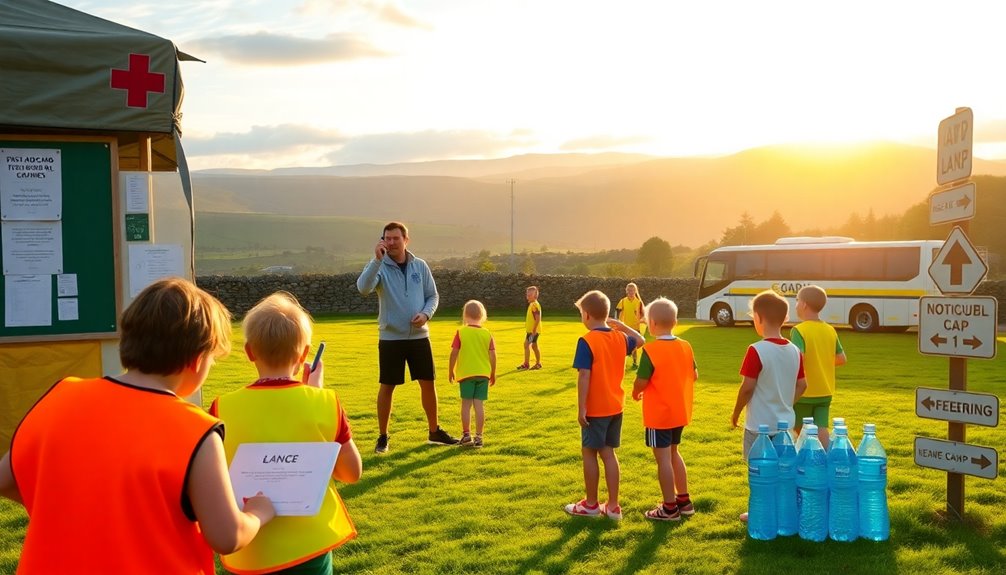
When you’re choosing a nearby camp, check staff training and child-to-staff ratios so you know who’s responsible for your child. Find out what on-site medical provisions they have, such as first-aid trained staff, AEDs, and arrangements for allergies or injuries. Make sure their emergency contact procedures are clear and ask how they’ll notify you and local services if something happens.
Staff at quality summer camps are trained, checked, and sized to keep your child safe and engaged. You’ll want to know staff qualifications and training programs are up-to-date, with background checks, child protection, and activity-specific certifications. Ratios are clear so kids get freedom to explore while being supervised: smaller groups for risky activities, more leaders for mixed-age groups. You can ask for emergency contact procedures and how staff communicate with you during the day.
Because accidents and illnesses can happen even during the most routine activities, you’ll want clear info on a camp’s on-site medical provisions: who’s qualified, what supplies and meds are kept, how care is given during camp hours, and how emergencies are handled with nearby clinics or hospitals. You’ll check that camp health plans are written, that medical staff hold current first-aid and paediatric certifications, and that meds are locked and logged. Freedom-loving parents want transparent protocols — who administers meds, where a sick child rests, and how transport to local A&E is arranged. Use the table below to compare typical on-site features.
| Role | Equipment | Response Time |
|---|---|---|
| Nurse/First Aider | First-aid kit, epi-pen | Immediate |
| Staff lead | Medication log | Under 15 mins |
| Clinic link | Ambulance access | As needed |
Anyone responsible for your child should know exactly who to call and how fast help will arrive. You’ll want clear emergency protocols that match your camp’s vibe — efficient, calm, and respectful of your freedom to explore. Ask for written contact information, local emergency services details, and the camp’s step-by-step response plan. Make sure multiple staffers can be reached and that you can get updates without waiting.
Confirm phone numbers, test alerts, and keep copies with you so decisions can be quick and confident.
If you’re coming for camp season, short-term rentals give you flexibility, privacy and often better value than nightly hotel stays. You can pick family friendly accommodations with kitchens, outdoor space and flexible check-ins so you control routines. Look for budget friendly rentals near camp hubs to cut commute time and keep mornings calm. Consider whole-house options if you want space to breathe, or a compact apartment if you’re focused on saving. Read reviews, confirm child-safety features, and message hosts about crib or stroller availability. Book early for popular weeks, but choose refundable policies when plans shift. Your stay should feel like freedom: move on your schedule, relax between activities, and make the trip yours.
| Type | Best for |
|---|---|
| Whole house | Families needing space |
| Apartment | Couples/small families |
| Cottage | Quiet rural stays |
| Guestroom | Tight budgets |
| Converted loft | Short urban stays |
You’ll need to set clear scheduling priorities so study, part-time work, and childcare don’t clash. Budget your time and money by blocking study hours, choosing shifts that match camp hours, and tracking childcare costs. With a simple plan you’ll keep stress low and make the summer productive for everyone.
When you’re juggling study goals, part-time work, and childcare over the summer, clear priorities make the difference between manageable weeks and constant stress. You’ll want scheduling flexibility to protect study blocks, respect camp preferences for your kids, and keep work hours predictable so you can breathe. Decide what’s non-negotiable — exams, key shifts, pickup times — then build around them. Communicate boundaries with employers and camp organisers so your freedom stays intact.
Stick to priorities and you’ll reclaim summer balance.
Balancing study blocks, part-time shifts, and childcare also means balancing your time and money — both are scarce over the summer, so you need a plan that stretches each hour and euro. Prioritise what frees you: block study when kids nap or are at camp, and schedule shifts that don’t eat your best focus. Use time management tools — calendars, alarms, and a weekly rundown — to avoid overlap and stress. For cash, hunt simple cost saving tips: swap babysitting with other parents, pack lunches, and sign up early for discounted camps. Track earnings and outgoings so you know when to say yes to extra shifts or yes to rest. Small systems buy you more freedom.
Because community centres and university facilities often have underused spaces in summer, you can tap them to run affordable, well-equipped camps without the overhead of private venues. You’ll benefit from community collaboration and smart facility utilization — cheaper rents, ready-made classrooms, sports halls, and tech labs. Reach out to local councils and student unions, outline clear schedules, and offer flexible programs that let kids explore while you keep costs low. Sharing resources gives you freedom to design creative, low-stress weeks.
This approach keeps camps accessible, nimble, and community-rooted.
Yes — many camps are inclusive, but you’ll need to check accessibility features and staff training details; you’ll want the freedom to choose programs that accommodate specific needs, request adaptations, and confirm individual support before booking.
Yes — many camps offer meal options for vegetarian, halal, and allergy-friendly needs; you’ll need to confirm specific dietary restrictions ahead, but camps usually accommodate freedom of choice and will work with you to guarantee safe meals.
Yes — many camps offer sibling discounts, cutting camp pricing like a breeze through tall grass; you’ll feel freer knowing fees ease with each child, so be sure to ask organizers about combined rates and family-friendly offers.
Yes — many camps offer evening options and flexible schedules, so you can tailor drop-off/pick-up to your lifestyle. You’ll get freedom to choose sessions, add-ons, or extended care that fit your family’s routine and needs.
About 60% of camps do offer trial day options, so you can test the vibe; many clearly state cancellation policies with partial refunds or credit, letting you keep freedom and flexibility without feeling locked into commitments.
So you’ve mastered the miracle of finding a camp two tram stops from your flat, budgeting like a finance bro, and scheduling study around finger-painting. Shocking, right? You’ll survive the chaos, the lost socks, and the emergency snack runs — and maybe even enjoy it. Ironically, this summer’s logistical circus might be the only thing that actually brings everyone together. Embrace the craic, keep the numbers handy, and don’t forget sunscreen.
Drive sales, collect commissions—join our affiliate team!