Comparing Options: What to Pack When Studying English Abroad in Ireland Explained
Study English In Ireland
February 5, 2026

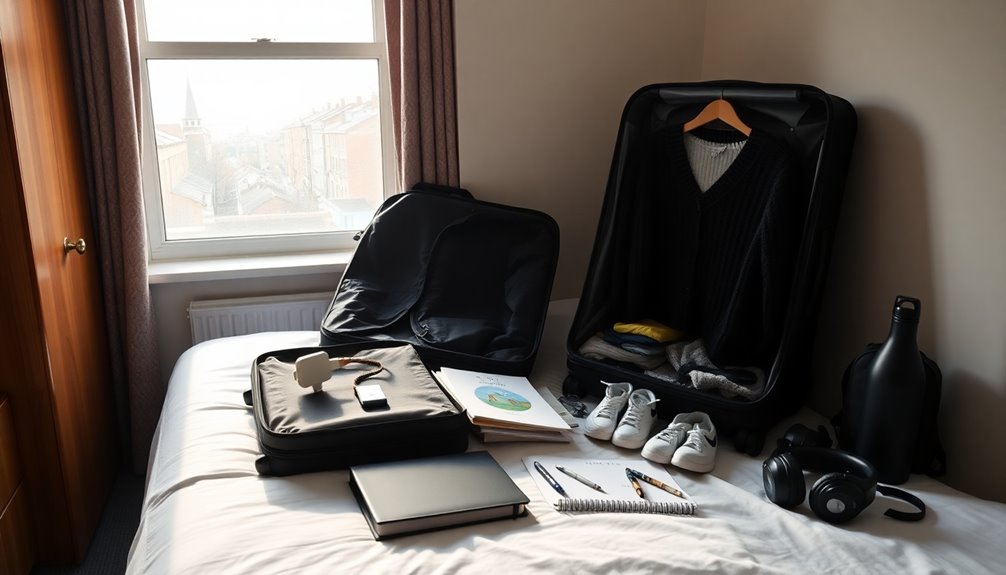
You’ll want layers for Ireland’s changeable weather: T‑shirts, long sleeves, a warm sweater and a waterproof jacket, plus quick‑dry fabrics and comfy walking shoes. Bring passport, visa, acceptance letter, photocopies, and an internationally working debit/credit card. Pack a UK/Type G adapter, chargers, a portable power bank and a small study notebook. Include toiletries, essential meds with prescriptions, a travel umbrella and a compact daypack. Keep a few home comforts for comfort—keep going to see packing timelines and smart space-saving tips.
Because Ireland’s weather can shift from sun to rain within an hour, pack layers you can easily add or remove: lightweight T-shirts, long-sleeve shirts, a warm sweater, and a waterproof jacket. You’ll want breathable clothing materials like merino, cotton blends, and quick-dry synthetics so you stay comfortable whether you’re exploring cities or heading to class. Think versatile pieces you can mix and match to maximize outfit options while carrying less. Don’t overload on heavy coats — pick one dependable waterproof and a compact insulated layer for colder days. Pack a compact umbrella, comfortable walking shoes with good grip, and a beanie or cap. These weather considerations and smart clothing materials choices let you move freely and adapt to whatever Ireland throws at you.
You’ll want your passport and any visa paperwork readily accessible and backed up with digital copies. Bring original academic documents like acceptance letters, transcripts, and proof of language course enrollment, plus photocopies stored separately. Keep everything in a secure folder so you can produce documents quickly for registration or immigration.
Wondering what documents you can’t leave home without? Your passport is essential — check passport requirements early so you’ve got at least six months’ validity and blank pages for entry stamps. If you’re not an EU/EEA citizen, start the visa application as soon as you’ve confirmed your course and accommodation; timelines vary and delays can clip your freedom. Carry photocopies and digital scans of your passport photo page and visa grant letter, and store them separately from originals. Keep arrival details and emergency contact info with these copies. You’ll want accessible proof at airports and on arrival, but don’t overpack paperwork. Minimal, organized documents let you travel light and keep choices open while studying in Ireland.
After you’ve sorted passport and visa items, make sure your academic paperwork is equally organised — it’ll save time at registration and when opening bank or rental accounts. Bring original and scanned copies of acceptance letters, degree certificates and transcripts, plus any language test scores. Carry printed course syllabi for classes you’ve enrolled in; they’ll help when discussing credit transfer or timetable clashes. Have emergency contact details, student ID forms and any scholarship documents accessible. Store everything in a slim, labelled folder and back up digital copies on secure cloud storage so you can access them anywhere. Keeping these documents tidy gives you freedom to explore Ireland without administrative hassles, letting you focus on learning and living fully.
You’ll need a Type G plug adapter for most Irish sockets, so pack one or a multi-region adapter. Check that your devices support 230V or bring a voltage converter for anything that doesn’t, and protect sensitive electronics with surge protectors if you can. Bring compact travel chargers and extra cables for phones, laptops, and power banks so you won’t be hunting for replacements in the city.
Because Ireland uses the British three-pin plug (Type G) and 230V at 50Hz, you’ll need either devices with compatible plugs or a reliable adapter to power your chargers, laptop, and hair tools without frying them. Check power plug types before you go so you’re not scrambling at arrival. A compact Type G adapter covers most needs, but if you’re carrying multiple gadgets pick a multi-port adapter or a small power strip (ensure it’s rated for Type G). Confirm adapter compatibility with grounded devices and high-draw items like hair dryers — some adapters don’t handle heat-heavy appliances. Keep adapters and a travel surge protector in your bag; they give you the freedom to plug in anywhere, study comfortably, and explore without electrical worries.
Ireland runs on 230V at 50Hz, so check each device for “100–240V” or “230V” labeling before you plug in to avoid frying chargers or appliances. You’ll want to travel light and still keep your gear safe: confirm device compatibility for laptops, hair tools, and any small kitchen appliances before you leave. If something isn’t dual-voltage, plan to leave it at home or buy a local replacement. Stick to chargers and power strips that meet Irish and EU safety standards—look for CE marking and trusted brand certifications. Use surge protection where you can and inspect cords for wear. Being prepared means more freedom to explore without worrying about damaged electronics or unsafe setups.
When you’re living in an Irish city, a compact set of reliable chargers and cables will save you both space and stress. Pick a multiport USB-C travel charging hub that handles your laptop, phone, and earbuds so you’re not hunting sockets in cafes. Bring a couple of short charging cables and one longer cable for hostel beds, plus a universal plug adapter for Ireland’s Type G outlets. Invest in braided cables and a small cable organizer pouch to avoid tangles and lost leads while you explore. Prioritize fast-charging standards your devices support and a lightweight power bank for day trips. With intentional gear and smart cable organization, you’ll move freely without battery anxieties.
If you’ll be studying in Ireland, pack layers you can mix and match so you’re ready for sudden rain, wind, or sunshine. You’ll want versatile pieces that follow casual styles and adapt to seasonal trends: thin merino sweaters, a waterproof shell, lightweight hoodie, and breathable tees. Choose neutral colors so outfits pair easily, letting you travel light and express personal freedom without fuss. For bottoms, bring one pair of jeans, a pair of chinos, and a comfortable skirt or shorts for warmer days. Footwear should include waterproof sneakers, a pair of casual leather shoes, and compact foldable flats or sandals. Don’t forget quick-dry socks and a compact umbrella — practical choices that keep your day flexible.
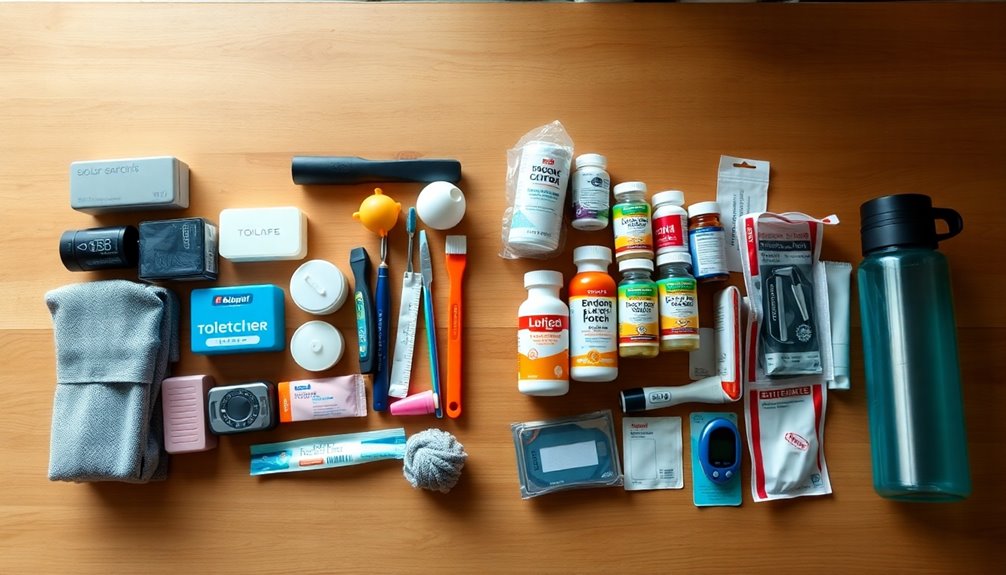
Because access to specific brands or formulations can be hit-or-miss, you’ll want to bring a small, well-organized kit of your daily toiletries, essential medications, and basic first-aid items. Include travel-sized shampoo, conditioner, soap, toothbrush, toothpaste, deodorant, razor, and any specialty personal hygiene products you rely on. Pack prescription meds in original containers with copies of prescriptions and a note from your doctor; bring a modest supply plus info for refills. Add pain relievers, antihistamines, antiseptic wipes, bandages, blister plasters, and rehydration salts. Check your health insurance coverage abroad and register with your insurer if needed. Keep everything in a waterproof pouch and separate urgent meds in your carry-on so you can stay flexible and worry-free while exploring.
As you get ready to study English in Ireland, pack a compact set of academic materials and digital tools that match your course level and learning style. Bring a lightweight notebook, a reliable pen, and a slim grammar/reference book you actually enjoy using. Load your tablet or phone with offline language learning resources, bilingual dictionary apps, and a flashcard app for quick review. Include a portable charger and noise-cancelling earbuds for focused practice. Print a few key handouts or syllabus pages, but keep paper minimal so you can move freely. Prepare prompts and role-play notes for conversational practice and organize materials for study group activities. Aim for flexibility: tools that support independence, collaboration, and spontaneous language adventures.
Once your study kit is set, think about the small, practical items that’ll make your dorm or rented room comfortable and study-friendly. Bring a lightweight duvet cover and pillowcase that suit local bedding sizes, a compact lamp with adjustable brightness, and a power strip with surge protection—these housing essentials keep your space functional. A small drying rack, quick-dry towels, and a collapsible laundry bag help you stay independent. Add a sturdy door hook or over-the-door organizer for shoes and toiletries, plus a reusable water bottle and insulated mug for walks between classes. A roll of command strips, a foldable desk organizer, and a travel-sized first-aid kit make living simple and flexible in any dorm room.
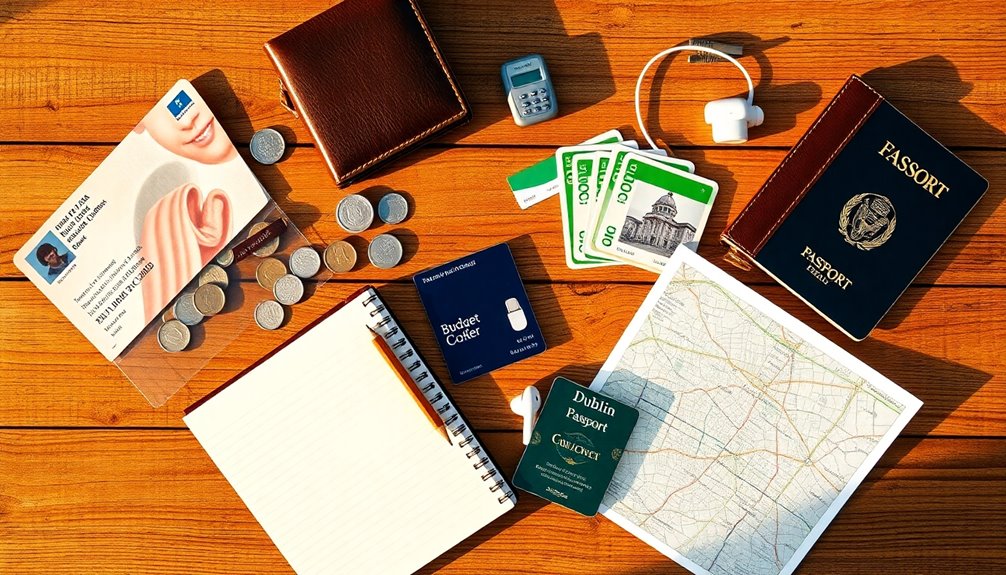
If you want to avoid money stress while studying in Ireland, get your payment setup sorted before you go: bring a debit card that works internationally, notify your bank about travel dates, and have a credit card for emergencies. You’ll want a simple budget plan to stay independent—track weekly spending, set limits for food and nights out, and use budgeting tips like envelope or app methods. Carry a small amount of euros for immediate needs, but avoid changing large sums at airports; compare currency exchange rates and fees beforehand. Consider a no-foreign-transaction-fee card, and keep photocopies of cards and passport separate from originals. That way you’ll enjoy freedom without money hassles and handle surprises calmly.
When you head out for weekend trips, pack layers so you’re ready for Ireland’s changing weather. Bring comfortable walking shoes for cobbled streets and coastal trails. A compact daypack with a water bottle, rain jacket, and charger will keep essentials handy.
Because Ireland’s weather can change from sunshine to drizzle in an hour, pack layers you can add or remove easily: a lightweight waterproof shell, a warm midlayer (fleece or thin down), moisture-wicking base layers, and a versatile scarf or buff for wind and chill. You’ll want simple layering strategies that let you move freely and adapt plans without fuss. Choose pieces that compress into your daypack, mix colors for versatility, and rely on fabrics that dry fast. Prioritize weather adaptability over fashion trends so you’re ready for sudden rain, cool coastal breezes, or sunlit hikes. With compact, multifunctional layers, you keep options open, travel lighter, and stay comfortable while you explore on your own terms.
Layering keeps your body comfortable, but it’s your feet that’ll make or break weekend walks—so bring shoes built for long miles on mixed surfaces. Choose versatile trainers or light hiking shoes with grippy soles and weather-resistant uppers so you can roam cliffs, cobblestones, and city streets without fuss. You’ll want breathable, quick-dry liners and a bit of ankle support for rough paths. Consider sustainable footwear options if you care about impact; many brands now balance comfort and ethics. Don’t overlook trying shoes in local shoe stores on arrival—fit varies by brand and you’ll get a feel for soles and sizing. Pack one well-broken-in pair and perhaps a casual pair for nights out; comfort keeps you free to explore.
If you’re planning day trips around cities, coastal walks, or castle-hopping, a compact daypack is essential—light enough to carry all day but roomy for the extras you’ll pick up on the way. Choose a slim, weatherproof pack with padded straps so you can move freely without strain. For efficient daypack organization, use small pouches: one for snacks and a refillable bottle, one for a lightweight rain jacket and hat, and a zippered pocket for your passport, cards, and phone. Essential gear should include a portable charger, compact first-aid kit, map or offline travel app, and a reusable shopping bag. Pack only what lets you explore comfortably and spontaneously—freedom comes from traveling light and smart.
Want to bring a little of home with you? You should—small cultural souvenirs and a few comfort items can keep you grounded while you explore Ireland. They remind you who you are without weighing you down, and they give you freedom to share stories and start conversations.
Choose items that travel light and amplify your sense of independence.
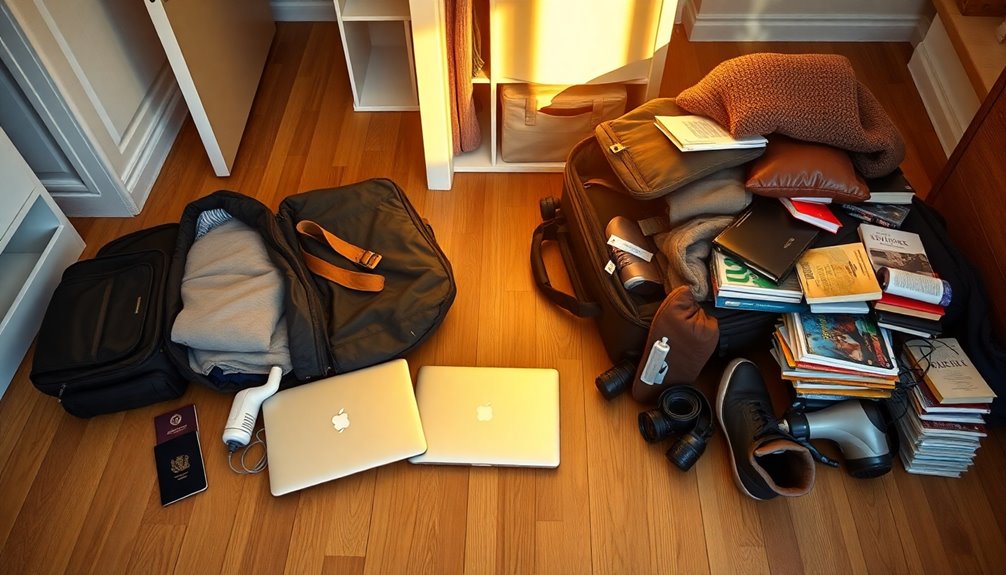
Those small comforts from home are perfect for emotional support, but they shouldn’t crowd your suitcase — you’re going to need smart choices and strict priorities when deciding what comes with you. You want freedom to move, explore, and buy local, so practice minimalist packing: pick versatile layers, limit shoes, and pack travel-size versions of toiletries. Keep a small pouch for extra essentials like prescriptions, chargers, and a compact umbrella. Think storage: roll clothes, use packing cubes, and plan to store seasonal items once you arrive.
| Carry-on musts | Checked bag picks |
|---|---|
| Documents | Bulky coats |
| Electronics | Extra shoes |
| Toiletries | Specialty gear |
| One outfit | Home comforts |
Before you leave, go through a concise checklist and timeline so nothing critical gets missed: Plan backwards from your arrival date — visas, accommodation, and travel bookings first, then your packing checklist and essential items. Two weeks out, confirm documents, pre-order SIM or bank setup, and lay out what you’ll actually wear. Three days out, weigh luggage, charge devices, and pack a carry-on with documents and basics. On the day, keep copies of paperwork and a flexible attitude.
Follow this timeline and you’ll land calm and ready.
Yes — you can bring Irish-specific power banks and plug-in kettles, but you’ll check power bank compatibility with airlines and outlet voltage; you’ll follow kettle regulations at accommodations and respect safety rules so you’re free to enjoy.
Dress casually but smart; you’ll pack versatile pub attire—clean jeans, a tidy shirt, comfy shoes—and respect cultural norms like polite conversation, queuing, and modest behavior, so you’ll feel free while fitting in comfortably.
Yes — you’ll face restrictions: Ireland enforces snack regulations and food customs, so don’t bring meats, dairy, or fresh produce; declare permitted packaged items, and you’ll avoid fines while enjoying your freedom to explore local flavors.
Like a safety net, you should get travel insurance for weekend trips in Ireland — you’ll want freedom from worry if plans change, medical issues pop up, or gear’s lost, even on short, spontaneous jaunts.
Yes — you can ship extra luggage to Ireland after arrival; you’ll find extra luggage options like courier pickup or postal forwarding, but check shipping costs, customs rules, and delivery times so you can stay flexible and free.