Nightlife-Study Balance in Ireland: Latest Insights
Study English In Ireland
December 10, 2025

You can keep a lively social life in Irish student cities without harming grades by planning nights out around lectures, prioritising sleep, and using campus resources like extended libraries and counselling. Budget for taxis and nights out, travel with friends, and choose study-friendly cafés or quiet campus zones when you need focus. Use a weekly planner to block study, social, and rest time. Keep routines consistent and you’ll find practical strategies and local tips ahead.
Although Cork is smaller than Dublin, you’ll find a compact, student-friendly city where campus life, affordable housing pockets, and a lively pubs-and-venue scene coexist within walking distance. You can balance study and social life by choosing neighborhoods near UCC or MTU, reducing commute time and rent. Local data show diverse Cork cuisine options supporting budgets and late meals; markets and modest eateries are common. Nightlife etiquette favors queueing, polite staff interactions, and leaving study spaces tidy after late sessions. Plan schedules around peak venue hours, prioritize sleep, and use shared transport to preserve freedom and academic performance.
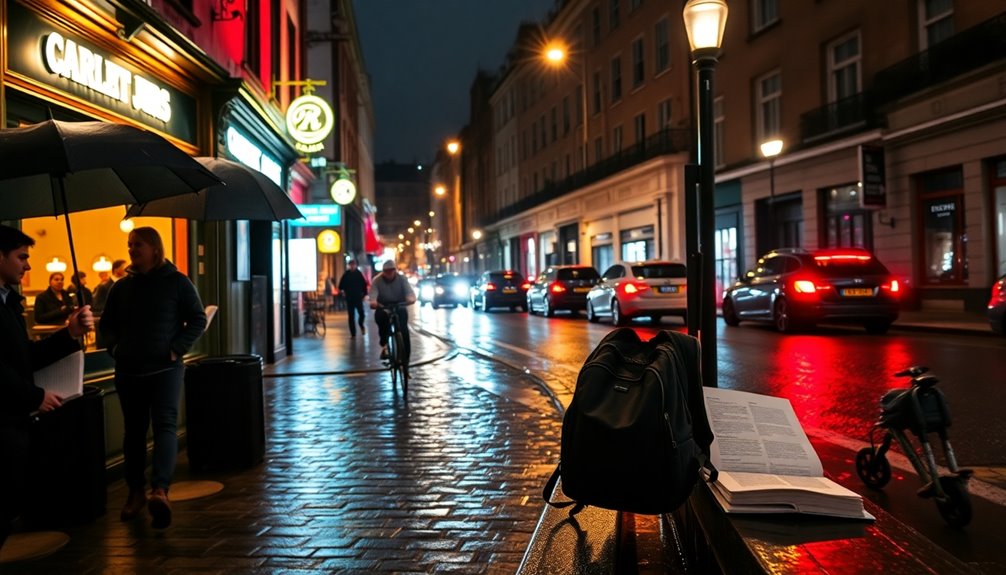
In Dublin you’ll need to plan club nights around morning lectures, since transit and opening hours can affect sleep and punctuality. Choose cafés and libraries that stay open late or offer quiet study space so you can switch between socialising and work without losing productivity. Follow basic safety practices at night—use well-lit routes, share your location with friends, and check public transport or taxi options in advance.
Between lectures and late-night venues you’ll need clear timing rules to keep both attendance and social life sustainable: Dublin’s student surveys show peak club entry between 11:30pm–1:00am, while typical first-year lectures start around 9:00am, creating a measurable clash for sleep and punctuality. You can protect study outcomes by aligning class schedules with nightlife preferences where possible: choose later tutorials, stagger commitments, and limit club nights before heavy academic days. Use objective metrics — attendance rates, sleep duration, grade variance — to guide choices. You’ll keep freedom to socialise without sacrificing academic reliability through data-informed timing.
Because late nights and early lectures both shape your week, picking study-friendly venues in Dublin matters for maintaining performance: quiet cafés with reliable Wi‑Fi, university libraries with extended hours, and co‑working spaces near transport hubs show higher average study durations and better next‑day punctuality in student surveys. You’ll want study cafes that balance ambient noise and seating ergonomics; check plug availability and connection speed. Library lounges often offer reserved desks and silence zones that improve focus and time-on-task. Choose venues that let you leave when you need to; flexible hours and clear booking data let you plan nights out without sacrificing study quality.
Picking late-night spots that support study plans is only part of the picture; you also need clear safety habits for Dublin after dark so you can get home and back to lectures reliably. Prioritise nighttime awareness: plan routes, check transport timetables, and share ETA with a friend. Limit distractions that reduce vigilance, like excessive alcohol or headphones in isolated areas. Use well-lit streets, official taxis or validated ride apps, and campus escort services when available. Keep valuables concealed and emergency numbers saved. These practices balance freedom with personal safety, letting you pursue nightlife without compromising study commitments or wellbeing.
While Galway’s compact layout makes it easy to hop from lecture halls to late-night venues, you’ll find a clear separation between social hubs and dedicated study spaces: pubs and clubs concentrate around Quay Street and College Road, offering live music and society events that peak on weekends, whereas the James Hardiman Library, campus learning commons, and several 24-hour cafés provide quiet study options and group-work rooms during term time. You’ll balance pub culture with study routines by scheduling around academic pressures, using nightlife etiquette, joining student organizations and local festivals for planned breaks, and leveraging peer connections for event planning and focused study.
In Limerick you’ll find a range of affordable student accommodation types — from purpose-built student housing to shared privately rented flats — with average rents lower than in Dublin, according to recent rental reports. You’ll also have access to evening events like live music at local pubs, student nights, and cultural happenings at venues such as the Lime Tree Theatre. Consider comparing cost per bed, proximity to campus, and regular event listings to balance budget and social life effectively.
Looking for affordable student housing in Limerick means balancing cost, proximity to campus, and access to evening transport and activities. You’ll explore budget friendly housing options like university-managed halls, private shared flats, and purpose-built student accommodation; each has predictable costs and differing commute times. Check local rental rates, deposit rules, and landlord credentials. Draft clear roommate agreements covering bills, chores, noise and guest policies to protect your study time and social freedom. Use verified listings, student unions, and word-of-mouth to reduce risk. Prioritise contracts with transparent terms so you can focus on studies and flexible evening plans.
Where can you unwind after classes without blowing your student budget? You’ll find affordable evening options in Limerick: pubs offering live music with no-cover nights, late cafes for group study, and community centres hosting low-cost workshops. Council-run events and university societies publish weekly listings, so you can plan free or cheap outings. Seasonal food festivals and pop-up markets provide social variety without major expense. Transport links and late buses extend your options while safety measures and crowd data help you choose quieter times. Use local apps and noticeboards to stay informed and preserve both social life and study routines.
Although Waterford’s student scene has a lively evening social calendar, the city and campus offer clearly signposted safe-night options and study-focused spaces that help you balance nightlife with academics. You’ll find waterford nightlife mapped with designated taxi ranks, late buses, and campus security escorts, so you can move freely and reduce risk. Libraries on campus provide extended hours during exam periods, quiet study zones, and reservable group rooms, forming core study resources. Data from local services show predictable late-night coverage and library usage patterns, letting you plan social time without compromising study continuity or personal autonomy.
If you want to keep nights out in Belfast from sabotaging your study routine, plan around predictable patterns: many popular student venues peak on Thursdays and weekends while campus libraries and study hubs extend hours midweek and before exams, so schedule intensive work sessions for those quieter periods. You’ll boost consistency by setting firm study blocks, using focused techniques (Pomodoro, active recall) and logging commitments so social plans don’t displace priorities. Acknowledge nightlife challenges openly, allocate recovery time, and use peer accountability to protect study windows. That evidence-based, pragmatic approach preserves freedom while sustaining productivity and academic progress.
How will you get home safely and affordably after a night out in Ireland? You’ll evaluate transport options—public buses, late trains, taxis, and rideshares—checking schedules and fares in advance. Apply safety measures: stick to lit routes, travel with friends, share ETA, and use licensed services. For nighttime budgeting, track typical costs per trip and set limits before you go; factor in occasional taxi surges. Seek student discounts on transit cards and app promos to reduce expenses. Evidence shows planning lowers risk and overspend, so combine cost-aware choices with proven safety practices to keep freedom without compromise.
When you’re juggling classes, exams and a social life, maintaining consistent sleep and study routines is one of the strongest predictors of mental wellbeing: research links regular sleep to better concentration, mood regulation and resilience to stress. You’ll benefit from scheduled study breaks to prevent cognitive fatigue, and from prioritising sleep duration and timing to stabilise mood. Social activity supports wellbeing but shouldn’t chronically curtail rest. Evidence supports brief mindfulness practices for anxiety reduction and improved focus; integrate them between study blocks or before sleep. Monitor patterns objectively — adjust nightlife choices to preserve restorative sleep and study consistency.
Because your time and money are finite, adopting simple systems for scheduling, budgeting and using campus supports will reduce stress and protect study and sleep routines. You’ll set clear time allocation blocks: classes, focused study, social hours, and sleep. Use a weekly planner and analyse one week’s actual use to adjust priorities. For financial planning, track recurring costs, set a nightlife allowance, and use student discounts and meal plans to lower expenses. Visit campus supports—academic advisers, counselling, and student unions—for structured help and vetted social options. Small, evidence-based systems increase autonomy and sustain both freedom and performance.
Yes — you’ll often find student nightlife discounts across Ireland, though availability varies by city and venue. Discount eligibility typically requires a valid student ID or student card; some clubs, pubs, and event promoters offer reduced entry, drink deals, or early-bird tickets. Evidence suggests larger university towns show more offers, while independent venues differ. Check venue websites, student unions, and social media for up-to-date, credential-verified promotions before you go.
Use campus boards, use university apps: you’ll join quiet study groups by checking study group locations, attending student networking events, and tapping academic societies. Search library reservation systems, book small-group study rooms, and post in course forums to recruit focused peers. Try meetup apps and international student offices for vetted groups. You’ll prefer consistent schedules, shared goals, and low-distraction rules. You’ll measure effectiveness by retention, grades, and time-on-task.
You should use apps like Splitwise, Mint, and YNAB for expense tracking and nightlife budgeting. Splitwise makes shared tabs simple; Mint shows overall spending trends and alerts; YNAB drives budgeting decisions with rules-based allocations. Combine one of these with a simple receipt app (Evernote or Google Keep) for quick capture. They’re evidence-based tools that give you freedom by automating tracking, highlighting overspend, and supporting intentional nightlife choices.
Yes — you can coordinate part-time shifts with late-night classes. Imagine juggling like a ship’s captain; you’ll need shift flexibility and smart class scheduling to avoid clashes. Research employers offering rotating or split shifts, propose start times around your timetable, and use documented class schedules to negotiate. Evidence shows predictable schedules reduce conflict and stress. You’ll gain freedom by prioritizing consistent study blocks, communicating clearly, and tracking hours to protect your academic goals.
Yes — many universities do provide emergency overnight accommodation or can direct you to emergency shelter options off-campus. They’ll usually have overnight safety measures like staffed security, check-in logs, and escorted transport. Contact student services or campus security immediately; they’ll assess need, arrange temporary housing, and connect you with local shelters or crisis teams. Keep ID, emergency contacts, and any medical info ready to speed assistance and guarantee your safety.
You’ll need to balance nights out with nights in, prioritize sleep as much as study, use campus resources as much as social networks, budget for taxis as much as pints, and choose safe routes as much as late‑night venues. Evidence shows routine protects grades and wellbeing, so set limits, track time, seek help early, and revise plans when needed. You can enjoy nightlife and secure academic success—if you plan, monitor, and act consistently.