
Why Choose Short-Term Student Rentals for Language Courses?
Study English In Ireland
January 6, 2026

You’ll learn faster and live easier when you pick a short-term student rental near your language school. It saves commute time and stress, so you can focus on classes and practice with locals. Being close boosts immersion, lets you join study groups and cultural events, and gives you flexible short leases that match course dates. Look for transit access, safety features, and study-friendly amenities. Keep going to uncover tips on neighborhoods, budgeting, and booking strategies.
Because you’ll spend most of your day at class, staying close to your language school saves time and reduces stress, letting you focus more on learning and less on logistics. You’ll gain more language immersion simply by cutting commutes and choosing places where conversations happen naturally. Short-term rentals near campus let you join local routines, cafes, and study groups, so community engagement becomes effortless. You’ll have spare hours for exploring, practicing with neighbors, or attending cultural events, which speeds progress and deepens confidence. Pick a short-term spot that supports independence, routines, and spontaneous connections to maximize your study freedom.
When you pick a neighborhood, think about how it fits your daily rhythm—do you want quiet streets for studying, lively cafés for practicing speaking, or easy access to nightlife and cultural sites? Decide based on your lifestyle preferences: if you crave calm, choose residential blocks; if you want social practice, pick areas with cafés and language meetups. Check neighborhood amenities that matter to you — grocery options, parks, co‑working spots, and local events. Short-term rentals let you try different vibes without long commitments, so match your stay to the freedom you want and optimize learning and living.
If your rental’s close to public transit, you’ll save time and mental energy that you can put toward studying and practice; shorter commutes mean you can drop into extra lessons, language exchanges, or cultural events without rearranging your whole day. You’ll move freely, choosing when to study or explore, and public transit accessibility cuts travel stress so your focus stays sharp. More efficient travel boosts learning efficiency by letting you fit short, targeted sessions into your schedule and maintain momentum between classes. With flexible, accessible transport, you’re less tethered to rigid plans and more able to pursue immersive, spontaneous language gains.
While you’re picking a short-term rental for a language course, prioritize spots near cultural and social hubs so you can practice outside the classroom without wasting time on long commutes. Choose neighborhoods where cafés, markets, museums and events cluster — that proximity fuels cultural immersion and spontaneous social interaction. You’ll grab quick chances to speak, listen and learn in real contexts, shaping confidence and fluency. Pick listings that highlight nearby venues and local calendars, and opt for shorter stays that let you explore freely. Staying central lets you control your schedule, maximize daily practice, and live like a local while studying.
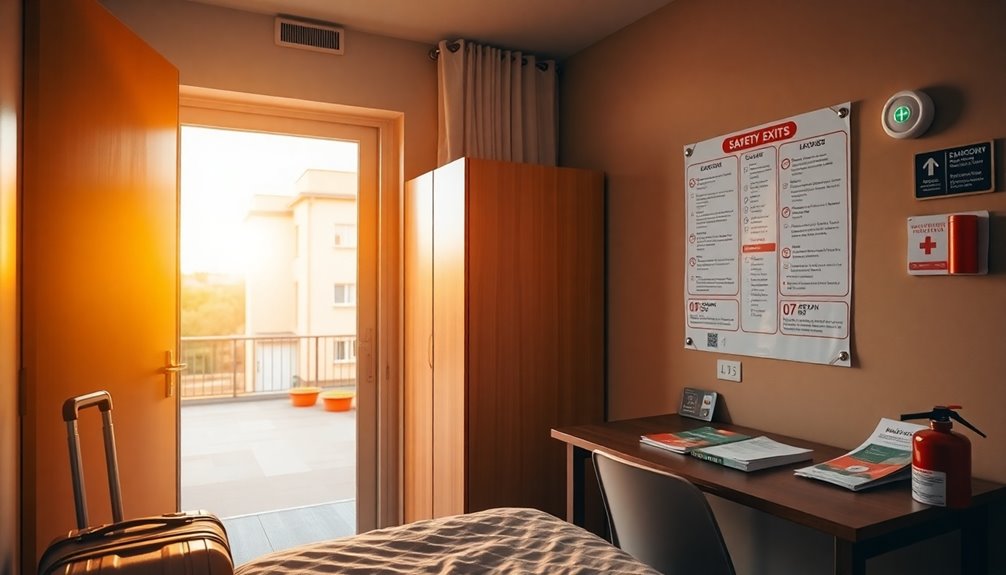
Choosing a rental near cultural hubs boosts practice opportunities, but you also need to think about personal safety so your stay stays productive. You’ll want clear security measures like reliable locks, well-lit entryways, and vetted host reviews before booking. Check neighborhood crime stats, transit safety at night, and whether the building has cameras or staff. Keep a list of emergency contacts—local police, medical services, and your embassy—and share your itinerary with someone you trust. Stay aware of local customs to avoid risky situations, trust your instincts, and choose places that let you explore freely with confidence.
Because even short stays add up fast, you’ll want a clear budget before you book so costs don’t eat into your study time. Prioritize essentials: tuition, lodging, transport, meals, and a small emergency fund. Hunt for budget friendly options like shared apartments, weekday arrival discounts, or off-peak courses. Compare total costs per week, not just nightly rates. Use cost saving strategies: negotiate a short-term rate, cook simple meals, buy multi-ride transit passes, and limit paid extras. Track expenses in a simple app so you stay flexible and in control, enjoying freedom without financial surprises.
If you’re booking a short-term rental for language study, decide early whether a furnished or unfurnished place suits your priorities—comfort and convenience versus lower rent and personalization. You’ll appreciate furnished essentials like a bed, desk, kitchenware, and reliable Wi‑Fi when you want to focus on lessons and explore freely. Choose unfurnished if you value saving money, bringing your own style, or staying longer; weigh unfurnished considerations such as upfront furniture cost, time to set up, and storage. Think about mobility, budget, and how much you want to carry. Pick the option that lets you learn and live with freedom.
When you’re planning a short-term stay for language classes, flexible lease terms can make or break your experience—look for month-to-month, sublet-friendly, or fixed-short contracts that match your course length and travel plans. You’ll want rental options that let you extend, exit early, or transfer without penalty, so your study schedule and sudden travel won’t trap you. Prioritize clear notice periods, refundable deposits, and written amendments for any verbal promises. If you value freedom, choose leases that minimize commitment and paperwork while protecting your rights. Smart selection of lease terms keeps your focus on learning, not logistics.
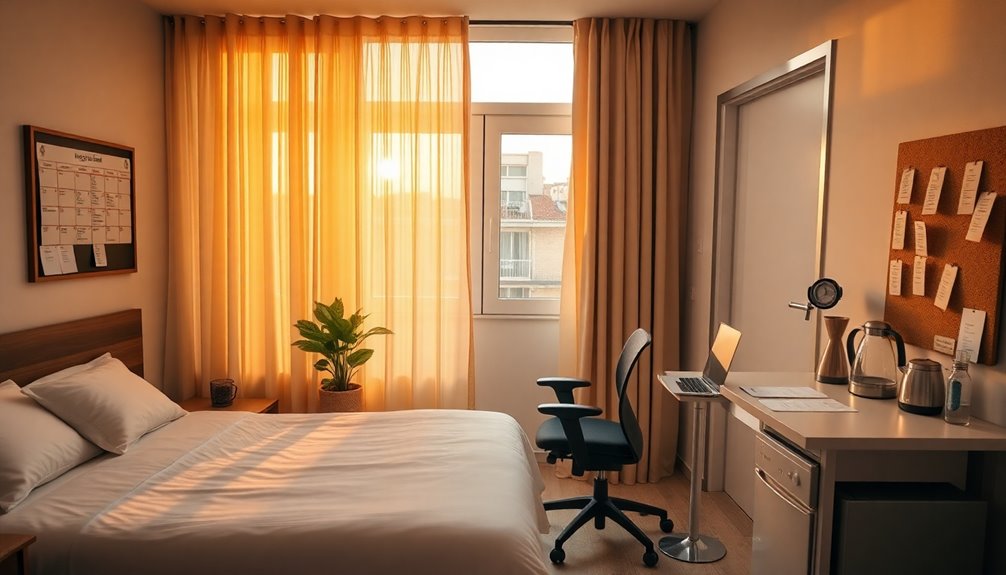
Since your short-term stay needs to balance focused study and restful downtime, check that the listing’s amenities actually support both: reliable Wi‑Fi speeds and strong cellular signal for online classes and research; a comfortable workspace with good lighting and a chair suited for long sessions; effective soundproofing or quiet hours for concentration; and blackout curtains or a quality mattress for restorative sleep. You’ll want study friendly features like extra outlets, a printer, and clear desk space. Confirm relaxation amenities such as a cozy lounge area, temperature control, and nearby green spaces. Ask hosts questions, read reviews, and request photos to be sure.
After you’ve confirmed the amenities that support focused study and restful downtime, you’ll need a booking strategy that matches the high demand of peak language course seasons so you don’t miss out or overpay. Act early to lock in early bird discounts and avoid last-minute peak season pricing spikes. Compare flexible dates and refundable options to keep freedom to shift courses. Use alerts on booking platforms, prioritize trusted hosts with clear cancellation policies, and split stays between cheaper midweek and premium weekend nights when possible. You’ll secure affordable, reliable housing without sacrificing the independence your learning journey needs.
You should know your tenant protections before signing a short-term lease so you can spot unfair terms and enforce your rights. Check local limits on short-term rentals and maximum lease lengths, since some cities restrict stays or require host registration. If rules seem unclear or you’re denied basic protections, raise the issue with your school, landlord, or local housing authority right away.
While staying in short-term student housing, you’re protected by a mix of local rental regulations and tenant rights that landlords must follow, and knowing those basics helps you avoid costly disputes. You should read rental agreements carefully, confirm what’s included, and note repair, privacy, and deposit rules. Local laws often limit unfair clauses, set safety standards, and require clear notice for entry or termination. If a landlord breaches rules, you can document issues, seek mediation, or contact tenant advocacy groups. Knowing your tenant rights gives you freedom to focus on study and travel, not housing uncertainty.
Because many cities cap how long landlords can offer short-term student leases, it’s important you know local limits before signing: these rules often restrict consecutive stays, require specific licensing for rentals under a certain duration, or forbid converting long-term housing into a string of short lets. You’ll want to weigh short term lease considerations against your study timetable and desired flexibility. Check permitted lease duration options, required permits, and cancellation protections so you won’t be surprised. Knowing local rental regulations and student rights lets you pick rentals that maximize freedom without risking fines or eviction, keeping your language course travel smooth and lawful.
For online assignments and virtual classes, you’ll need at least 25 Mbps download and 5 Mbps upload for smooth video and file transfers. Those speeds meet basic internet requirements for HD streaming, video conferencing, and quick uploads. If you’ll run multiple devices or host sessions, aim for 100 Mbps or more to avoid lag. You’ll enjoy freer, more flexible virtual learning when your connection’s reliable and responsive.
Yes — you can usually host overnight guests, but check guest policies first: many rentals allow short stays yet limit frequency and number. Imagine freedom with responsibility; you’ll want to respect quiet hours, security protocols, and roommate agreements. Communicate plans with your host or landlord, register visitors if required, and avoid extended stays without approval. Following rules preserves your independence while keeping the space safe and welcoming for everyone.
Usually they’re partly included, but you shouldn’t assume it. Many short-term rentals cover basic utilities, while cleaning fees or other additional costs often appear separately in rental agreements. You’ll want to check what’s itemized, ask about average utility usage, and confirm cleaning schedules or optional services. That way you keep freedom to move and budget clearly, avoiding surprise charges and keeping control over your stay.
Yes — many short-term rentals do offer luggage storage options, but policies vary by host and property. Check rental policies before booking to confirm availability, any fees, hours, and liability limits. Some hosts keep a secure room, others partner with nearby lockers or charge a small extra. You’ll want clear pickup/drop-off instructions so you can move freely between classes and travel without hauling bags around.
Yes — you can often get a refund if the language course is canceled, but it depends on refund policies and cancellation terms. Read those carefully: they’ll state timelines, documentation, and whether refunds go to you or your booking platform. If terms are unclear, push for clarity or a written exception. Staying flexible and informed gives you freedom to recover costs or rebook without being stuck by vague or restrictive clauses.
You’ll choose short-term student rentals because they put you, by happy coincidence, right where lessons, life and leisure overlap — near schools, transit, and cultural hotspots — so study and downtime sync. You’ll enjoy flexible leases, study-friendly amenities, and safer neighborhoods without long commitments. Check local rules, book smart in peak season, and pick a neighborhood that fits your lifestyle; doing so lets you focus on language gains, not logistical headaches.