
Frequently Asked Questions About Affordable English Courses Ireland
Study English In Ireland
January 16, 2026

You can find affordable English courses in Ireland that suit short or long stays, from community college programs and low‑cost group classes to part‑time evening lessons and intensive exam prep. Expect weekly fees from roughly €80–€250, plus registration and materials costs. Public schools tend to be cheaper; private schools offer more flexibility. Look at contact hours, class size and teacher credentials, and consider shared housing and discounts to save money. Keep going for practical tips and planning advice.
When you’re looking for affordable English courses in Ireland, you’ll find a range of options to suit different goals and budgets: general English classes at community colleges and language schools, intensive small-group courses, part-time evening classes, exam-preparation (IELTS/CAE) programs, and specialized courses for business or visa-friendly study. You’ll choose between face-to-face group classes for interaction and online learning for flexibility. Community programs let you explore culture affordably; intensive options speed progress if you want quick independence. Look for mixed formats that combine online study with in-person practice so you can learn freely and on your terms.
Wondering what you’ll pay? You’ll find budget friendly options from small community schools to larger academies. Typical weekly rates range widely: low-cost group classes often run €80–€150 per week, mid-range schools €150–€250, while intensive or exam-focused programs can be €250–€400. Discounts may apply for longer stays or off-peak seasons, and part-time courses cost less. Choose based on class size, location, and included materials to match your freedom-seeking lifestyle—pick flexible schedules and shorter commitments if you want mobility. Compare weekly rates and course content to get the best value for your goals.
Beyond the weekly tuition, you’ll often pay a one-time registration or application fee when you enroll. Expect extra costs for course materials like textbooks and online resources, and factor in living expenses such as accommodation, food, and local transport. Knowing these typical add-ons helps you budget more accurately for your time studying English in Ireland.
Most schools charge a one-time registration or application fee in addition to tuition, usually ranging from €50 to €200 depending on the institution and program length. You’ll pay this to confirm your spot and cover admin costs during the registration process. Check application requirements early — identity, proof of English level, and deposit are common — so nothing blocks your start date. Fees are often non-refundable, but some providers waive them during promotions or for longer courses. Budget for this modest expense and ask about written policies. That way you keep control of your spending and preserve your freedom to choose.
Once you’ve handled registration fees, you’ll want to budget for course materials — these can add €20–€150 per term depending on whether textbooks, workbooks, or online platforms are included. You’ll likely face modest costs for course material types like printed textbooks, grammar workbooks, and audio files. Some schools bundle materials; others charge separately. Ask if used books are okay or if digital bundles reduce price. Many courses offer free or low-cost online resources and library access to stretch your budget. Plan ahead, compare providers, and choose options that keep learning flexible without surprising extra fees.
While tuition covers classes, you’ll also need to budget for everyday living and getting around—rent, utilities, groceries, and transport can be your biggest extra costs. You’ll pay rent (shared or student housing), bills, food, phone and internet, and occasional clothing or healthcare. Plan weekly groceries and set aside an emergency fund. For transportation options, Ireland offers buses, trains, trams and discounted student Leap cards; short-term bikes or scooters work in cities. Compare costs by city and choose shared housing or host families to lower expenses. Track spending monthly so you keep freedom to study and explore without surprise bills.
When you compare public institutions to private schools, you’ll usually see lower base tuition at public colleges but fewer bundled services. Private schools often charge more up front yet include extras like materials, exam fees, or social programs that can raise value. Check exact fee breakdowns so you can weigh total cost against what’s actually provided.
Although both public institutions and private schools teach English, you’ll usually find that public colleges and language centers charge considerably less per hour than private schools, thanks to government funding, larger class sizes, and standardized tuition structures. You’ll see public institution advantages in predictable fees and broader access, ideal if you want cost certainty and community-style learning. Private school flexibility often means varied schedules, smaller groups, and premium services — useful if you value personalization and faster progress. Compare per-hour costs, class size, lesson intensity, and refund policies to decide which model lets you keep freedom over time, budget, and learning pace.
Because public institutions get government support and often serve larger student bodies, the headline tuition you see usually covers more of the basics—classroom instruction, access to libraries, campus facilities, and some student services—whereas private schools tend to charge separately for extras like placement tests, course materials, exam fees, and personalized support. You’ll find public programs often include set course duration and campus perks, while private providers itemize add-ons so you only pay for what you want. Check refund policies, hidden fees, and whether flexible payment plans exist. That lets you choose a path that matches your budget and desire for autonomy.
Wondering if part-time or evening English classes will save you money? You’ll often find evening learning priced lower than full-time day courses because shorter weekly hours reduce tuition and let schools reuse facilities. Part-time options give you budget flexibility — you pay for fewer contact hours and can keep work income or cut living costs. Compare hourly rates, total weeks, and any materials or registration fees so you’re not caught by hidden charges. Also check class size and teacher quality; cheaper isn’t always better. If you value freedom, choose a schedule that fits your life and wallet.
Curious whether you can get accredited English training in Ireland without breaking the bank? Yes — you can find accredited programs that balance quality and cost. Look for smaller colleges, community centres, and approved language schools offering recognized certificates; they often run affordable language immersion options during quieter months. You’ll want to verify accreditation status with Irish authorities or recognised accrediting bodies, check class size, and compare curricula. Short intensive courses or blended online-plus-in-person formats can cut costs while keeping outcomes high. With flexibility and careful research, you’ll secure reputable, budget-friendly study that supports your freedom to travel and work.
If you’ve found a few accredited low-cost options, the next step is to see how discounts and scholarships can lower what you’ll pay. You can search for scholarship options from schools, government exchanges, or cultural institutes that fund study-abroad language learning. Ask about early-bird, group, or off-season discount programs that reduce tuition. Some providers offer need-based or merit awards, and non-profit grants may cover exam fees or materials. Contact admissions for application deadlines, eligibility, and stacking rules so you can combine savings. With flexibility and planning, you’ll make language study more affordable without sacrificing quality.
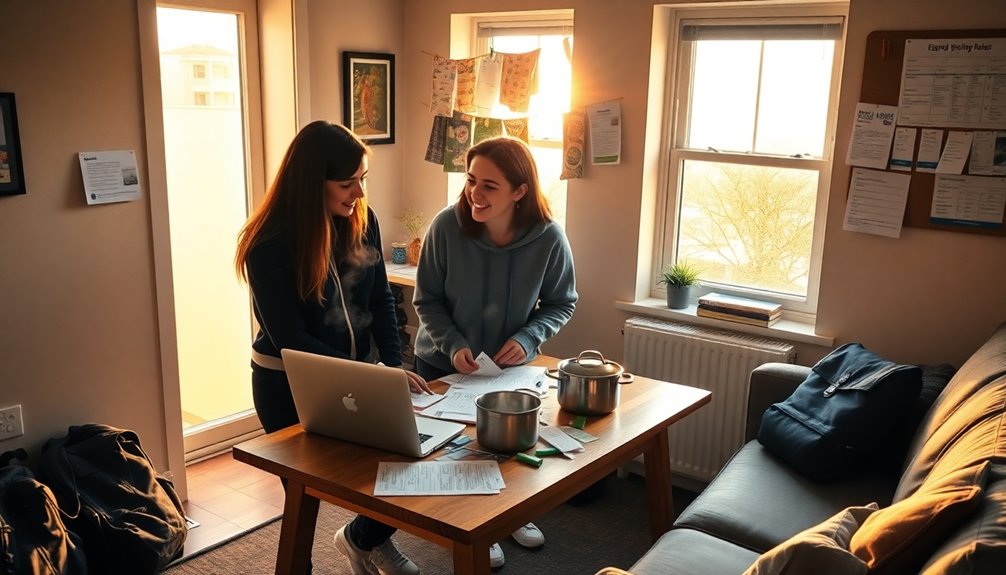
Because rent and living expenses are often the biggest part of studying abroad, choosing shared accommodation can cut your overall costs considerably: splitting rent, utilities, groceries, and internet with roommates usually lowers your monthly outlay compared with private housing or student residences, and many shared options include furnished rooms and basic bills to simplify budgeting. You’ll enjoy shared living that reduces per-person rent and bills, letting you allocate funds to tuition, activities, or travel. Expense sharing also means flexible lease terms and smaller deposits. Choose compatible housemates, clarify bill rules, and keep communication open to maintain freedom and control over spending.
When planning your budget, factor in both daily transport costs and regular living expenses so you don’t get surprised mid-term. You’ll want to estimate monthly public transport passes (urban versus regional), occasional taxis, and bike or scooter rentals if you prefer flexibility. For living costs, compare housing options: shared flats, homestays, or studio rentals — each affects groceries, utilities, and internet fees. Add modest leisure and unexpected expense buffers. Aim for a conservative monthly total and check local student discounts to stretch funds. That way you keep control, enjoy freedom, and focus on language progress without money stress.
When comparing course value, you’ll want to check the contact hours per week to see how much structured learning you’re actually getting. Class size matters too, since smaller groups usually mean more speaking time and individual feedback. Also confirm teacher credentials are verified so you’re paying for qualified instruction, not just a low price tag.
A good way to compare course value is to look at contact hours per week alongside class size and teacher qualifications: contact hours tell you how much formal instruction you’ll get, class size affects how much individual attention you can expect, and teacher credentials indicate teaching quality. Contact hours per week signal class frequency and study intensity — more hours let you progress faster if you can commit. Check whether hours include supervised self-study, workshops or exams. Match weekly hours to your lifestyle: choose flexible schedules if you value freedom, or denser timetables if you want rapid improvement without sacrificing balance.
Many factors hinge on class size, but the bottom line is how much attention you’ll actually get: smaller classes generally mean more speaking practice, quicker feedback, and lessons that can be adapted to your needs, while larger groups can offer variety and lower cost per hour but often limit individual interaction. You should weigh class size benefits against your goals: if you crave rapid progress and confidence, choose smaller groups for personalized attention and more chances to speak. If you value social learning and flexibility on a budget, larger classes can work—just expect less one-on-one guidance and slower individual progress.
Smaller classes can amplify the impact of a teacher’s skills, so it’s worth checking credentials before you commit. When comparing course value, look beyond certificates: verify teacher qualifications, years of teaching experience, and any specialist training relevant to your goals. Ask for CVs or bios, sample lesson plans, and references from past students. Confirm class hours align with advertised contact time and that class size won’t dilute attention. You want a teacher who fosters autonomy, adapts materials, and measures progress transparently. That way you’ll choose a course that respects your freedom to learn efficiently and confidently.
Curious about gaining practical experience while studying English in Ireland? You’ll find varied options: formal internships arranged by some schools, part-time jobs where permitted, and informal language exchange meetups to build conversational skills. Volunteer programs offer flexible ways to practice language, gain experience, and connect with communities without long-term commitments. Internships can boost your CV and confidence, but check visa and work-permit rules first. Ask your school about placement support, typical hours, and whether roles match your goals. Balance work, study, and freedom — choose opportunities that enhance learning without restricting travel or personal time.
Because living costs can add up quickly, it’s smart to plan a budget before you arrive and track spending weekly so you know where to can cut back if needed. Prioritize essentials, share accommodation to lower rent, cook at home and buy local seasonal food. Use public transport, rail cards or bike-sharing for budget travel, and avoid taxis. Hunt student discounts on museums, gyms and tech—always carry proof of enrolment. Choose free or low-cost social activities, shop at markets, and sell or swap items when leaving. Keep emergency savings and monitor exchange rates to stretch your money while preserving freedom.
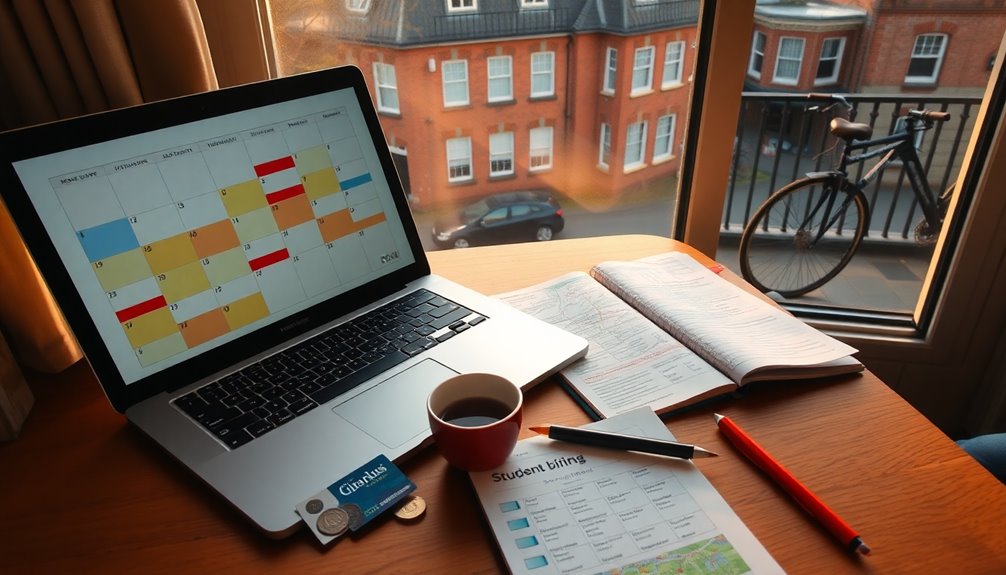
Once you’ve got budgeting basics sorted, you’ll want a study schedule that matches the length of your stay so you get the most learning for your money. For short stays, prioritize intensive study techniques: focus on core vocabulary, daily speaking practice, and immersion activities like local exchanges. Split sessions into focused bursts with review breaks. For long stays, layer skills over months—grammar blocks, conversation clubs, and project-based learning that builds fluency. Use clear scheduling tips: set weekly goals, track progress, and allow flexible days to explore Ireland. Balance routine with freedom so learning stays efficient and enjoyable.
Yes — you can combine affordable English classes with sightseeing tours and cultural activities. You’ll enjoy combined learning that blends classroom practice with real-world conversation, boosting fluency and confidence. Cultural immersion activities like guided walks, museum visits, and homestays let you practice language naturally while exploring. You’ll have flexibility to pick programs that match your pace and interests, giving you freedom to learn, explore, and shape your own study-adventure.
Think of visas as strict chaperones: your visa type decides study duration and whether you can work. If you’ve got a short-stay or tourist visa, you can’t enroll long-term or take paid work; student visas permit longer study duration but limit weekly hours and require course registration. Working illegally risks deportation. Check visa types, allowed study duration, and work permissions before booking—freedom means knowing the rules so you won’t get chained.
Yes — online blended courses are often cheaper than fully in-person options. You’ll see a clear cost comparison: blended programs cut venue, materials, and commuting expenses while keeping some face-to-face value. They also boost learning flexibility, letting you fit lessons around travel, work, or leisure. If you want freedom without sacrificing quality, choose a reputable blended course, compare total costs and schedules, and pick what matches your lifestyle and goals.
It depends — and the difference might surprise you. You’ll find short intensive courses (2–4 weeks) that focus on exam formats and quick strategy, mid-length options (6–12 weeks) mixing skills and mock tests, and longer programs (3+ months) for deeper mastery. Costs vary accordingly: shorter intensives are cheaper per week but pricier overall per hour; longer courses spread cost. Course structures — group, one-to-one, or blended — also affect price.
Yes — you’ll often find group rates and family packages. Schools usually offer discounts when friends or relatives book together, reducing per-person fees and sometimes extending flexible schedules. You’ll want to ask about minimum group size, age rules, and whether exam-prep or private lessons qualify. Negotiate for added perks like extra practice sessions or accommodation deals so you’ll have freedom to choose the format and timing that suits your group.
You’re setting sail on an affordable Irish English journey, and with smart choices you’ll steer clear of stormy expenses. Think of budget courses as cozy harbors — public colleges, part-time classes, and internships are the anchors that steady your wallet. Compare hours, class size, and teacher quality like reading the map. Pack frugal habits — cook, commute, and choose short intensive bursts — and you’ll arrive fluent, lighter in luggage and richer in experience.