
Top Tips for Exam Prep in Ireland
Study English In Ireland
January 19, 2026

You’ll get better results by using past papers and the official syllabus, practising under timed conditions, and focusing on active recall rather than just re-reading notes. Break subjects into small tasks and build a realistic timetable with regular breaks, sleep and short exercise to protect wellbeing. Choose quiet libraries or study pods, agree roles in study groups, and contact college support early if you need accommodations. Keep plans flexible and consistent, and if you want more practical tips you can go further.
When you’re preparing for Irish exams, pick resources that match the specific syllabus and your learning style — past papers and official syllabuses are non‑negotiable, while textbooks, revision guides, and tailored online courses can fill gaps depending on whether you learn best by reading, doing exercises, or listening. Choose a few reliable revision guides and study apps that suit how you concentrate; don’t overload. Mix active practice with concise notes, and test yourself under timed conditions using past papers. Prioritise quality over quantity so you stay flexible, confident, and in control of your progress toward exam freedom.
Start by setting achievable goals so you know exactly what you want to cover each week. Block your study into focused sessions for different subjects and stick to those times. Don’t forget to schedule regular breaks to keep your concentration and avoid burnout.
Because you’ll keep momentum when your goals feel doable, build a revision timetable that breaks subjects into small, specific tasks and schedules them at realistic times each day. Decide which topics matter most, then apply goal setting strategies: choose one clear outcome per slot, time it, and note success criteria. Aim for achievable milestones you can tick off daily so progress feels visible and freeing. Keep flexibility—swap sessions without guilt, and protect short breaks. Review weekly: drop or expand tasks based on results. This keeps you accountable, calm and in control while you prepare for exam day.
Now that you’ve set achievable goals, structure your days into block study sessions so those goals actually fit into a realistic timetable. Decide a block duration that suits your focus — 30, 45 or 60 minutes — and assign each block a clear task tied to a goal. Treat study intervals as accountable units: write what you’ll cover, start, and stop on time. Mix subjects to keep momentum and protect long-term freedom by avoiding cram nights. Track completed blocks to see progress and tweak timings weekly so your timetable stays realistic and respects your life outside studying.
Although it might feel tempting to power through, you’ll study more effectively if you schedule short, regular breaks into your blocks; they reset focus, reduce fatigue, and help information stick. Plan 5–10 minute break activities after 25–50 minute sessions and a longer 20–30 minute pause every few hours. Use rejuvenation techniques you enjoy — quick walks, stretching, a snack, or mindful breathing — so breaks feel freeing, not rigid. Treat them as essential, not optional. Track what refreshes you and adjust timings to protect momentum. That way you stay productive while keeping energy and motivation high.
When you’re choosing how to study for exams in Ireland, it’s useful to compare active recall and passive reading so you can pick methods that actually boost retention; active recall forces you to retrieve information from memory, strengthening neural pathways, while passive reading often gives a false sense of familiarity without improving long-term recall. You’ll want active recall benefits like retrieval practice effectiveness and spaced repetition advantages, plus effective questioning techniques and memorization strategies. Note passive reading downsides, limit cognitive load management issues, and apply comprehension enhancement methods. Consider learning styles comparison and study environment impact so you can study freely and efficiently.
Choosing active recall over passive reading is a smart start, but you’ll also need the right place to practice retrieval and focus; finding quiet, productive study spaces in Ireland helps you make the most of whatever technique you use. Scout library locations and university halls for reliable silence and resources, or try quiet cafes and study lounges when you want a low-key buzz. Book study pods or coworking spaces for focused blocks. Use public parks or remote areas when you need fresh air and solitude. Check community centers and local museums for affordable, underused spots. Rotate locations to stay flexible and free.
If you’re juggling lectures, shifts, and looming exams, you’ll need a simple plan that protects study time without burning you out. Prioritise tasks: list coursework deadlines, key revision topics and work shifts. Block reliable study slots around paid hours so you can enjoy free time guilt-free. Use time management techniques like 25–50 minute focused sprints and weekly reviews to spot clashes early. Talk to employers about exam weeks — many are flexible. Remember work life balance isn’t perfect balance every day but consistent boundaries that let you earn, learn and recharge without sacrificing freedom or grades.
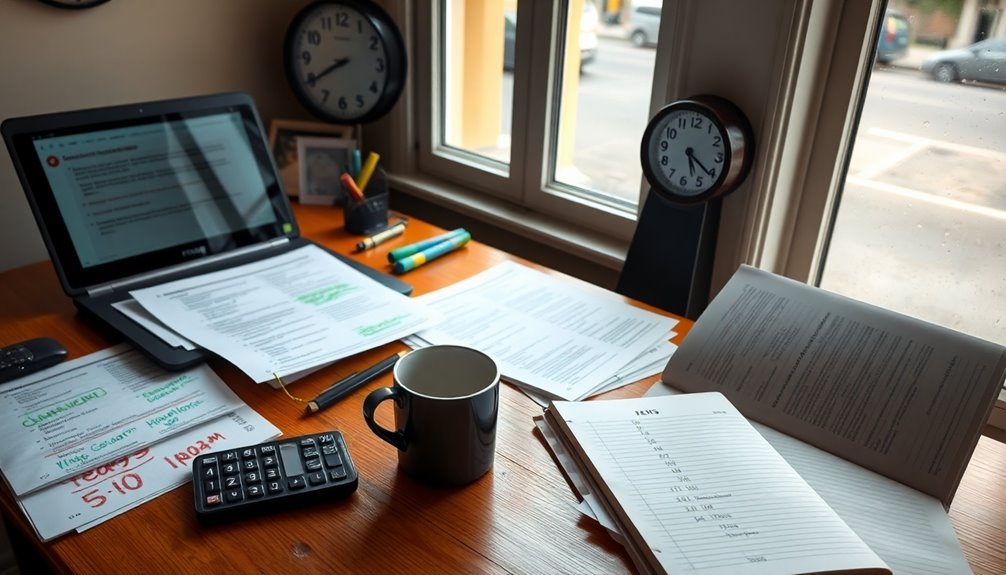
Start by tracking down past papers that match your exam level and syllabus so you’re practising the right content. Time yourself on full papers to simulate real exam conditions and build stamina. After each practice run, mark your answers against the official marking schemes to spot gaps and prioritise what to revise.
Why not begin by hunting down past papers that match your exact subject, level and exam board? You’ll want reliable past paper sources: official exam board sites, school archives, and reputable tutoring platforms. Pick papers from recent years to spot exam question trends and focus on syllabus topics that repeat. Download marking schemes too — they show examiner expectations and common answer phrases. Organise files by topic and year so you can access them fast. That way you keep prep flexible, honest and efficient, letting you choose targeted practice that builds confidence without wasting time.
Although it’s tempting to tackle papers casually, you’ll get the most benefit by recreating exam conditions: time yourself strictly, work in a quiet space, and ban phones and notes so you practice focus and pacing. Treat past papers as practice tests that reveal timing, question patterns and your weak spots. Schedule regular full-length runs and mimic breaks and materials allowed on the day. After each test, note where you wasted time or panicked, then adjust study blocks to strengthen those areas. This disciplined, freedom-friendly approach builds confidence so you can perform under pressure without being constrained by doubt.
When you pair past papers with their official marking schemes, you get more than answers—you get the examiner’s thinking; study the schemes to see how marks are awarded, what phrases or steps earn credit, and how many marks are given for structure versus content. Use marking criteria to target practice: note command words, allocation per point, and how examiners split marks. Compare your responses to sample answers, then rewrite yours to match required depth and phrasing. Time yourself and focus on securing core points first. This method frees you from guesswork, builds efficiency, and lets you choose where to invest revision time.
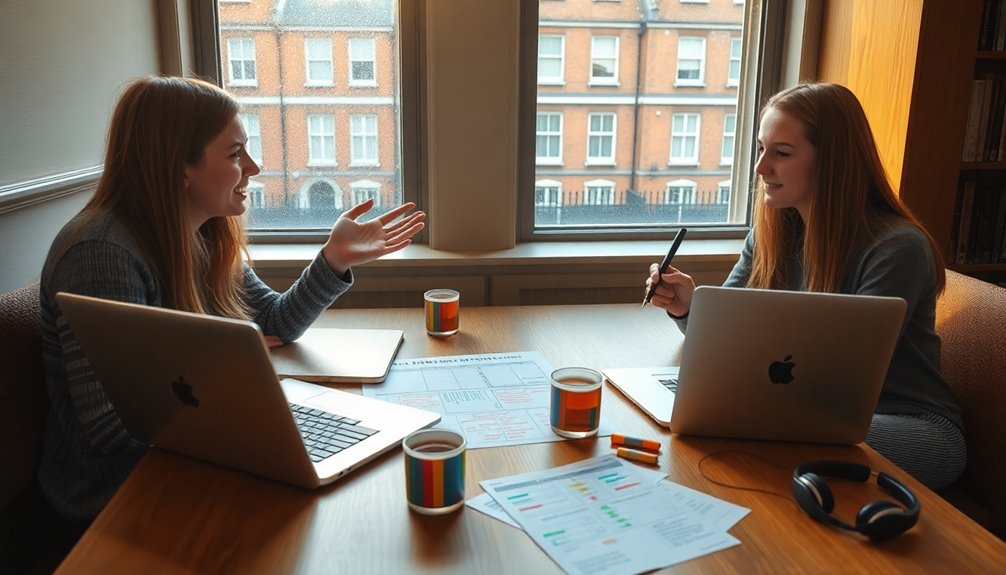
If you want study sessions that actually boost your grades, pick people who match your goals, work habits and commitment level—someone who’ll show up prepared, keep discussions focused, and give honest, constructive feedback. Choose partners who value study group dynamics: balance leaders with listeners, mix strengths across subjects, and agree on clear roles. Prioritise effective communication—set agendas, agree time limits, and call out distractions calmly. Look for reliability, punctuality, and a shared pace so you’re free to pursue your plan without friction. Try a trial session, review how you worked together, and adjust or move on if it’s not right.
Because exams can feel overwhelming, it’s important you get simple, practical ways to manage stress and protect your wellbeing so your studying actually works. Prioritise sleep, regular movement and healthy meals so your energy’s steady. Break sessions into focused blocks with clear goals, then reward yourself. Use mindfulness techniques—short breathing checks or a five-minute body scan—to reset when anxiety rises. Try relaxation exercises like progressive muscle release before bed to calm your mind. Set limits: say no to extra commitments that drain you. Keep freedom by choosing when and where you study, and trust small, consistent steps.
You’ll remember facts better if you link them to familiar places, like mapping historical dates to towns or science concepts to local landmarks. Use Irish exam past papers to practise applying those links under real exam conditions. Try explaining answers using Gaeilge examples to reinforce vocabulary and make concepts stick.
Where did you last notice a fact sticking in your head — on a poster in a Dublin bus shelter or while walking past the Shannon? Link facts to places you love: pin dates to historical landmarks, attach formulas to a favourite café table, or rehearse quotes in local libraries. You’ll recall details faster when they’re tied to movement and space. Walk the route, visualize the spot, and test yourself there. This method keeps study flexible and freeing — you’re not chained to a desk. Use vivid sensory anchors and short, repeatable routines to make memories stick wherever you choose to study.
When you work through past Irish exam papers, you’re practicing the exact skills examiners expect and building memory cues tied to real questions and local contexts. You’ll use past paper analysis to spot common phrasing, time allocation and marking patterns, so you can shape a lean exam strategy. Work timed sections, mark your answers honestly, and note mistakes as study prompts tied to places or examples you know. Repeat with variety: different years, levels and question types. This focused routine builds confident recall, helps you prioritise revision, and keeps your approach practical, efficient and freeing.
After working through past papers, bring your revision alive by teaching answers using Gaeilge examples tied to places, people or events you know — it’ll anchor facts to memorable context. You’ll explain topics aloud in Irish, swapping textbook phrasing for local names, landmarks and stories so ideas stick. This approach gives effective language immersion while reinforcing exam content. Mix short lessons with cultural study integration: link a grammar point to a céilí or county history, for instance. Keep sessions brief, active and choice-driven so you stay free to explore angles that interest you. Teach, test, repeat — memory follows meaning.
Although each exam type tests different skills, you’ll get better results by tailoring your preparation to essays, MCQs, and practicals rather than using the same approach for all of them. For essays, focus on essay strategies: plan outlines, practice clear introductions, and cite key points so you control your argument. For MCQs, drill mcq techniques: time yourself, eliminate distractors, and learn common question patterns. For practical assessments, rehearse tasks, organise tools, and simulate conditions so you stay calm. Mix focused sessions for each exam formats, set flexible goals, and keep choices that let you study smarter, not harder.
Tailoring study methods to essays, MCQs, and practicals helps you perform better — and if you have specific learning needs or disabilities, Irish colleges offer supports to make that preparation fair and manageable. You should contact disability or student support services early to discuss accessibility options and reasonable adjustments for exams. Use academic resources like quiet rooms, assistive tech, or note-taking help, and request extensions or alternative formats when needed. Know your student rights, keep documentation, and follow application deadlines. That way you retain control over your study plan, access practical support services, and approach exams with confidence.
Yes — you can access study grants and other financial supports for exam prep in Ireland. You’ll find government schemes, SUSI grants for eligible students, hardship or fee supports from colleges, and local authority or charity bursaries that can cover courses, materials, or tuition. Check eligibility, application deadlines, and required documentation, and contact student support services to free up time and resources so you can focus on studying confidently.
Start early, start steady, start subject-specific practice around the start of fifth year or at least a year before exams — early preparation gives you room to learn, review, and improve. You’ll focus on core topics first, then past papers, then timed mocks. You’ll build confidence, spot weaknesses, and refine techniques. Be consistent, be curious, be flexible, and you’ll keep freedom to choose subjects, pace, and study methods that suit you.
Yes — whether you can use a calculator or get a formula sheet depends on the subject and exam rules. You’ll need to check each exam board’s calculator policies and formula sheet guidelines: some exams let basic or approved scientific/graphing calculators, others ban them, while formula sheets are sometimes provided (e.g., in maths or physics) or not allowed. Stay informed, choose permitted tools, and practise under the exact rules so you’re free and confident on exam day.
You’re the lone shepherd guiding sheep to a distant gate; plan routes, leave early, and don’t rush. Expect commuting challenges: check public transport timetables, bring backup cash and a fully charged phone. Carpool with classmates, pack snacks and water, and scope parking near the venue. If roads look risky, notify your school. Stay calm, flexible, and free—small contingencies keep you steady on exam day.
Yes — international students can sit Irish state exams, but eligibility depends on exam type and your status. You’ll need to check exam eligibility and follow the specific registration process for that exam (e.g., Leaving Cert, Junior Cert, or state professional exams). Contact the State Examinations Commission or relevant body early, gather ID and residency documents, and complete forms by deadlines. This keeps your options open and reduces last-minute stress.
So you’ve followed every tip, nailed timetables and swapped Netflix for textbooks — obviously you’ll still forget one essential date, because life’s sense of humour insists on keeping you humble. Don’t panic: that slip won’t ruin everything. You’ve built habits, asked for help, and practised the skills that matter. Keep going, rest when you need to, and trust that your preparation — imperfect, human and all — will do most of the work on exam day.