
A Student’s Guide to Ireland Study Abroad Programs
Study English In Ireland
November 27, 2025

Ireland’s compact campuses, welcoming towns, and strong student services make it an ideal study-abroad choice for you. Pick a program by matching fields, class size, accreditation, and cost, and check rankings plus student reviews. Prepare visa documents, book biometrics early, and budget for tuition, rent, and living expenses while hunting scholarships. Secure nearby accommodation, register with campus health services, and learn local safety tips. Join clubs and internships to build networks — keep going to explore practical steps and tips.
Why pick Ireland for your study abroad experience? You’ll find a welcoming environment where cultural heritage is visible in music, literature, and community festivals, helping you feel secure as you settle in. Ireland’s campuses are compact and well-connected, so you’ll know how to navigate safely between housing and classes. If you’re seeking language immersion, English is everywhere, and you’ll also encounter Gaelic in signage and local programs that let you practice in low-pressure settings. Health services, student support centers, and clear emergency procedures are standard at Irish universities, so you can plan with confidence. Transport systems are reliable, and many towns have active international student networks that guide newcomers. Academically, you’ll benefit from small seminar groups and accessible faculty who provide structured feedback. Choosing Ireland means prioritizing a lived cultural experience alongside practical safety measures, giving you both personal growth and dependable support during your term abroad.
Now that you know what life and campus support in Ireland look like, you’ll want to match those qualities to a university or program that fits your academic goals, budget, and lifestyle. Begin by listing priorities: fields of study, class size, housing options, and safety services. Check university rankings for reputation, but weigh them against specific department strength and graduate outcomes. Confirm program accreditation—especially for professional degrees—so credits transfer and qualifications are recognized at home. Compare costs including tuition, living expenses, and available scholarships; look for transparent fee breakdowns. Read recent student reviews and contact program coordinators with safety and support questions: counseling, medical access, and campus security policies. Visit virtual tours or schedule a campus visit if possible to assess commute times and neighborhood safety. Finally, create a scored checklist to objectively compare finalists, ensuring your chosen program aligns with academic standards, accreditation requirements, and the practical supports you need to feel secure abroad.
Before you book flights or sign housing paperwork, you’ll want to understand Ireland’s student visa and entry requirements so you can plan timelines, gather documents, and avoid last‑minute hurdles. Start by confirming your nationality’s rules—EU/EEA students often don’t need a visa, while non‑EEA students must submit a visa application before travel. Check the Irish immigration site for current lists and processing times.
Prepare documents: acceptance letter, passport, proof of funds, health insurance, and accommodation details. Translate and notarize anything required. Book biometric and appointment slots early; delays are common during peak intake. Keep copies of submission receipts and correspondence.
On arrival, register with the local immigration office or Gardaí if required, and receive any stamp or permission documentation. Follow health- and safety-related instructions, and carry emergency contact and university support center details. If anything changes, notify immigration promptly. Planning carefully will protect your status and let you focus on settling into study.
Although studying in Ireland can be more affordable than you might expect, getting your budget right from the start will make everything easier—tuition, rent, food, transport, and extras all add up, so map out expected monthly and one‑off costs and compare them to your available funds. Start with clear financial planning: list tuition, insurance, visa fees, local transport, groceries, and an emergency buffer. Use budgeting tips like tracking weekly spending, setting spending categories, and automating transfers to a savings pot.
Explore scholarship opportunities early — university awards, government grants, and external foundations often have deadlines months before term. Apply broadly and tailor each application.
Adopt practical cost cutting strategies: cook in bulk, use student travel cards, shop markets, and buy second‑hand textbooks. Consider part‑time, permitted work for steady income but keep safety and study loads in mind. Review and update your budget monthly so you’ll stay secure and avoid surprises.
When you arrive in Ireland, securing accommodation quickly will relieve a lot of stress and help you focus on classes and settling into daily life; start by listing must-haves: proximity to campus, budget, and safety features like secure entry and well-lit routes. Explore accommodation options: on-campus halls for convenience and support, private student residences with services, shared flats to save money, or homestays for cultural immersion. Use university housing portals, trusted agents, and verified listings — always read contracts and confirm deposit protections. On arrival, prioritize essentials: register with your landlord, set up utilities and internet, and get a local SIM. For settling tips, map nearby grocery stores, transport links, and emergency contacts; introduce yourself to flatmates and neighbors, and keep copies of important documents in a secure place. If something feels unsafe or unofficial, contact your program coordinator immediately — don’t hesitate to ask for help while you settle in.
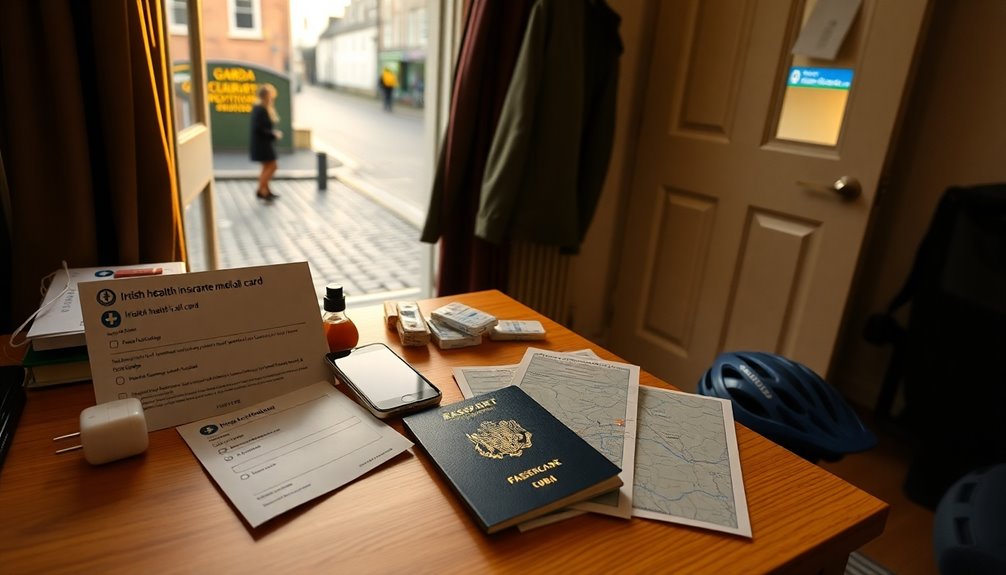
Health systems and safety procedures in Ireland are straightforward once you know what to do, so make sure you’ve got the right paperwork and a basic plan before any health issue arises. Register with your host university’s international office and find the nearest GP and urgent care; knowing where to go saves time in an emergency. Check whether you’re eligible for public services—EU students can use EHIC/GHIC, while non-EU students should confirm private insurance coverage for primary care and hospital stays. Keep a digital and printed copy of your insurance policy, emergency contacts, and prescriptions. For travel safety, carry a charged phone, local emergency numbers (112/999), and a small first-aid kit when you explore. Be mindful of road rules and weather alerts if you’re driving or hiking. Report crimes to local Gardaí and use campus security escorts at night if offered. Review claim procedures before departure so you’ll act quickly if you need medical care or to file a claim.
Curious how to turn your semester in Ireland into real academic and professional progress? You’ll want a clear plan for academic engagement: meet faculty during office hours, join seminar discussions, and verify credit transfer before classes start. Balance coursework with a realistic schedule so you can follow readings without rushing, and use campus resources—writing centers, libraries, and counseling—to stay supported and safe.
Look proactively for internship opportunities through your university’s career office and Irish job portals; apply early and tailor applications to local norms. Prepare a concise CV and a short cover letter that highlights intercultural skills. Network by attending department talks, alumni events, and supervised placements; exchange contact details and follow up within a week. Keep records of supervisors’ feedback and learning outcomes to aid grading and future job searches. Finally, maintain clear communication about expectations and safety protocols with hosts and supervisors so your academic and professional gains are steady and secure.
After you’ve laid the groundwork for academics and internships, you’ll want to plan shorter trips and daily activities that deepen your cultural understanding without pulling you off-track academically. Balance weekend excursions to nearby towns and landmarks with weekday routines: join campus clubs, attend lectures open to the public, and walk neighborhood streets to observe daily life. Prioritize safety—share your itinerary, check weather and transport schedules, and stick to well-lit areas at night. Seek out cultural festivals for concentrated exposure to music, dance, and community traditions, but arrive early to avoid crowds and know exit routes. Explore local cuisine at markets and trusted cafés; ask locals for recommendations and note allergen and dietary information. Build relationships with Irish students to learn unwritten norms and housing tips; reciprocate by sharing meals or study groups. Keep a modest budget, buy travel insurance for trips off-campus, and set clear academic boundaries so immersion enriches rather than disrupts your program.
Usually you can’t bring dependents automatically; partner eligibility depends on your visa type and study level. If you’re on a short-term student visa, family visas are rarely granted. For long-term postgraduate or research programs you may be able to sponsor a spouse or dependents, but you’ll need to prove finances, accommodation and relationship status. Check official Irish immigration guidance, gather documents carefully, and contact your institution’s international office for safe, step-by-step support.
About 85% of Irish universities report that most international transcripts use a straightforward Irish GPA Conversion Process. You’ll map Irish percentages and letter grades to your home scale, so the Irish GPA is translated by official conversion tables or your registrar. You’ll want to request detailed grade breakdowns, get certified translations, and ask both institutions for written equivalency. Don’t hesitate to seek academic advising to guarantee consistent, safe handling of your records.
Yes — part time employment limits on a student visa are generally enforced, so you should follow them closely. You’ll usually be allowed specific weekly hours during term and more during breaks; exceeding limits risks fines, visa issues, or deportation. Keep records, get employer clarity, and check your visa stamp or institution for exact hours. If unsure, contact your international office or immigration authority for safe, up-to-date guidance.
Yes — you can often start opening accounts before arriving, though full activation may need your Irish address and ID. Explore banking options: major banks and challenger banks let you begin online, upload documents, and reserve an account. You’ll want to compare fees, international transfers, and safety features. Keep passport, visa, proof of enrollment and address ready; contact the bank to confirm requirements so you’ll feel secure and prepared on arrival.
Bright light, closed gate: you’ll usually get a partial or full tuition refund if your visa application process fails, but terms vary. Check your tuition refund policies and submit proof of the visa denial promptly. Institutions often require official documentation and specific deadlines; some retain an administration fee. Keep copies, contact admissions immediately, and ask for written confirmation. This keeps you protected and lets you plan next steps with clarity and support.
You’ve got the essentials to choose, apply, budget, and settle into Ireland — but don’t stop here. Imagine stepping off the plane, luggage in hand, and realizing the real learning begins with the first crisp Irish morning: a professor’s offhand tip, a bus conversation that leads to an internship, or a weekend trip that flips your perspective. Keep planning, stay curious, and trust that every small choice will open bigger doors once you arrive.