A Student’s Guide to Student-Friendly Beaches Near Dublin
Study English In Ireland
December 4, 2025

You can hit a dozen great, student-friendly beaches within an hour of Dublin using cheap buses, DART links or split taxi fares. Pack a light waterproof, quick-dry towel, reef-safe sunscreen and snacks to save cash. Grab student discounts for ferries and bike hires, scout beach cafés for affordable sandwiches, and plan group games or tide-pooling for free fun. Check tides, lifeguard flags and local bylaws for safety. Keep going to pick the best spots, routes and deals.
Anyone can get to Dublin’s best beaches without breaking the bank — you just need to know the cheap routes and a few timing tricks. You’ll want to check public transport links early: DART and local buses serve many coastal spots, and travelling off-peak saves cash and avoids crowded platforms so you’ll feel safer. Look up beach accessibility info before you go — ramps, parking, and lifeguard hours matter, especially after dark. If you’re a student, carry your student card for discounts on fares, ferry tickets, and some bike hires; many operators advertise student discounts online. Consider group travel with friends to split taxi or parking costs for later hours. Plan return journeys and note shelter spots in case weather turns. Finally, book any needed tickets in advance where possible; it’s cheaper, reduces last-minute stress, and helps you stick to safer, well-served routes home.
Packing smart makes a day trip from Dublin easier and more fun, so focus on a few essentials that cover comfort, safety, and spontaneity. You’ll want a compact bag with a waterproof layer, quick-dry towel, hat, sunglasses, and reef-safe sunscreen — the core beach essentials for comfort and sun protection. Add a lightweight jumper and windproof jacket because coastal weather changes fast.
For safety, carry a small first-aid kit, a fully charged phone with portable charger, and a headlamp or compact torch if you’re staying late. Bring reusable water bottle and snacks so you won’t rely on limited options; pack them in a resealable bag to keep sand out. A small dry bag for valuables, a map or offline directions, and cash for emergencies finish your packing checklist. You don’t need to overpack — aim for practical, multi-use items that keep you safe, comfortable, and ready to enjoy the shore.
You don’t need to spend a lot to eat well near Dublin’s beaches — there are plenty of wallet-friendly options from fish-and-chip shacks to cosy cafés and takeaways where you can grab a hot meal and a cuppa before heading back to the sand. You’ll find beachside cafes serving soups, sandwiches and baked goods that warm you up after a chilly dip; many offer indoor seating and clean restrooms so you can dry off safely. For socials, pack easy picnic spots staples: pre-made wraps, fruit, bottled water and a small first-aid kit. Look for vendors that display hygiene ratings and use sealed packaging to minimise risk. If you’ve dietary needs, ask staff — places are usually happy to accommodate. Don’t forget affordable hot drink deals to keep you energised. With a bit of planning you’ll eat well, stay safe, and keep your budget intact while enjoying Dublin’s coastal charm.
If you’re trying to keep costs down for a beach day with friends, Dublin’s public transport, group ticket discounts and ride-share options make getting there cheap and simple. Start by checking public transport options: DART runs to many coastal spots, while buses and commuter trains serve others. Use the TFI Leap card for lower fares and touch-on/off to avoid fines. Look up student rates and off-peak schedules so you’re riding cheaper and safer.
For groups, ask at ticket kiosks or online about group discount deals — some services offer multi-person returns or family/group day tickets that cut per-head cost. For smaller groups, split a licensed taxi or a regulated ride-share to stay secure; share driver and vehicle details with everyone before you hop in. Always plan returns, keep phone chargers, and agree a meeting point and time so your affordable trip stays smooth and safe.
Although the sand, sea and skyline are the main draw, there’s plenty you can do at Dublin’s beaches without spending much — or anything at all. You can organise simple beach games like frisbee, volleyball with a makeshift net, or relay races that get everyone moving. Bring a blanket and ingredients for easy sunset picnics: sandwiches, fruit, and a flask of tea will do nicely. Photograph coastal trails, sketch the view, or try tide-pooling at low tide to spot shells and crabs — just keep distance from wildlife and leave habitats intact. Pack a reusable water bottle, a basic first-aid kit, and a phone charged for emergencies. If you’re into fitness, short beach runs or bodyweight circuits on the sand are free and effective. Want quieter options? Bring a book or organise a small group playlist for relaxed listening. These low-cost choices help you socialise, unwind, and enjoy the coast responsibly without breaking the bank.
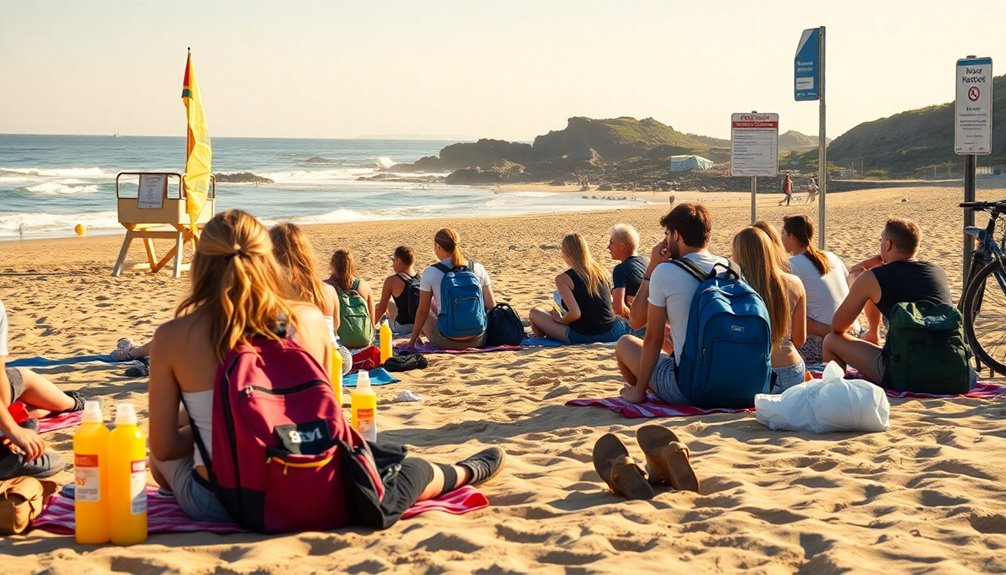
Because coastal conditions change fast, it’s smart to check the tide times, weather, and any local advisories before you head out — doing a quick online check or asking a lifeguard can save a lot of hassle. Once you arrive, follow basic beach etiquette: take your rubbish, respect marked zones, keep noise down near nesting areas, and give space to others. Look for lifeguard flags and signs; red means no swimming, yellow means caution, and green means supervised swimming safety. If you’re unsure about currents or rocks, don’t risk it — ask the lifeguard where it’s safest. Wear sunscreen, stay hydrated, and watch children closely; bring a whistle or phone in a waterproof pouch. If you swim, buddy up, avoid alcohol, and exit if conditions change. Finally, be aware of local bylaws around dogs, fires, and parking to avoid fines. Following these simple rules keeps your day safe and enjoyable.
After you’ve checked the tides and followed local rules, it’s easy to extend a beach day into an affordable overnight adventure without breaking the bank. You can pick officially designated campsites near Dublin coastlines—places with basic facilities, water access, and clear rules—so you’re legal and secure. Pack camping essentials: a lightweight tent, warm sleeping bag, headlamp, waterproof layers, a first-aid kit, and a charged phone with a power bank. Scout flat, sheltered spots away from dunes and signage, and set up before dusk. For cheaper overnight accommodations, consider hostels or budget B&Bs in nearby towns if weather looks iffy; they reset your warmth and charge devices. Always tell a friend your location and expected return time, follow Leave No Trace, and store food securely to avoid wildlife. With preparation and respect for local rules, you’ll enjoy safe, low-cost nights by the sea that fit a student budget.
Not always — many beaches have seasonal dog restrictions, so you’ll need to check each one before visiting. Follow local dog restrictions and beach etiquette: keep dogs on leads where required, clean up waste, and control barking or rough play near swimmers. During off-season dogs are often allowed off-lead, but rules vary. Prioritise safety for dogs and people, and consult council signs or websites to avoid fines and protect wildlife.
Sunny, safe shores: you’ll find lifeguard schedules posted at popular spots like Portmarnock, Dollymount, and Greystones. Lifeguards usually patrol daily from late May to early September, typically 10am–6pm, with weekend or reduced coverage outside peak season. Check local council updates for exact times. You’ll want to follow beach safety advice, swim between flags, and heed warnings—those lifeguards and schedules are there to keep you secure.
Yes — you’ll usually get decent mobile coverage along the popular beaches, though signal can dip in more secluded spots or on stormy days. Wi fi access isn’t common on the sand, so don’t count on public networks; nearby cafes or facilities sometimes offer wi fi access. For safety, keep your phone charged, enable location services, and consider downloading offline maps and emergency numbers before you head out.
Yes — many popular spots have public toilets and basic changing rooms, though standards vary. You’ll usually find maintained facilities near main car parks and lifeguarded beaches; check toilet cleanliness on recent reviews before you go. Changing room accessibility can be limited at smaller coves, so plan for modest amenities. For safety, stick to well‑lit, busy locations and bring hand sanitizer and spare clothes if you’re unsure about facilities.
Yes — you can often get student discounts from local water-sport providers. Many offer reduced water sport packages or a student membership that bundles lessons, gear hire, and safety briefings at a lower rate. Always bring valid student ID, ask about lifeguard supervision, rescue procedures, and included safety equipment. Compare packages, confirm refund and weather policies, and pick a provider that prioritises certified instructors and clear safety protocols.
You’ve got the map, the hacks and the picnic cheekiness—now go make the coastline your classroom. Treat each beach like a pocket-sized adventure, where your budget stretches like a sunhat and every tide teaches you something new. You’ll find cheap bites, cosy camps and splashable memories waiting; just pack smart, stay safe and share the good spots. When you return, you’ll have stories that glow like wet pebbles in sunlight.