Ultimate Guide to What to Pack When Moving to Ireland for English School for Students
Study English In Ireland
December 13, 2025

You’ll need key documents (passport, visa/residence permit, medical records, prescriptions) and scanned backups, plus some euros and an accessible contact card. Pack layered clothing, a waterproof jacket, sturdy walking shoes and warm accessories for Ireland’s changeable weather. Bring a laptop, universal adapter, portable charger and headphones, plus toiletries, a basic first-aid kit and dorm basics (bedding, laundry bag). Keep essentials in your carry-on for arrival — keep going to get full packing lists and practical tips.
Before you leave, gather the critical documents you’ll need both during travel and once you arrive: passport and visa/residence permit, birth/marriage certificates, driver’s license and an International Driving Permit (if needed), medical records and prescriptions, vaccination certificates, proof of address and employment, bank statements, tax records, and copies of any academic or professional qualifications. You’ll want originals and scanned backups saved securely online and on a USB drive. Check Ireland’s visa requirements early so you can apply in time and avoid last-minute stress. Pack a compact folder with essential documents for easy access at the airport, school, or rental viewings. Notify your bank and set up online banking; carry a letter from your employer or school if applicable. Keep emergency contact info and insurance policies handy. Label documents clearly and use waterproof sleeves for items you carry daily. Being organized reduces risk, speeds up processes, and helps you feel safe and confident as you start this move.
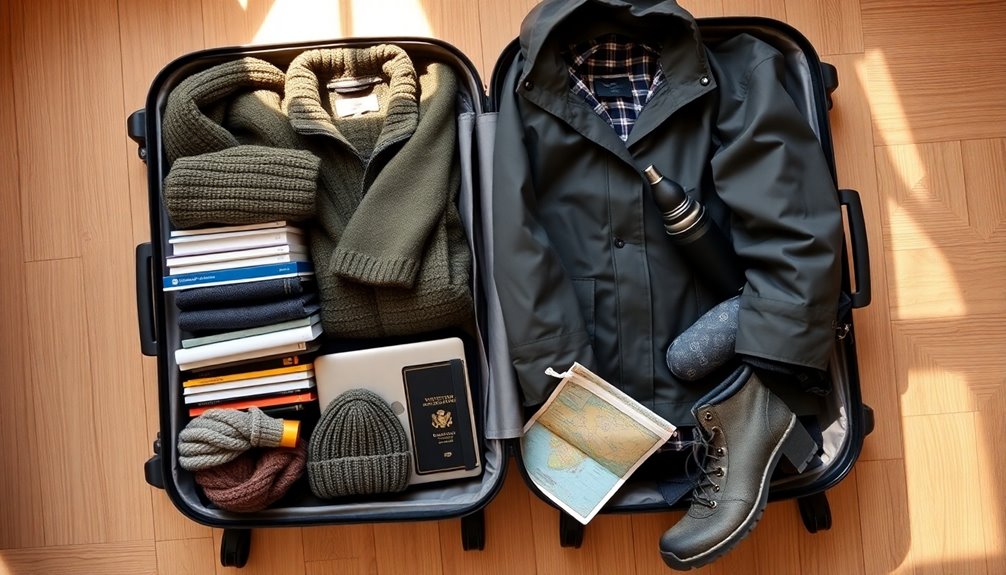
Now that your paperwork is in order and you’ve packed the documents you’ll need on arrival, let’s talk about what to wear — Ireland’s weather changes fast, so your clothing and footwear choices will make daily life much easier. Pack items you can combine with simple layering techniques: a lightweight base layer, a warm mid-layer like a fleece, and a waterproof outer shell. Choose weather appropriate fabrics — wool, merino, and technical synthetics dry quickly and keep you warm without bulk. Bring a compact, breathable raincoat with a hood and a foldable umbrella for sudden showers.
For footwear, include a pair of sturdy, waterproof walking shoes or boots for cobbled streets and wet trails, plus comfortable trainers for campus and casual days. Add a pair of slip-on shoes for evenings and waterproof socks to protect against damp. Pack a warm hat, gloves, and a scarf; they take little space but improve safety and comfort in windy, chilly conditions.
A few well-chosen electronics and study tools will make settling into Ireland and keeping up with coursework much easier. Pack a reliable laptop with a protective case and an external hard drive for backups. Bring a universal travel adapter (Ireland uses Type G, 230V) and a compact surge protector so you can safely charge multiple devices in shared housing. Include at least one quality portable charger for long days of classes or sightseeing. Don’t forget noise-cancelling headphones for study in busy dorms or cafés.
Install essential study apps before you leave—note-taking, flashcard, cloud-storage, and language-practice tools—to keep materials synced and secure. A small portable printer can be handy, but check local printing options to avoid extra luggage. Carry spare charging cables and a lightweight USB hub. Label devices and keep serial numbers recorded for safety and insurance. These choices will help you stay connected, organized, and prepared while you focus on learning and staying safe abroad.
Having your gadgets sorted makes it easier to think about the personal items you’ll want on hand for health and daily care in Ireland. Pack essential toiletries for personal hygiene: travel-size shampoo, soap or body wash, toothbrush, toothpaste, deodorant, razor, nail clippers, and a quick-dry towel. Include a basic first-aid kit with plasters, antiseptic wipes, pain relief (paracetamol/ibuprofen), antihistamine, and motion-sickness tablets if you need them.
Bring any prescription medications in original packaging plus a copy of the prescription and your doctor’s letter; check Irish import rules for controlled meds. Consider packing familiar health supplements (vitamin D is commonly recommended in northern latitudes) and probiotics if you use them. Add a small thermometer and blister care for walking days.
Keep things organised in a clear pouch so you can access items during travel or visits to a GP. That way you’ll feel prepared, safe, and ready to focus on studying and settling in.
When you move into a student room in Ireland, think of it as setting up a small, efficient home where comfort and study both matter; start by prioritising a few essentials that make daily life easier and create a calming study environment. Choose bedding options that suit the climate and your comfort: a good duvet with removable cover, fitted sheets, a mattress protector for hygiene, and a cosy throw for chilly nights. Prioritise safety—check locks, emergency exits, and lighting when you arrive. For study, add a desk lamp with adjustable brightness and ergonomic chair support. Room organization is key: use under-bed storage boxes, wall hooks, and clear bins to keep clutter off surfaces and make cleaning simple. Keep personal documents in a small lockable box. A basic toolkit, power strip with surge protection, and a compact laundry bag will help you settle in. These measures will make your student room safe, tidy, and study-ready.
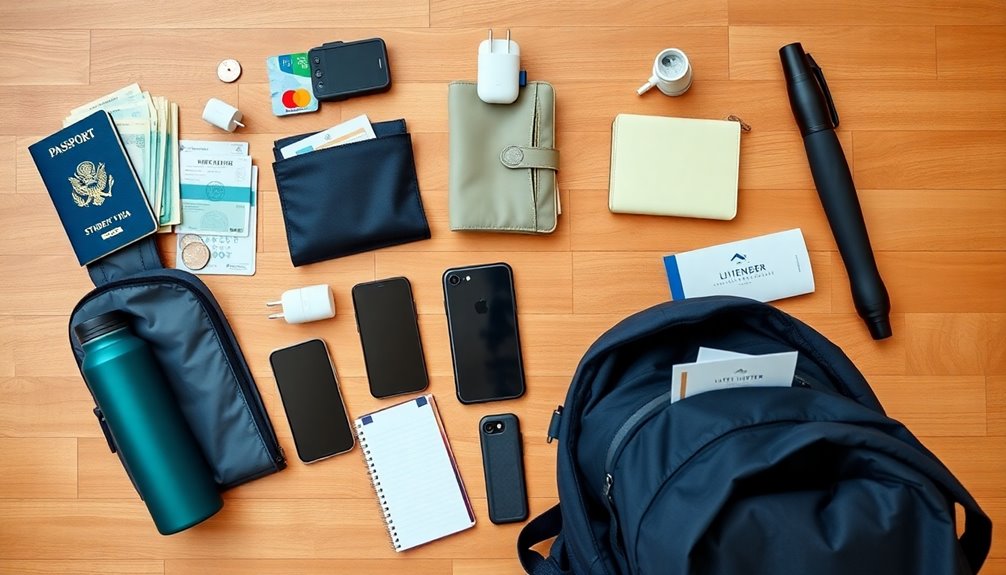
Because money and travel arrangements shape your first weeks in Ireland, get your banking, budgeting, and transport essentials sorted before you arrive so you can focus on studying and settling in. Bring a small amount of euros for immediate needs, but compare currency exchange rates and fees—airport kiosks are convenient but costly. Research banking options ahead: many banks let you open an account online, or choose a trusted international bank with branches in Ireland for easier transfers. Carry at least one contactless debit or credit card and enable chip-and-PIN and contactless limits for security.
Plan transport: download local transit apps, check student discounts, and book any airport transfer in advance for peace of mind. Set a clear budget for rent, food, and travel, and keep an emergency fund on a separate card or secure travel wallet. Note international transaction fees and register your cards with your home bank so you won’t be unexpectedly blocked while studying.
Although you’ll be excited, you’ll probably hit a homesick moment or two, so pack a few small comforts that make a dorm or flat feel like yours: a favorite mug or photos in lightweight frames, a soft throw, and a small ritual item (tea, a scented candle where allowed) to help ground you. Bring a small box of comfort items — a familiar snack, a handwritten note from family, or a playlist on a phone — things that fit easily in luggage and calm you quickly. Include practical items that support adaptation: a compact umbrella, a power adapter, and a small first-aid kit to boost your sense of safety. Pack one or two cultural guides or phrasebooks so you can learn local customs and feel confident in social situations. Finally, plan a few digital backups: scanned documents, emergency contacts, and photos of home. These steps help you settle faster, reduce anxiety, and make your new surroundings feel more like yours.
If you want your first day in Ireland to run smoothly, pack a small, well-organized carry-on with the essentials you’ll need between landing and moving into your new place: travel documents (passport, visa, boarding pass, printed and digital copies), a phone charger and portable battery, some cash and a contactless card, a change of clothes and toiletries for freshening up, any prescription meds plus a basic pain reliever, and a compact umbrella or lightweight rain jacket.
Use a clear checklist for arrival essentials so you won’t be scrambling. Keep documents in a slim, waterproof pouch and place meds in their original containers. Fold clothes into a zip pouch and stash chargers plus battery in an easy-to-reach pocket. Bring a small first-aid kit, hand sanitizer, and a reusable water bottle. For safety, share your arrival plan with someone trusted and save local emergency numbers in your phone. Quick organization reduces stress, helps you handle delays, and gets you from airport to accommodation confidently and securely.
Yes — you can bring some packaged hot drinks and sealed food, but you’ll need to follow customs regulations and food safety rules. Declare any animal products, dairy, fresh fruit, or meats; those’re often restricted or banned. Keep receipts and original packaging, and expect inspection. If items aren’t allowed they’ll be confiscated or destroyed. When in doubt, check Ireland’s official customs guidance before travel to avoid fines or delays.
Like a safety net catching you, yes — you can bring second-hand electronics or refurbished phones, but you’ll face import restrictions and should declare them if asked. Check that phones aren’t locked or stolen, keep receipts, and confirm any electronics warranty won’t be honored in Ireland. You’ll want boxed proof and battery compliance for transport. If in doubt, contact customs ahead so you’re protected and won’t hit surprises on arrival.
Yes — your prescription glasses and contact lenses will generally be usable, and replacements are available. Bring a copy of your prescription and an up-to-date lens specification; some contact brands may differ, so pack a spare pair. Ireland has reputable eyewear stores and optometrists offering prescription options, fittings and emergency repairs. If you’re safety-minded, schedule an eye exam soon after arrival and carry prescription details in case you need quick replacement or adaptation.
About 90% of small appliances are double‑voltage, so you’ll often be fine—but always check the label. You’ll need to confirm voltage compatibility (Ireland uses 230V, 50Hz). If your kettle or hair straightener is only 110–120V, get a proper voltage converter or buy a local appliance to guarantee appliance safety. Using the wrong converter can cause fire or damage, so choose a reputable, appropriately rated unit and follow manufacturer instructions.
You’re usually not required to buy travel insurance for the visa application itself, but you should—travel insurance benefits include medical coverage, trip interruption protection, and peace of mind. Check visa application requirements carefully because some visas ask for proof of insurance or sufficient funds. Even if it’s not mandatory, getting a policy protects you from expensive emergencies and makes your stay safer, so it’s a smart, practical step to take before you go.
You’ve got this — you’ll pack smart, stay comfy, and be ready for whatever Irish weather throws at you. Remember the documents, meds, chargers, cozy bedding, and a little cash; they’ll save you headaches. Bring a few things that remind you of home to fight loneliness, but stay open to new friends and experiences. One small suitcase won’t fit the whole world, but it’ll fit everything you need to start your Irish adventure.