
Beginner-Friendly English Prep Courses in Ireland
Study English In Ireland
December 25, 2025

You’ll find beginner-friendly English prep courses across Ireland that combine small classes, native-speaking teachers, and supervised cultural activities to build everyday speaking confidence quickly. You’ll get clear lesson plans, regular assessments, and options like intensive, part-time, or blended study to suit your pace. Cities like Dublin, Galway, Cork and Limerick offer safe housing, conversation clubs and volunteering for extra practice. Check accreditation, class size and support services before you book, and more practical tips follow.
If you’re starting from scratch, Ireland offers a supportive and immersive environment for beginner English learners: smaller class sizes, native-speaking teachers trained in communicative methods, and plenty of everyday chances to practise outside the classroom. You’ll find programs designed to build confidence step by step, with clear lesson plans and regular assessments so you know how you’re progressing. Language immersion is reinforced by safe, supervised activities—guided walks, conversation clubs, and community visits—that let you use English in predictable, low-pressure settings. The country’s cultural diversity means you’ll meet classmates and staff from many backgrounds, which helps you learn varied accents and polite social norms while feeling supported. Practical services like student welfare officers, verified homestays, and transparent course information reduce risk and help you plan. If you want a careful, structured start, Ireland gives reliable options that balance classroom learning with real-world practice in a secure, welcoming context.
Cities shape your learning experience, and Ireland’s student hubs each offer distinct advantages for language learners. You’ll find Dublin combines reliable resources, established colleges, and practical opportunities to practice English in safe, well-served neighborhoods; evenings can include Dublin nightlife but you can choose quieter areas and scheduled campus activities. Galway provides a friendlier, smaller-city pace where community classes and conversation groups thrive, and Galway festivals create welcoming chances to hear varied accents and local expressions in controlled settings. Cork balances urban amenities with approachable neighborhoods and accessible cultural venues for steady language immersion. Limerick offers affordable living and focused study centers, often with strong support services for international students. When choosing a city, consider transport links, housing safety, and proximity to campus facilities. Tour campuses, ask about student support, and pick the environment where you feel most comfortable practicing English daily while maintaining a predictable, secure routine.
There are several beginner-friendly English programs in Ireland designed to get you speaking and understanding quickly, from intensive classroom courses to relaxed conversation clubs and blended online-plus-in-person options. You can choose intensive courses if you want fast progress; these focus on core grammar, pronunciation, and speaking practice in small groups with regular feedback. If you prefer a gentler pace, part-time classes and conversation clubs let you build confidence in a low-pressure setting, often with community volunteers or trained facilitators. Blended programs combine online classes with face-to-face sessions, so you’ll get flexible study plus supervised practice. Many schools offer tailored options for workplace English, exam preparation, or everyday conversation, and some include supervised cultural activities to help you feel safe and supported while practicing. Before enrolling, consider schedule, instructor experience, class size, and support services to match the program to your needs and comfort level.
When you’re choosing a beginner English course in Ireland, accreditation and clear quality indicators help you tell reputable schools from short-term operations; look for recognition from bodies like ACELS (part of Quality and Qualifications Ireland), membership in IATEFL or EAQUALS, and transparent inspection reports. You should check which accreditation agencies have vetted the school, what standards they assessed, and whether recent inspection reports are available. Quality benchmarks to look for include qualified teachers with DBS checks, clear course descriptions and learning outcomes, verified student feedback, and published safety and safeguarding policies. Ask about class sizes, entry assessment procedures, and how progress is monitored — those practical benchmarks affect your learning and wellbeing. If a provider can’t show accreditation documents, inspection results, or trustworthy references, be cautious. Choosing a school that meets recognised accreditation agencies’ standards gives you stronger assurance that teaching, student support, and safety measures are consistently maintained.
Accreditation and school reputation tell you a lot about teaching quality and student support, but where you stay will shape your day-to-day experience and language practice. You’ll usually choose between a host family or student housing; each offers different levels of immersion and safety. A host family gives steady exposure to everyday English, supervised mealtimes, and a supportive household environment — good if you want guidance and clear rules. Student housing tends to be more independent, often near campus with private or shared rooms and communal spaces where you can meet peers. Check safety features like secure entry, well-lit routes, and proximity to public transport and medical services. Ask your school about vetted placements, emergency contacts, and regular welfare checks. Read tenure policies and house rules carefully so you know what’s allowed and what support the school provides. Choosing accommodation that balances comfort, supervision, and social opportunities will help you focus on learning with peace of mind.
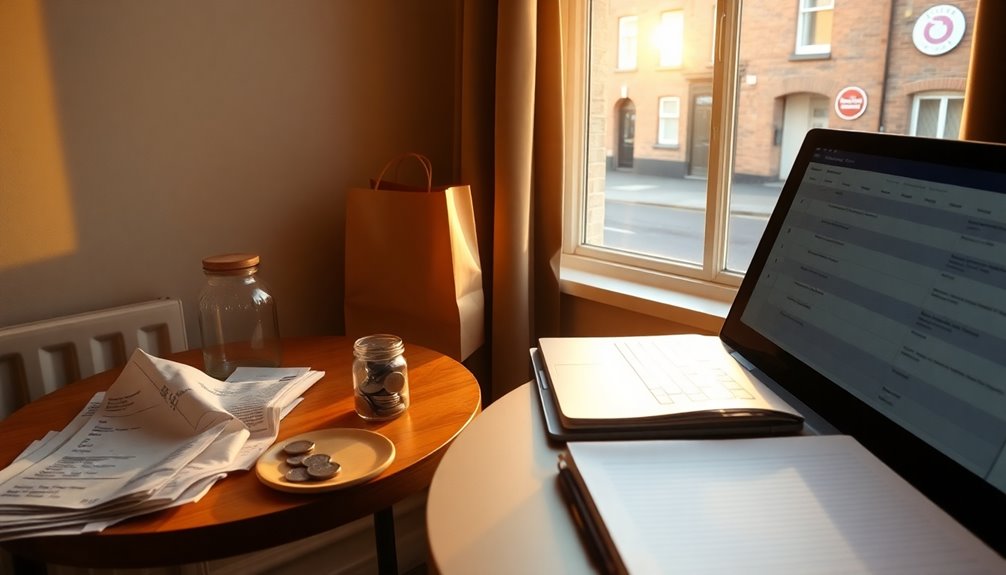
Budgeting for life in Ireland means planning beyond tuition — you’ll need to account for rent, groceries, transport, utilities, and occasional social outings — and costs vary by city or town. You should set a monthly budget that separates fixed costs (rent, utilities) from variable ones (food, leisure). Use budgeting strategies like a simple spreadsheet or a budgeting app to track spending and adjust quickly. Do a cost comparison between neighbourhoods and housing types before signing any contract; smaller towns and shared accommodation are usually cheaper than city centres. Plan an emergency fund equal to at least one month’s expenses to feel secure. Look for student discounts, supermarket loyalty cards, and bulk-buying options to reduce grocery bills. When you compare costs, include averages for utilities and internet. Keep receipts for the first months to spot patterns, then refine your budget. Clear records help you stay safe financially and avoid unexpected shortfalls.
After you’ve got your monthly budget mapped out, it’s important to factor in how you’ll get around, stay safe, and cover everyday essentials like phone credit and toiletries. In Ireland, public transport is reliable in cities and towns — buses, trams and regional trains connect most places. Buy weekly or monthly passes to save money, and keep a transport app or timetable on your phone. For safety, follow basic safety measures: avoid poorly lit areas at night, keep valuables out of sight, and know local emergency numbers (112/999). Register with your school or accommodation provider so someone knows where you are. Everyday essentials include a local SIM or top-up plan, basic toiletries, a small first-aid kit and an umbrella. Learn simple phrases to ask for help and check routes before you travel. If you plan to cycle, wear a helmet and reflective clothing. These steps help you move confidently, reduce risks and manage daily needs while studying in Ireland.
While you’re studying in Ireland, getting involved in social activities is one of the quickest ways to practise English and experience local culture. You can join organised cultural exchanges at schools or community centres, which pair you with locals for language practice and safe, guided outings. Look for social events advertised by your course provider—coffee mornings, walking tours, and group dinners are common and usually supervised.
Volunteering is another low-risk option that lets you use English in practical settings while meeting people. Libraries, charities, and festivals often need help and will welcome beginners. If you prefer smaller groups, consider language tandems or themed meetups where participants agree on respectful behaviour and clear meeting places.
Always check event details, emergency contacts, and transport options beforehand so you feel secure. By choosing reputable programmes and attending organised social events and cultural exchanges, you’ll build confidence and practical language skills in a supportive environment.
Yes — you can often work part time while studying, but rules depend on your visa, program and local laws. You’ll need to confirm allowed hours with your school or immigration office to stay safe and legal. Part time employment can help cover costs and improve your language skills, though balancing work and study is important. Make sure contracts are clear and report work if required by authorities.
Think of borders as garden gates: some you pass easily, some need keys. Yes — you often need specific visa types for short-term language learners, depending on your nationality and course length. You’ll follow an application process that asks for proof of enrolment, funds and insurance; sometimes work rights are restricted. Check official immigration sites or your school’s advice so you’ll feel secure and prepared before you travel.
Yes — many schools offer airport assistance and arrival services. You’ll usually be able to request pickup in advance, with drivers meeting you at arrivals and helping with luggage and transport to your accommodation. Some schools provide orientation on arrival, emergency contacts, and temporary phone SIMs. Always confirm costs, pickup location, timing, and cancellation policy before you travel so you’ll feel safe and supported when you reach Ireland.
Yes — you can often switch schools if you’re unhappy, though it depends on school policies and whether transferring credits is possible. Before you move, check refund rules, notice periods, and visa implications; ask for written confirmation. If credits aren’t accepted, you may need to repeat courses. Keep records of payments and progress, and contact your current and prospective schools to guarantee a safe, smooth change without unexpected financial or academic gaps.
Yes — many programs include weekend excursions and cultural activities as optional add-ons or included features. You’ll often get supervised trips to nearby towns, museums, and landmarks with vetted guides and clear safety briefings. Transportation, accommodation and insurance details are usually provided in advance, so you’ll know what’s covered. If safety or accessibility’s a concern, ask the provider for risk assessments and emergency contact procedures before you book.
You’re ready to take the next step: study English in Ireland offers friendly classrooms, safe cities, and practical support that make starting feel like a breeze. With clear accreditation, varied course types, and affordable housing options, you’ll find a path that fits your budget and goals. Use public transport, join social activities, and soak up local culture—the experience will open doors and plant seeds that grow into better language confidence and lasting connections.