Top-Rated Summer Courses in Ireland 2026
Study English In Ireland
January 25, 2026

Looking for top-rated summer courses in Ireland for 2026? You’ll find short, intensive programs at Trinity College Dublin, UCD, and University of Galway that mix expert teaching with safe, campus-based experiences. Choose from language immersions with homestays, hands-on tech bootcamps, entrepreneurship workshops, and creative arts labs. Small classes, clear safety protocols, and practical assessments are standard. Budget for tuition, housing, visas, and insurance. Keep going to see course types, costs, and practical tips.
If you’re weighing summer study options for 2026, Ireland offers a unique mix of academic excellence, compact travel, and vibrant culture that makes it easy to turn a short program into a rich learning experience. You’ll find programs that balance classroom rigor with safe, guided outings so you can deepen knowledge without unnecessary risk. Small campuses and approachable faculty mean you’ll get personalized attention and clear expectations, which helps you manage time and wellbeing. Outside class, cultural experiences are within easy reach — music sessions, museums, and community events let you engage locally while staying secure. For calm, structured historical exploration, parks, castles, and curated tours provide context without chaotic crowds. Practical supports — student services, emergency contacts, and clear transport links — help you feel confident maneuvering a new place. Choosing Ireland for summer study gives you focused academics, memorable cultural immersion, and thoughtful safety measures in a compact, navigable setting.
Building on Ireland’s blend of compact campuses and hands-on cultural learning, several universities stand out for short summer courses that balance academic rigor with practical experience. You’ll find institutions like Trinity College Dublin, University College Dublin and University of Galway offering varied short course formats—weeklong intensives, modular workshops and credit-bearing options—so you can pick what fits your schedule and comfort level. Campus-based courses prioritize small groups, clear safety protocols and guided fieldwork; staff are reachable and support services are straightforward. If you prefer remote or hybrid study, reputable schools provide online course options with live sessions, recorded lectures and monitored discussion boards to keep engagement and well-being high. Costs, housing support and local transport links are transparently listed, helping you plan securely. Before you enroll, check entry requirements, refund and health policies, and whether pastoral care or local emergency contacts are provided so your short stay feels both productive and safe.
One of the best ways to fast-track your Irish language skills is to enroll in an immersion program that mixes classroom instruction with everyday practice—conversation circles, homestays, and community events give you real-world exposure beyond textbook drills. You’ll benefit from structured lessons plus supervised language exchange sessions where you pair with locals or fellow students to practice speaking and listening in safe, supportive settings. Choose programs that offer vetted homestays or on-campus options with clear safety protocols, emergency contacts, and orientation briefings so you’ll feel secure from day one. Expect guided cultural activities—music sessions, local tours, and volunteer opportunities—that deepen your understanding and make vocabulary stick. Look for small class sizes, experienced instructors, and clear evaluation methods so you can track progress. Before you commit, confirm cancellation policies, health coverage suggestions, and staff availability. With the right program, you’ll return home more confident in conversation and better connected to Irish culture.
Why pick a summer business course in Ireland—will it fast-track your startup skills or expand your corporate toolkit? You’ll find short, structured programs that balance theory with hands-on practice, so you can build confidence without risk. Courses often include entrepreneurship workshops that let you test ideas in safe, mentored settings and develop clear action plans you can follow after the program ends.
You’ll also gain practical business networking opportunities with peers, local founders, and industry mentors in secure, moderated environments. Sessions focus on validated frameworks—market research, lean planning, pitching—and on ethical decision-making and compliance, so you leave prepared and protected. Small cohorts and supervised project work keep stress low while maximizing learning. If you want direct feedback, real-case studies, and a reliable support network to help implement what you learn, these programs deliver. They’re ideal when you want measurable progress, practical connections, and peace of mind as you advance your business goals.
If you want an intensive, hands-on way to boost your technical skills this summer, STEM and tech intensives in Ireland pack focused learning into short, practical programs that get you building real projects fast. You’ll find weekend robotics workshops that guide you from sensor basics to autonomous tasks, with small cohorts and clear safety briefings so you can experiment confidently. Coding bootcamps focus on web development, data science, or machine learning, using pair programming and live feedback so you’ll ship usable apps by course end. Instructors prioritize safe lab practices, version control, and secure deployment, which keeps your work and devices protected. Expect blended formats—onsite labs for hardware sessions, remote modules for theory—and explicit risk management for equipment and data. Choose programs with certified instructors, transparent schedules, and post-course support so you can continue learning without sudden gaps. These intensives are efficient, practical pathways to sharpen skills and build a portfolio you can safely showcase.
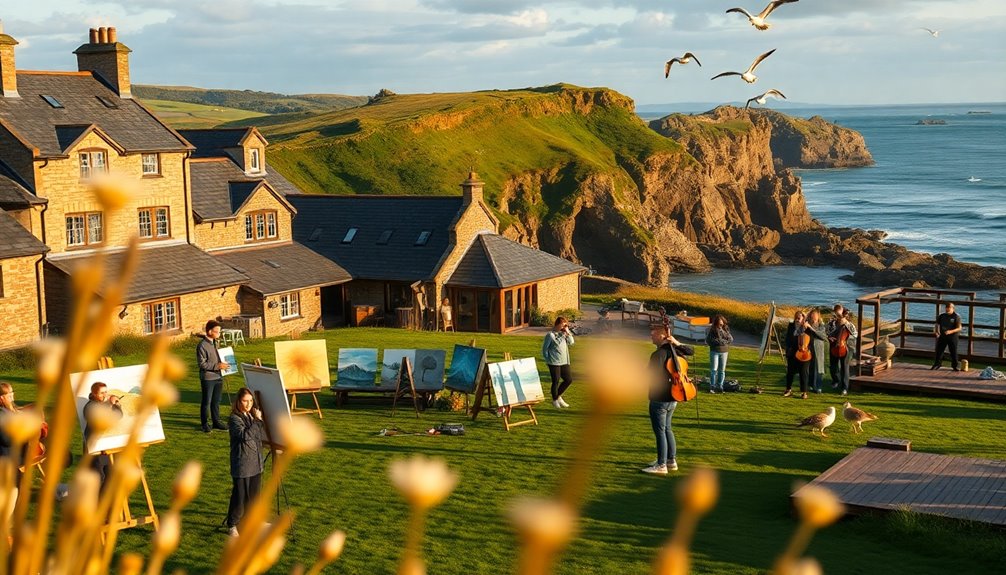
Looking to spark creativity this summer? You’ll find arts, music, and creative workshops across Ireland that balance inspiration with structure. You can join small-group painting and sculpture classes where tutors guide safe studio practices, materials handling, and constructive feedback so your artistic expression grows without risk. If music’s your focus, expect beginner-to-advanced music theory sessions paired with ensemble work, ear training, and clear practice plans that build confidence. Many programs offer accessible venues, supervised rehearsal time, and written safety guidelines for instruments and equipment. Hands-on creative writing and digital media labs emphasize craft, peer review, and secure file management. Weekend masterclasses and short intensives let you sample specialisms before committing longer-term. Instructors prioritize clear instructions, warm mentorship, and inclusive group norms, helping you take creative risks within supportive boundaries. Whether you want to refine technique, expand your portfolio, or deepen musical understanding, these courses help you progress safely and enjoyably.
When you enroll in Ireland’s environmental and sustainability programs this summer, you’ll get hands-on fieldwork, practical policy insight, and project-based learning that connect theory to real-world conservation challenges. You’ll study coastal restoration, peatland rehabilitation, and biodiversity monitoring with experienced instructors who prioritize safety and clear protocols. Labs and field trips teach sustainable practices like waste minimization, low-impact sampling, and community engagement, so you leave confident and competent. Workshops on renewable energy introduce green technologies, permitting you to evaluate solar, wind, and small-scale hydro options in local contexts. Courses balance classroom seminars on environmental law and ethics with practical risk assessments and emergency planning, keeping participant wellbeing central. Small group projects let you design mitigation plans or pilot community initiatives, receiving feedback from practitioners. Whether you’re aiming to upskill for a green career or contribute to local conservation, these programs give practical tools, documented safety procedures, and a supportive learning environment to apply sustainable solutions responsibly.
Because choosing the right summer program shapes both your learning and safety in the field, it helps to have a clear checklist that compares curriculum, hands-on opportunities, instructor credentials, safety protocols, and costs. Start by mapping learning outcomes against course evaluation methods: look for transparent assessment criteria, practical skill checks, and feedback frequency so you know how competence is measured. Check program accreditation standards to confirm institutional oversight and recognition, and verify instructor credentials, field experience, and emergency response training. Prioritize courses with documented safety protocols: risk assessments, first-aid provisions, equipment checks, and clear incident reporting. Compare hands-on opportunities by lab hours, supervised fieldwork ratios, and simulated scenarios that build real-world readiness. Ask for sample schedules and alumni safety feedback. Finally, use a side-by-side scorecard that weights safety, pedagogy, accreditation, and practical exposure to make an evidence-based choice that keeps you prepared and protected throughout the summer course.
Now that you’ve weighed safety and learning outcomes, it’s smart to compare the practical logistics that make attendance possible: total cost, living arrangements, and visa requirements. You’ll want a clear budget that lists tuition fees, travel, insurance, and daily expenses; many programs publish sample budgets. Compare housing options—university dorms, homestays, private rentals—and prioritize vetted choices close to campus for safety and shorter commutes. If you’re staying in a homestay, ask about host screening and emergency contacts.
Check visa rules early: short-term study may need a student or tourist visa depending on length and nationality. Apply well ahead and keep digital and paper copies of acceptance letters, financial proof, and accommodation confirmations. Buy travel and health insurance that covers COVID and emergency evacuation. Finally, plan contingency funds and share your itinerary with a trusted contact so you can travel and study with confidence.
Yes — you’ll often find scholarship opportunities for international summer students, though availability varies by program and institution. Check each course’s website for international eligibility criteria, application deadlines, and required documents. You’ll want to apply early, include safety- and health-related paperwork if requested, and contact program coordinators for clarification. If you’re worried about costs, look for third-party grants, embassy-funded awards, or university bursaries that explicitly welcome international applicants.
Yes — you can often earn transfer credits, though it depends on transfer credit policies and home university agreements. Imagine a bridge connecting two campuses: you’ll need syllabi, learning outcomes, and pre-approval from your registrar or academic advisor. Follow their procedures, get course equivalency confirmed before arrival, and keep detailed coursework and assessments. That way you’ll feel secure knowing credits will likely transfer once institutional requirements are satisfied.
You’ll usually get weekend trips like Cliffs of Moher, Galway, Giant’s Causeway, Dublin city tours, and guided hikes; excursion costs commonly range €30–€90 for local trips and €80–€180 for full-day or farther destinations. You’ll have safe, guided options, transport included often, with clear meeting points and emergency contact info. Pack waterproofs, check fitness notes, and book early to secure spots and any student discounts.
“Where there’s a will, there’s a way.” Yes — many courses are accessible for students with mobility impairments. You’ll find accessible facilities on campus, adapted housing, and transport options. Programs promote inclusive programs with trained staff, ramps, elevators, and reserved seating. Before booking, you should contact organizers to discuss specific needs, request accommodations, and get safety info. That guarantees your experience is practical, supported, and reassuring.
Popular courses often fill up several months in advance, so you should plan for early registration. From experience, high course popularity can mean spots vanish 3–6 months before start dates, with peak programs closing even earlier. You’ll feel safer locking in a place sooner rather than later, monitoring waitlists and cancellation policies. If you’ve accessibility needs, register as early as possible to secure adaptations and support.
So you’ll head to Ireland “just” for the weather and end up smarter, more fluent, and annoyingly more employable — lucky you. Between elite short courses, hands-on STEM labs, creative workshops, and eco-programs, you’ll pick skills that actually matter. You’ll live like a local, pay for it, sort the visa, and return boasting better accents and CV lines. Isn’t it great when a summer trip doubles as professional evolution?