Best Summer English Courses in Ireland: Research Guide
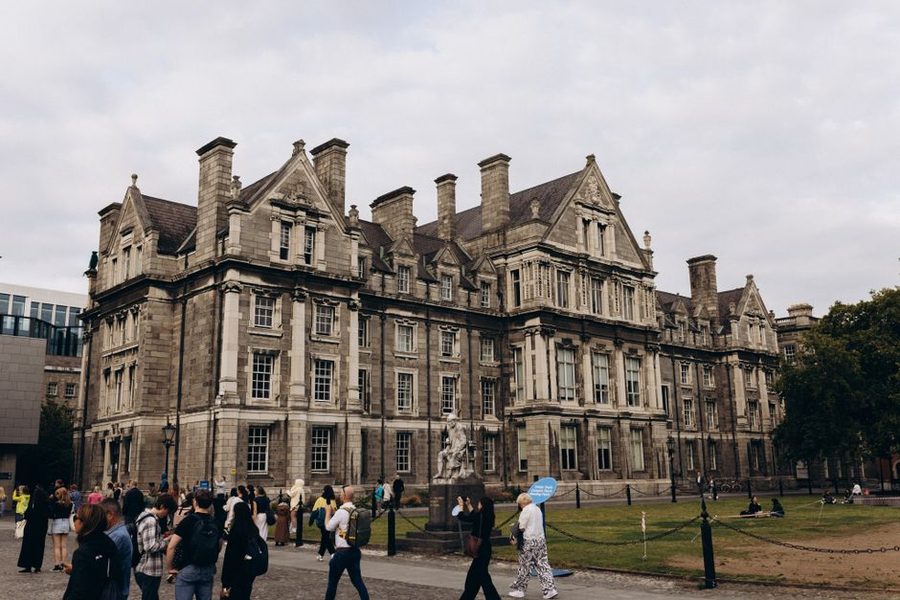
Looking for the best summer English course in Ireland? You'll find friendly, clear English in safe, walkable towns that are ideal for practice. Choose Dublin for energy, Galway for arts, Cork for a relaxed college vibe, or quieter Killarney and Sligo for nature-based immersion. Pick course length and intensity to match your goals, and weigh homestays, residences, or private rentals for budget and experience. Keep going and you'll uncover practical tips to compare schools, costs, and applications.
Highlights
- Prioritize accredited schools in Dublin, Galway, Cork, or Killarney with verified inspection reports and qualified teachers.
- Match course length and intensity to goals: 2-4 weeks for basics, 6-8 for steady improvement, 12+ for fluency.
- Choose accommodation (homestay, residence, private) balancing immersion, cost, and proximity to classes.
- Compare total costs including tuition, meals, excursions, insurance, and hidden fees before committing.
- Check student support services: arrival orientation, safeguarding, mental health access, and local cultural activities.
Why Choose Ireland for a Summer English Course
Because Ireland blends clear, friendly English with rich culture and safe, walkable towns, it's an ideal place to study over the summer. You'll find that cultural experiences are everywhere , music sessions, local festivals, and cozy cafes where conversations flow freely , so you can practice English naturally. Language immersion here means more than classroom drills; you'll use English to navigate streets, make friends, and join community events. If you want independence, Ireland lets you explore on your own terms: short hops to scenic coasts, spontaneous pub nights, or quiet study in a park. The environment supports confident learning without pressure, giving you both the freedom to choose your pace and the real-world practice that accelerates fluency.
Top Cities and Schools to Consider
When you pick a city in Ireland for a summer English course, think about the vibe you want,bustling Dublin for its cultural attractions and diverse schools, Galway for a lively arts scene and friendly student life, Cork for a more relaxed pace with strong college towns, and smaller towns like Killarney or Sligo if you prefer quieter immersion with easy access to nature. You'll want schools that match your freedom-seeking spirit: flexible schedules, social programs, and local immersion. Consider:
- Dublin , pick institutes near key Dublin attractions for urban energy and varied courses.
- Galway , choose schools that tap into Galway culture and vibrant student events.
- Cork/Killarney/Sligo , opt for intimate academies focused on conversation and outdoor activities.
Course Types, Durations, and Intensities Compared
You'll choose from courses lasting from one week to several months, so think about how much time you can commit. You can opt for full-time schedules with high contact hours or part-time options that fit around sightseeing or work. Compare weekly contact hours and lesson intensity to match your learning goals and energy level.
Course Length Options
Choosing the right course length comes down to your goals, availability, and how quickly you want to progress. You'll weigh short, intense bursts against longer, looser timelines that let you explore Ireland and practice naturally. Consider course duration and schools that advertise flexible scheduling so you can balance learning with adventure.
- 2-4 weeks: quick gains, immersive focus, ideal if you crave fast progress without long commitments.
- 6-8 weeks: steady improvement, time to absorb grammar and build confidence, still room for travel.
- 12+ weeks: deep development, habit formation, great if you want lasting change and freedom to set your own pace.
Pick a length that matches how much freedom and momentum you want.
Full-Time Vs Part-Time
Although full-time courses immerse you in English for several hours a day and part-time options fit study around work or travel, the right choice depends on how quickly you want progress, how much practice you'll get outside class, and how intense a schedule you can sustain. You'll pick full-time if you want rapid gains and structured immersion , full time benefits include faster development, routine speaking opportunities, and smoother placement into higher levels. Choose part-time if you value freedom: part time flexibility lets you balance sightseeing, work, or other learning. Think about your energy, social plans, and desire to explore Ireland between lessons. Either way, aim for clear goals and steady practice so your summer stays productive and liberating.
Intensity and Contact Hours
Courses vary widely in how many contact hours they offer each week, and that difference shapes how fast you'll improve and how much outside practice you'll need. You'll choose based on how much freedom you want: intense immersion or relaxed study with time for exploring Ireland. Look at intensity levels , part-time gives flexibility, full-time boosts progress, and intensive options compress learning.
- 10-15 contact hours , low intensity, great for sightseeing and work.
- 20-25 contact hours , medium intensity, balanced study and freedom.
- 30+ contact hours , high intensity, rapid gains, less free time.
Decide whether you want steady progress or quick improvement, then match course intensity and contact hours to your travel and personal goals.
Accommodation Options and Living Costs
When you arrive in Ireland for a summer English course, you'll find several accommodation styles to fit different budgets and comfort levels: homestays for immersive practice and meals included, student residences for social convenience, and private rentals if you want more independence. You'll choose based on how much freedom you want and how you manage living expenses. Homestays cut food costs and boost daily speaking, residences offer utilities and amenities bundled for easier budgeting, while private rooms or shared flats give control over location and routines but often mean higher bills. Consider transport links, proximity to classes, and whether utilities or cleaning are included. Compare weekly or monthly rates, factor in groceries, transport and social costs, and pick what fits your lifestyle.
Accreditation, Quality Assurance, and Student Support
When choosing a summer English course in Ireland, you'll want to check which accreditation bodies approve the school so you know it meets national and international standards. Ask about the centre's quality assurance processes,inspection reports, course monitoring, and teacher qualifications,to confirm consistent teaching standards. Also find out what student welfare services are offered, like orientation, counseling, and emergency support, so you'll be well looked after while you're here.
Accreditation Bodies Recognized
Because you'll want assurance that a school meets consistent standards, Irish summer English programs are overseen by several recognized accreditation and quality-assurance bodies that monitor teaching, safeguarding, and student support. You'll find these organizations set clear accreditation standards and quality benchmarks so you can choose a program that respects your independence and learning goals. Look for schools accredited by reputable national and international bodies; their seals mean you'll get regulated instruction, vetted homestays, and student welfare policies. Consider verification from:
- Quality and Qualifications Ireland (QQI) , national recognition and course validation.
- British Council or EAQUALS , international language-school standards and teacher training.
- Irish Department of Education registers or recognized private accreditation , local oversight and safeguarding.
These bodies help you pick a program that balances freedom with reliable protection.
Quality Assurance Processes
Although accreditation seals aren't the whole story, they give you a clear starting point to judge a program's consistency in teaching, safety, and student support. You should look for schools that publish their quality standards and show how external bodies verify them. That transparency lets you pick courses that match your need for independence and reliable outcomes.
Ask about evaluation methods: how often lessons are observed, who audits curricula, and how feedback from both teachers and students shapes changes. Good providers use measurable benchmarks, publish results, and act on reviews quickly. That keeps standards high without restricting your freedom to choose study intensity or extracurricular balance. Clear, documented processes mean you can trust the experience you sign up for.
Student Welfare Services
Student welfare services are the backbone of a safe, supportive summer course , they cover everything from health and safeguarding to pastoral care and emergency procedures, and they should be clearly documented alongside a school's accreditation and quality-assurance records. You want freedom to explore, so check that student support is proactive: clear arrival briefs, accessible staff, and emergency contacts. Mental health resources should be visible , counselling, referral pathways, and privacy-respecting care. Accreditation and QA evidence shows standards are met and audited. Compare policies so you can choose schools that respect autonomy while keeping you safe.
- Documented accreditation and QA reports
- On-site student support and safeguarding staff
- Mental health provisions and emergency plans
Activities, Cultural Immersion, and Excursions
When you join a summer English course in Ireland, you'll get more than classroom time , you'll take part in hands-on activities, local cultural experiences, and guided excursions that bring language learning to life. You'll explore cultural events like festivals, music sessions, and storytelling nights where you can practice conversation naturally. Day trips to castles, coastal walks, and markets let you learn vocabulary in context while keeping your schedule flexible. You'll meet locals, try traditional food, and join workshops that showcase local traditions,dance, crafts, and Gaelic phrases. These immersive options give you freedom to choose relaxed or active days, build confidence, and make friends. Pick programs with varied activities so every week feels like a new adventure.
How to Compare Prices, Scholarships, and Application Steps
Before you commit, compare total costs , tuition, accommodation, meals, excursions, insurance, and any registration or exam fees , so you know what's actually included and what's extra. You'll want a clear price comparison across schools, noting refund policies and currency exchange. Hunt for scholarship opportunities early; some programs offer partial grants or early-bird discounts. Apply only to programs that match your timeline and freedom to travel.
- List full costs and what's covered.
- Check deadlines, visa help, and required documents.
- Search and apply for scholarships, promo codes, and payment plans.
Compare application steps side-by-side, prepare clean documents, and keep copies. Choose the course that gives you flexibility, transparency, and financial clarity.
Some Questions Answered
Can I Work Part-Time While on a Summer English Course in Ireland?
Usually you can't work part-time while on a short summer course; Ireland's work regulations restrict most tourist/student visas. If you want student employment freedom, check your specific visa and course permissions before assuming you'll be allowed to work.
Are Visa Requirements Different for Short-Term Summer Courses?
About 56% of short-term visitors qualify for visa exemptions, so yes, visa requirements can differ by course duration. You'll want to check entry rules and permitted activities so you're free to plan travel, study, and leisure confidently.
Do Schools Offer Tailored Lessons for Business English Needs?
Yes , you'll find schools offering tailored lessons for business English needs, focusing on business communication and practical skills; they'll use language assessments to place you correctly and shape flexible, freedom-focused classes around your goals.
What Is the Average Class Size in Summer English Programs?
You'll typically find average class sizes of 10-15 students, which supports positive classroom dynamics and strong student engagement; smaller groups let you practice freely, interact more, and shape lessons toward your personal learning goals and independence.
Are Medical Insurance and Emergency Services Included in Fees?
Usually yes , think of a safety net gently tucked around you. You'll often get basic medical coverage included, while more extensive emergency assistance may be optional or extra; always check each program's specific terms and limits.
Summing Everything Up
Choosing Ireland for a summer English course gives you great value: over 150 accredited schools across the country mean plenty of options for every budget and interest. Pick a city and course intensity that match your goals, consider homestays or shared apartments, and look for verified accreditation and student support. Don't forget that 60% of students combine classes with organized cultural activities,so you'll improve your English while really experiencing Irish life.