Exploring How to Apply for a Student Visa for English Courses in Ireland: Tips and Insights
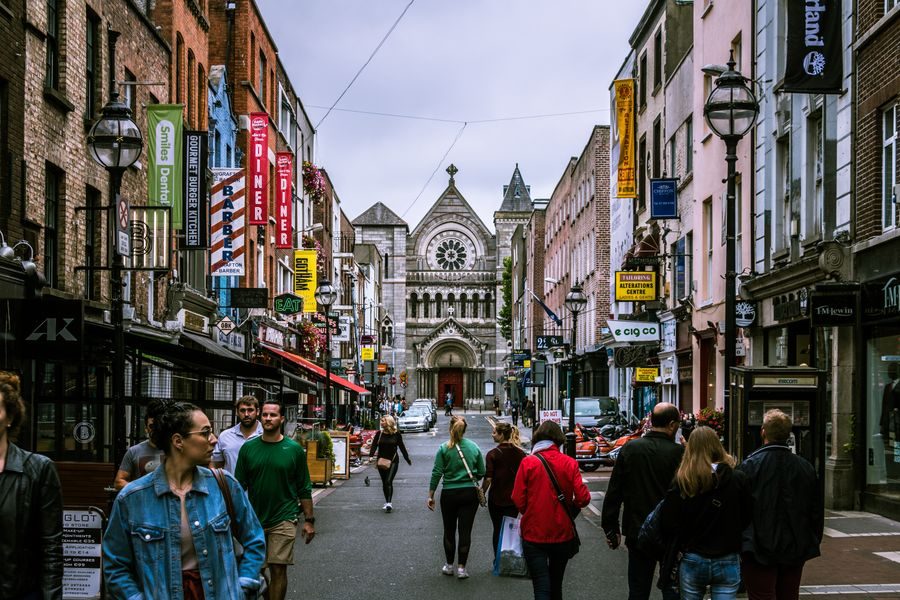
You'll find Ireland offers friendly, high-quality English courses that focus on practical speaking and cultural immersion. Start by choosing an approved provider with clear course dates, then check visa type and eligibility. Gather passport, photos, proof of funds, accommodation details, insurance and any translations. Book biometrics and an interview, bring originals plus copies, and prepare concise answers about your plans. Processing can take weeks, so plan travel and finances,keep going for step-by-step application tips and checklists.
Highlights
- Check eligibility and choose an approved English language provider with course dates matching the visa type.
- Prepare original ID, certified translations, passport photos, and neat photocopies of all documents.
- Show clear proof of funds: bank statements, sponsor letters, or scholarship confirmations and accommodation details.
- Book biometrics and interview appointments early, bring originals plus copies, and follow photo/fingerprint rules.
- Practice concise answers about your course, funding, and ties home, then track processing timelines and prepare backup plans.
Why Choose Ireland for English Language Study
Because Ireland blends high-quality teaching with a friendly, English-speaking environment, it's an excellent place to learn the language. You'll find courses that focus on practical skills, letting you speak confidently and independently. Beyond classrooms, cultural immersion will help you absorb idioms, rhythm, and humor naturally. You can choose study options that suit your pace, whether intensive or relaxed, keeping your autonomy intact. Local experiences , from chatting in cafes to joining community events , speed up fluency and make learning enjoyable. Ireland's compact cities and welcoming towns let you explore freely, practice daily, and form friendships that last. If you want space to grow and speak without pressure, Ireland offers the freedom and support you're seeking.
Eligibility Criteria for Student Visas for English Courses
Before you apply, you'll need to check a few key eligibility points: how long the course runs, what proof of funds you must show, and whether your academic or language background meets the school's requirements. Short-term courses may have different rules than longer programmes, so confirm the duration limits early. Make sure you can document finances and any required qualifications or prior English study before submitting your application.
Course Duration Limits
Most short-term English courses in Ireland must be under 25 weeks if you're applying for a standard student visa, and you'll need to show your course start and end dates on the acceptance letter. You should check course duration limits carefully so your stay matches the official visa validity and doesn't require extensions. If you want flexibility, pick programs that clearly state schedules and permit lawful part-time study options where allowed. Longer courses may need different visa types, so confirm with your provider and the Irish immigration service before booking. Keep documentation precise and readily available to demonstrate compliance at entry. This lets you travel and study with freedom, knowing your course fits legal timeframes.
Financial Proof Requirements
While you'll need to prove you can cover tuition, accommodation, and living costs for the duration of your English course, the exact evidence required depends on course length and visa type. You'll typically show bank statements, sponsorship letters, or scholarship award notices to demonstrate financial stability. If a family member supports you, include notarized affidavits and their financial records. For employer or government-funded programs, provide official funding sources confirmation. Short-term courses may accept recent savings; longer programmes often need several months of verified funds. Make copies of all documents, translated if necessary, and guarantee dates, amounts, and signatories match. Clear, well-organized proof lets you move freely toward study without delays or extra requests from immigration.
Academic and Language Background
If you're applying for an Irish student visa for an English course, immigration officials will check your academic and language background to confirm you're prepared for the program and that the course level matches your needs. You should demonstrate relevant academic qualifications , like school transcripts or diplomas , if requested, especially for longer or advanced courses. For most short general English programs, formal degrees aren't required, but clear records help. You'll also need evidence of language proficiency: test scores (IELTS, TOEFL) or a placement test from the language school can suffice. Be honest about your level so you enroll in a course that expands your skills without wasting time. Clear documentation speeds approval and keeps your travel plans free.
Selecting an Approved English Language Provider
When choosing an English language provider for your student visa, focus on schools that are on Ireland's list of approved course providers so your application meets immigration requirements and you don't waste time on ineligible programs. Pick providers with clear course accreditation and verified status among approved providers; that freedom to move, study, and work part-time depends on it. Check class size, flexible schedules, and student support so you can pursue learning on your terms. Below is a quick comparison to guide your decision:
| Feature | What to look for |
|---|---|
| Accreditation | National recognition, course accreditation |
| Visa support | Clear immigration assistance |
| Flexibility | Evening/intensive options |
| Student services | Housing, counseling, activities |
Required Documents for the Irish Student Visa Application
You'll need to provide clear proof of identity, such as a valid passport and passport-sized photos. You'll also have to show financial evidence that you can cover course fees, living costs, and return travel. Gather these documents early to avoid delays with your visa application.
Proof of Identity
Because your identity is the foundation of the visa application, you'll need to submit clear, official documents that prove who you are and your nationality. For identity verification, your passport is central: it must be valid for the duration of your stay and preferably several months beyond, with blank visa pages and legible biographic data. You'll also include a copy of the passport biodata page and any previous Irish or Schengen visas. If your name or details differ on supporting papers, add certified translations and legal name-change documents. Some applicants should provide national ID cards or birth certificates as secondary proof. Keep originals and neat photocopies ready; officials value straightforward, verifiable evidence that lets you move freely through the visa process.
Financial Evidence
Although proving you can cover tuition, living costs and travel is often the make-or-break part of your application, the supporting documents required are straightforward: bank statements, sponsor letters, scholarship award letters, and evidence of prepaid fees or accommodation. You'll show clear financial planning and budget management so authorities know you won't be a liability. Be concise: certified bank statements for the last six months, a signed sponsor letter with ID, scholarship confirmation, receipts for prepaid tuition or housing, and a simple cost breakdown.
| Document Type | Purpose | Tip |
|---|---|---|
| Bank statements | Proof of funds | Certified copies |
| Sponsor letter | Third-party support | Include ID |
| Scholarship letter | Fee coverage | Official stamp |
| Prepaid receipts | Paid costs | Keep originals |
| Cost breakdown | Budget plan | Be realistic |
How to Complete the Online Visa Application Step by Step
Once you've gathered your documents and decided which visa type you need, start the online application by creating an account on the Irish immigration portal and logging in,this gives you access to the form, payment options, and status tracking. Work methodically: complete personal details, course information, and travel history accurately, and double-check spelling to avoid delays. Use online application tips like saving drafts, uploading PDFs under size limits, and naming files clearly. Review the visa fee structure before payment so you're ready to pay by card or bank transfer. After submission, note your application ID, print the confirmation, and set calendar reminders for any appointments. Stay organized and you'll keep control of the process.
Proof of Funds, Accommodation, and Health Insurance Requirements
Before you submit your visa application, you'll need to show clear evidence that you can cover course fees, living costs, and any travel,this usually means bank statements, sponsor letters, or scholarship confirmations showing sufficient, maintained funds for the required period. You'll want tidy funds management: clear transactions, proof funds have been available for the required time, and explanations for any large deposits. For accommodation options, include bookings, host letters, or rental agreements showing your address and duration. Health insurance must cover medical expenses in Ireland for your stay; provide policy details, coverage limits, and contact info. Keep documents organized, certified if required, and ready to demonstrate you'll be self-reliant and free to pursue your studies.
Scheduling Appointments, Biometrics, and Interview Tips
When you're ready to apply, start by booking your visa appointment early , slots can fill quickly, especially during peak intake periods , and double-check whether you need to schedule separate biometrics and interview sessions, as some centers combine them while others don't. You'll want to choose a location and time that won't disrupt your plans; flexibility gives you freedom. For appointment scheduling, keep digital and printed confirmations, arrive 15-30 minutes early, and bring original documents plus copies. For biometrics, follow photo and fingerprint guidelines precisely to avoid delays. For interview preparation, rehearse concise answers about your course, funding, ties to home, and plans in Ireland. Stay calm, honest, and focused , confident brevity helps your case.
After Submission: Processing Times, Visa Decisions, and Pre-Departure Checklist
After you've submitted your application, expect a waiting period that can range from a few weeks to several months depending on the time of year, the visa office workload, and whether additional documents or checks are needed. While visa processing runs, track decision timelines online and stay reachable for requests or interviews. Use the pause to arrange flights, accommodation, and health insurance, and to copy important documents digitally and physically. Check entry requirements and any quarantine or testing rules current at travel. Prepare finances, a simple packing list, and contact details for your school and emergency services. If a decision is delayed, contact the visa office courteously for status. When approved, confirm travel plans swiftly; if refused, review reasons and consider appeal or reapplication.
Some Questions Answered
Can Family Members Accompany Me on a Short-Term English Course Visa?
No, you usually can't bring family on a short term visa for English courses; family travel is typically restricted, so you'll need separate visas or longer permits if you want dependents to join you and enjoy more freedom to stay together.
Can I Work Part-Time While on an English Language Course Visa?
Generally you can't work during short-term English courses in Ireland; part time regulations and work rights usually apply only to long-term students. Check your specific visa conditions and insist on freedom-minded options like longer courses that allow employment.
Does Doing Online English Study Affect My Visa Eligibility?
Like a compass, you'll find online study impact minimal if courses meet visa regulations and are full-time approved; you can't rely solely on remote learning for eligibility, so check course accreditation and immigration guidance before applying.
What Happens if My English Course Is Extended Mid-Stay?
If your English course is extended mid-stay, you'll need to start the visa extension process promptly; course duration implications may affect permission length, so you'll want to notify authorities and provide updated enrollment and funding documents to stay free to travel.
Can I Switch From an English Course Visa to a Different Irish Visa Type?
Sure , sometimes you can switch, subject to visa change options and eligibility criteria. Start by checking specific schemes, satisfy requirements, submit timely applications, and seek supplier support; you'll pursue preferred pathways for freedom and flexible futures.
Summing Everything Up
You're almost there , your documents are ready, the course is booked, and Ireland waits with its green promise. But before you board that plane, pause: did you double-check your proof of funds, insurance, and visa conditions? Small oversights can change everything. Take a breath, review every detail one last time, and feel the flutter of possibility , because once that visa lands, a new chapter begins, and you won't want to miss a single moment.