Exploring Ireland English Courses for International Students: Tips and Insights
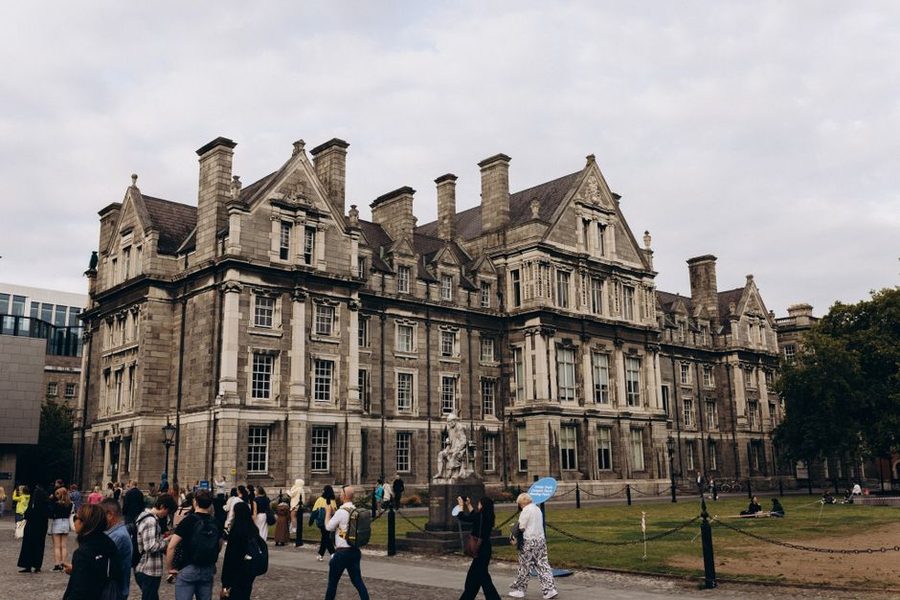
Ireland's friendly cities and clear accents make it an ideal place to boost your English. You can choose intensive classes, exam prep, business English or blended immersion programs that mix culture and conversation. Compare schools by accreditation, class size, and support services, and pick smaller cities like Cork or Galway to lower costs. Prepare visas, documents, and basic health items before you go, and try local meetups and part-time work to practice daily , keep going to discover practical steps and tips.
Highlights
- Choose accredited schools with small classes, qualified teachers, and clear course descriptions to ensure quality learning and progress tracking.
- Compare course types (intensive, exam prep, academic, business, immersion) to match your goals, schedule, and long-term plans.
- Check visa requirements, application timelines, and required documents early to avoid delays and ensure eligibility.
- Pick affordable student cities like Cork, Limerick, or Galway and use shared housing, student discounts, and cooking to save money.
- Prepare essential documents, travel insurance, prescriptions, and join cultural activities to integrate and practice English daily.
Why Choose Ireland for English Language Study
If you want to improve your English in a friendly, immersive setting, Ireland is a great choice: its clear accents, lively student cities, and strong cultural traditions make learning both effective and enjoyable. You'll find language immersion woven into daily life , in cafes, markets, and conversation clubs , so you can practice naturally without feeling confined to classrooms. You'll enjoy cultural experiences like music sessions, festivals, and local storytelling that broaden your vocabulary and confidence. The relaxed pace and welcoming people let you explore at your own rhythm, giving you freedom to choose intensive study or casual practice. Overall, Ireland offers practical, enjoyable ways to sharpen your English while living freely and engaging fully with culture.
Types of English Courses Available for International Students
When you start looking for English courses in Ireland, you'll find a wide range to suit different goals,intensive general English, exam preparation (like IELTS or Cambridge), academic English for university entry, business English, and shorter conversation or holiday programs. You can pick immersive immersion programs that blend language with cultural exchange, letting you live and learn with locals. If you need flexibility, online courses offer structured lessons and self-paced study, while hybrid options mix classroom time with digital practice. For career-focused learners, business english hones workplace vocabulary and presentation skills. academic english prepares you for essays and lectures, and exam preparation targets test techniques. If you want relaxed progress, seek small-group conversation practice to boost fluency and confidence.
How to Compare Language Schools Quickly and Effectively
With your goals and course types clear, narrowing down schools fast means focusing on a few high-impact comparisons: accreditation, class size and teacher qualifications, course content and schedules, student support services (visa help, accommodation, social activities), and transparent fees and refund policies. Next, scan language school reviews to spot consistent praise or recurring complaints , they reveal real strengths and traps. Use a simple course comparison grid: price, hours per week, level progression, assessment method, and extra support. Prioritize schools offering flexible start dates and modular schedules if you value mobility. Contact admissions with targeted questions; fast, clear replies indicate responsive support. Finally, trust patterns over single ratings, and choose the school that best matches your need for independence.
Affordable City Choices and Cost-Saving Strategies
Looking for ways to study in Ireland without overspending? You can choose cities that balance affordable living and vibrant student life. Think beyond Dublin , cities like Cork, Limerick, and Galway offer lower rent, lively culture, and easier budget travel options. Embrace shared housing, cycle or walk, and sample local cuisine at markets to save money while enjoying freedom.
- Choose smaller cities for lower rent and shorter commutes.
- Use student discounts, buy weekly groceries, and cook local cuisine.
- Combine part-time work with flexible study hours and cheap transport passes.
You'll keep costs down without sacrificing experiences. Plan smart, stay curious, and prioritize places that give you autonomy and value.
Visa and Enrollment Steps for Short and Long Courses
Before you book, check the visa requirements for short and long courses , eligibility, length of stay limits, and any financial proof you'll need. You'll also want to confirm enrollment timelines and prepare required documents like acceptance letters, passport copies, and proof of accommodation. Starting these steps early will prevent last-minute issues and help you meet deadlines.
Visa Requirements Overview
Need help with visas? You'll want to know the basic visa types and the application process so you can choose freedom-friendly study options. Short courses often only need a short-stay or visa-exempt status; longer programs usually require a D-type student visa. Prepare clear evidence of finances, course acceptance, and travel plans, and follow the online application process precisely.
- Check which visa types fit your course length and purpose.
- Start the application process early, gathering bank statements, passport, and acceptance letter.
- Keep copies and be ready to show proof of accommodation and insurance.
Stay proactive, expect simple checks, and don't let bureaucratic steps block your plans to study and explore.
Enrollment Timelines and Documents
If you're planning to study in Ireland, get your timelines and documents in order early so visa and enrollment steps don't overlap or cause delays. Whether your course is short or long, map the enrollment process against visa processing times and university start dates. Short courses often need quicker decisions and fewer documents, while longer programmes require more lead time and official transcripts. Create a document checklist: passport, acceptance letter, proof of funds, health insurance, and any English proficiency results. Apply early, book appointments, and keep digital and printed copies to move freely through bureaucracy. Stay aware of conditional offers that require additional paperwork, and contact admissions if anything's unclear so you can embrace study abroad with confidence.
Finding Student-Friendly Accommodation Fast
Where do you start when you need student-friendly accommodation fast? You'll want options that match your budget and vibe , think affordable housing near lively student communities so you can live freely and connect quickly. Use official university boards, trusted housing platforms, and local Facebook groups to scan listings, then move fast when you find a fit.
- Check university noticeboards and official student housing services for vetted rooms.
- Use trusted platforms with reviews to shortlist affordable housing options near campus.
- Join local student communities online to spot sublets, flatshares, and quick leads.
Trust your instincts, prioritise safety and location, and be ready to sign or visit immediately when a good place appears.
Practical Tips to Improve English Outside the Classroom
Outside the classroom, you'll make the fastest progress by using English every day: listen to podcasts or radio in the morning, switch your phone and social apps to English, and practise speaking with classmates or language-exchange partners so new words and grammar stick. Choose freedom-friendly habits: walk in town listening to local podcasts, join community events for local immersion, and bring a pocket notebook for fresh phrases. Use language exchange apps to schedule short, regular chats and swap feedback. Seek relaxed settings , cafes, study groups, or hikes , where speaking feels natural, not tested. Set small goals: order in English, ask directions, or tell a short story. Consistency, curiosity, and playful risk-taking speed up real-world fluency.
Work Rights, Part-Time Jobs, and Earning While Studying
When you're studying in Ireland you'll have specific student visa work limits to follow, so check how many hours you're allowed each week. Use that allowance to look for part-time roles that fit your schedule and help cover expenses. We'll cover where to search and tips for balancing work with classes.
Student Visa Work Limits
If you're planning to study English in Ireland, you'll want to understand the work rules tied to your student visa so you can balance study and earning without risking your immigration status. You'll need to follow student visa regulations and be aware of work permit restrictions that affect hours, types of work, and eligibility. Know that limits protect your studies but still let you earn.
- Check weekly hour limits during term and full-time allowances on breaks.
- Confirm whether your course level or visa stamp permits work and note any sector exclusions.
- Keep records of hours and contracts to prove compliance if asked.
Stay informed so you can enjoy freedom to work without jeopardizing your studies.
Finding Part-Time Roles
Because you'll want to earn without compromising your studies, start by checking exactly what your visa allows and which part-time roles are common for international students , hospitality, retail, tutoring, and campus jobs are good places to look. You'll want flexible hours, fair pay, and work that won't drain your energy. Use university job boards and local classifieds to narrow your job search, and tailor your CV to short-shift roles. Attend career fairs and social events for networking opportunities; informal chats can lead to gigs and references. Consider freelancing or online tutoring if you crave control over your schedule. Keep taxes and minimum wage rules in mind, track hours carefully, and balance earning with study so you retain freedom and focus.
Cultural Integration: Making Friends and Building Networks
Although adjusting to a new culture can feel challenging, you'll find making friends in Ireland is easier than you might expect , Irish people are generally friendly, chatty, and happy to include newcomers. You'll want to get out to cultural events and seek networking opportunities so you can meet locals and other internationals. Embrace casual conversations in cafes, pubs, and campus hubs; be open, curious, and authentic. Volunteering or joining clubs gives freedom to explore interests while building bonds. Keep contact details and follow up , a quick message can turn an acquaintance into a friend.
- Attend festivals and campus activities.
- Join interest groups and volunteer teams.
- Use social apps and follow-up meetups.
Essential Documents and Checklists Before Departure
Before you travel to Ireland, make sure your passport and visa are valid and easily accessible. Gather academic records, course confirmations, and any enrollment letters you'll need at arrival. Also pack health documents, travel insurance details, prescriptions, and a concise checklist of essentials.
Passport and Visa
Wondering what travel documents you absolutely need to study English in Ireland? You'll want to confirm passport validity , many countries require at least six months beyond your stay , and start visa processing early so you're free to plan. Keep originals and digital copies accessible, and check entry rules based on your nationality.
- Passport: confirm expiration date and renew if it's within required months.
- Visa: apply well ahead, track visa processing timelines, and save your approval letter.
- Travel copies: photocopies and encrypted cloud backups of passport, visa, and emergency contacts.
Being prepared gives you the freedom to focus on courses and life in Ireland, not last-minute paperwork.
Academic and Course Documents
When you're packing for your English course in Ireland, make sure you've collected all academic documents so enrollment, class placement, and any credit transfers go smoothly: bring your acceptance letter, course confirmation, proof of payment or scholarship, transcripts or certificates of prior study, and any placement test results or language assessments. You'll also want a clear checklist of academic requirements from your school , that keeps things simple and fast when you arrive. Check whether your course accreditation needs extra paperwork or notarised copies, and keep originals and digital scans accessible. If you're aiming to transfer credits or join advanced classes, email your coordinator ahead to confirm what they accept. Organise documents in a secure folder so you can move freely without admin hassles.
Health and Travel Essentials
As you get your academic papers in order, don't forget to pack health and travel essentials that'll keep you covered abroad: bring your passport and visa (plus photocopies and digital backups), travel and health insurance details, an up-to-date vaccination record, any prescribed medications with prescriptions, emergency contact info, and a basic medical kit; keep these documents and items together in an easy-to-access folder or pouch so you're ready for check-in, border control, or a doctor's visit without scrambling. You'll want practical freedom: quick access to proof of health insurance and travel insurance, clear medication labels, and local emergency numbers. Prepare simple copies and scan everything to your cloud. Carry small cash, a travel adapter, and a SIM or eSIM for independence.
- Pack originals and digital backups
- Keep prescriptions and vaccination proof
- Confirm insurance contacts are reachable
Some Questions Answered
Are Language Courses in Ireland Accredited by International Bodies Like EAQUALS?
Yes , some language courses in Ireland are accredited by international bodies like Eaquals, and you'll find accreditation standards and quality assurance vary, so pick providers committed to transparent standards if you want reliable, free-choice learning.
Can I Transfer Course Credits to Universities Outside Ireland?
Sometimes you can, but it depends , investigate accreditation and course equivalence to build confidence and rhythm; if credits align with international universities' requirements and your transcripts match, you'll retain freedom to continue studies abroad.
Are There Specialized English Courses for Medical or Legal Professionals?
Yes , you can find specialized English courses for medical and legal professionals that focus on medical terminology and legal jargon, letting you freely master sector-specific communication, negotiate professional standards, and boost confidence in international practice.
Do Language Schools Offer Guaranteed Internship Placements After Courses?
No, schools rarely guarantee internships; only about 30% offer formal placements. You'll find internship opportunities vary widely, so read student testimonials, choose flexible programs, and negotiate placement support that preserves your independence and travel freedom.
Are There Refund Policies for Courses Canceled Due to Travel Restrictions?
Yes , you're often eligible for refunds or credits; check each school's refund eligibility and cancellation procedures carefully, negotiate flexible terms, and request written confirmation so you retain freedom to rebook, transfer, or reclaim fees if restrictions occur.
Summing Everything Up
You've picked a brilliant place to sharpen your English , Ireland's warmth and buzz will wrap around you like a friendly blanket. By choosing the right course, budgeting smart, and learning beyond class, you'll grow fast. Don't forget visas, documents, and work rules, and immerse yourself in local life to make real connections. With patience and curiosity, your language skills and confidence will bloom, opening doors you didn't even know existed.