
Top Student Jobs in Ireland While Studying English
Study English In Ireland
February 26, 2026

While studying English in Ireland you can pick flexible, student-friendly jobs like retail, cafés or barista shifts, campus roles (library, admin, student ambassador), tutoring or conversation coaching, babysitting/au pair work, gig deliveries, and freelance writing or transcription. Hospitality often brings tips, retail gives steady hours and discounts, campus work fits term-time schedules, and tutoring pays well per hour. Volunteer roles build skills and networks. Scroll on to find details, pay expectations and how to apply.
Part-time retail jobs are a common, flexible way for students in Ireland to earn money while studying — you can work evenings, weekends or short shifts between lectures. You’ll find roles in fashion retail that suit your style and schedule, from trend-led stores to local boutiques. These gigs sharpen practical skills fast: stock management, visual merchandising, and efficient customer service that keeps people coming back. You’ll set boundaries, choose shifts that free up study time, and still build a CV that stands out. Wages are predictable, tips are rare, but flexible hours and staff discounts give you lifestyle perks. If you want autonomy and social work without long commitments, retail fits neatly into student life.
You’ll find hospitality and barista roles are among the most flexible student jobs in Ireland, letting you pick shifts around lectures while earning cash plus tips in many venues. You can work evenings or weekends, build social networks, and hone customer service skills that suit a free lifestyle. Focus on hospitality tips like friendly upselling, fast service, and remembering regulars’ orders to boost earnings. Compare barista pay: cafe wages vary by city and experience, with tips often making a meaningful difference to hourly income. If you value variety, you’ll enjoy busy shifts, events, and seasonal work. Be clear about expected hours, tip distribution, and whether training is paid before you accept a role.
On campus you can find roles like library assistant, student ambassador, research support, and catering or admin positions that fit varied schedules. Before you apply, check your registration status and, if you’re an international student, your visa conditions to confirm how many hours you’re allowed to work. Knowing both the role and the work-eligibility rules will help you pick jobs that won’t conflict with studies or immigration limits.
Many campuses offer a range of on‑site jobs—from library assistants and lab attendants to campus shop staff and student ambassadors—so you can earn while staying close to classes; eligibility usually depends on your student status, work‑study program enrollment, and any visa restrictions. You’ll find student employment that fits a flexible lifestyle: tutoring, IT helpdesk, event crew, café shifts, research assistant roles, and fitness center duties. These posts let you control hours, gain practical skills, and access campus resources like training and mentorship. Apply through your student portal or career office, highlight reliable availability, and ask about shifts that won’t clash with study or travel plans. Choose roles that boost independence, build networks, and keep you grounded on campus.
Because campus jobs often come with specific rules tied to your student status and visa, it’s important to know what you’re allowed to do before applying. You’ll want to check whether your student visa allows on-campus work or if you need a work permit for off-campus roles. Know hourly limits, tax obligations, and whether roles affect full-time enrolment. Stay independent but compliant: confirm rules with your college international office and the immigration service so you can balance work and study without risking status.
| Topic | What to check |
|---|---|
| Eligibility | Visa conditions, hourly caps |
| Work permit | When it’s required |
| Taxes | PAYE registration |
| Enrollment | Must remain full-time |
If you enjoy helping others and have strong language skills, tutoring or running English conversation sessions is one of the most flexible student jobs in Ireland; you can earn good pay per hour, set your own schedule, and build teaching experience while studying. You’ll choose where and when you work, tailoring sessions to learners’ goals. Use practical tutoring techniques—goal setting, error correction, and focused drills—to boost progress quickly. For conversation classes, apply conversation strategies like prompts, role-plays, and topic-based discussions to keep things natural and engaging. You can teach online or locally, advertise on campus boards or tutoring platforms, and charge rates that match your experience. This job gives autonomy, steady income, and valuable skills without fixed shifts.

Alongside tutoring, childcare jobs are another flexible way to earn while studying—babysitting and au pair roles suit students who want regular hours or evening/weekend gigs that fit around classes. You can pick shifts that give you freedom: short evening babysitting stints, weekend cover, or live-out au pair work with set weekly hours. Babysitting rates vary by city and experience, so check local listings and ask for a trial to set fair pay; aim to negotiate clear start/end times and travel costs. As an au pair you’ll take on au pair responsibilities like childcare, light housework, and helping with meals in exchange for room, board, and pocket money. Keep contracts simple and protect your study time.
When the tourism season heats up and festivals fill weekends across Ireland, you’ll find plenty of short-term roles—from bar and food service at music and food festivals to stewarding, ticketing, and pop-up retail at sporting and cultural events. You can chase freedom, pick shifts that suit study, and earn extra cash while meeting people from everywhere. A festivals overview helps you spot reliable organisers and roles that pay or include perks like meals and camping. Seasonal opportunities often need flexible availability, quick training, and good communication skills. Check local event listings, student job boards, and social media groups to grab roles fast.
Pick flexible festival shifts across Ireland — bars, stewarding, pop-up retail or setup, with pay, perks and quick training.
If you’re studying at a university, check whether they offer credited internships that connect you with local businesses and NGOs. You can also ask your language school about work-placement options—many partner with schools, hostels, or customer service roles to give practical experience. Both routes can build your resume and improve your English in real workplace settings.
Many universities in Ireland offer internship and work‑placement programs that connect ESL students with local employers, giving you structured, credit-bearing opportunities to build language skills and professional experience. You’ll tap into university connections and enjoy clear internship benefits: tailored placements, mentoring, and CV-ready projects that respect your study schedule. These roles let you practice real English in offices, startups, or NGOs while keeping flexible hours so you can explore Ireland.
Choose internships that match your goals so you stay free to learn and roam.
Alongside university placements, language schools offer another practical route for ESL students to get workplace experience while sharpening English. You can teach conversation classes, assist with administration, or support marketing, all while enjoying flexible hours that suit your need for freedom. Placements often include language exchange sessions where you both learn and teach, boosting confidence and resume-ready skills. You’ll gain real-world customer service experience, lesson-planning insight, and feedback from experienced tutors without being tied down. Cultural immersion is built in — you’ll work with international students, join outings, and pick up local idioms naturally. If you want practical, low-commitment work that accelerates fluency and opens doors, language-school placements are a smart, liberating choice.
When you take a gig delivering food or parcels, you get flexibility to set your hours and pick shifts around lectures and study time, but you also shoulder unpredictable pay, no employee benefits, and extra costs like fuel or bike repairs. You’ll love the freedom and flexibility benefits: choose busy slots, work dawn or late, and fit earnings around study. But weigh income stability; tips and demand vary, so plan a buffer.

You can pick up remote writing gigs that let you work on articles, marketing copy, or social media content from anywhere. Audio transcription roles are another option if you’ve got good listening skills and fast typing. Both let you set flexible hours around classes and exams.
Looking for flexible work you can do from your laptop? You can tap into remote writing and freelance opportunities that fit your schedule, letting you earn while you travel, study, or relax. Focus on clear niches, set hourly or per-piece rates, and build a portfolio that shows your voice.
Be flexible, value your time, and scale up when you’re ready.
If freelance writing suits your schedule, audio transcription is a natural next step that uses the same listening and language skills but pays per audio minute or hour. You can work anywhere, set your hours, and take gigs that match your pace—interviews, lectures, podcasts. Build audio transcription skills by practicing accuracy, fast typing, and formatting; clients value timestamps, speaker labels, and clean verbatim or edited transcripts. Use transcription software tools to boost speed—playback controllers, foot pedals, and AI-assisted drafts you’ll always proofread. Start on marketplaces or niche academic platforms, pick clear rate structures, and protect your time with realistic turnaround windows. With discipline, this role gives steady income without sacrificing your freedom.
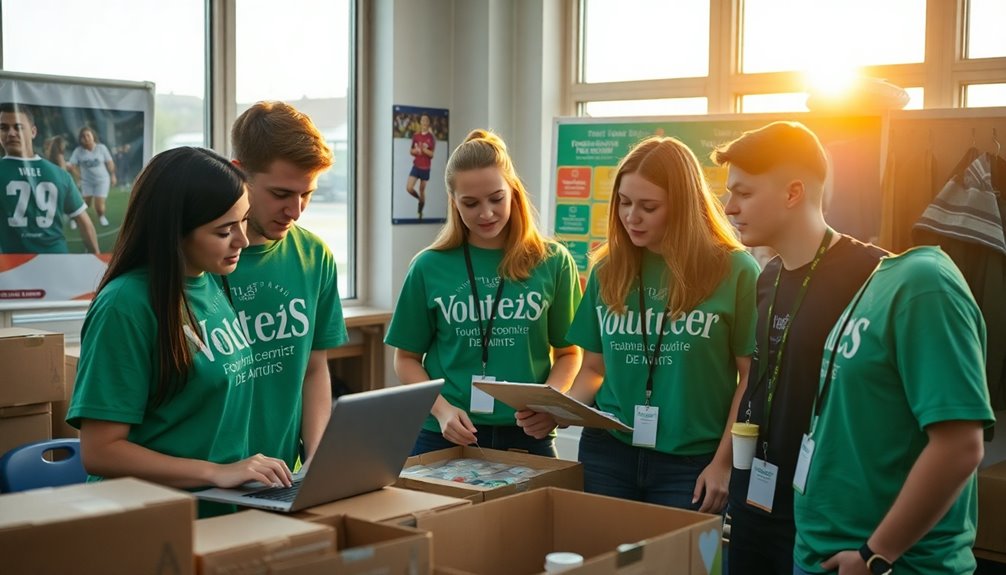
Because volunteering gives you real-world experience and contacts, it’s one of the quickest ways to build employable skills while studying in Ireland. You’ll join community outreach projects that boost your CV and accelerate skill development, all while choosing when and how you give time. Volunteering fits a freedom-first lifestyle: you pick causes, set modest commitments, and grow networks without long-term ties.
Volunteering builds real-world skills, grows your network, and boosts your CV — all with flexible, short-term commitments.
These roles sharpen transferable skills, expand networks, and make future job hunting easier.
No, you can’t work more than 20 hours weekly during term; work regulations and immigration policies restrict term-time hours for most student visas, though you’re free to work extra during official holidays and breaks.
Yes — some employers will sponsor a work visa after graduation, but you’ll need in-demand skills and the right role; employer sponsorship isn’t guaranteed, so be proactive, network broadly, and target firms that value international talent and freedom.
Yes — you’ll have tax obligations: you must complete tax registration and pay income tax on earnings. To get an Irish PPS number, apply online or at your local Intreo/JobPath office with ID and proof of address.
A friend once landed a café role like a passport stamp; you’ll show language certifications, use confident interview techniques, highlight practical examples and volunteering, and frame fluency as freedom to connect—so employers see capability, not just credentials.
Yes — your student earnings can affect eligibility: scholarship criteria often consider income and assets, and financial aid limits may cap allowable earnings, so you’ll want to report income and plan work to stay within aid thresholds for freedom.