
Best Galway Neighborhoods for English-Learning Students FAQs
Study English In Ireland
January 1, 2026

If you’re studying English in Galway, choose areas that balance safety, short commutes, and social life. The city centre and Salthill put you near schools, cafés, and jobs but cost more. Claddagh, Renmore, and Knocknacarra offer cheaper shared flats and good bus links. Look for well-lit streets, study-friendly cafés, and reliable landlords. Prioritise proximity to libraries and healthcare for peace of mind. Keep going and you’ll get neighborhood comparisons, costs, and tips.
If you’re moving to Galway to study English, choosing the right neighborhood can make a big difference in your daily life — from commute time to social opportunities. You’ll want areas that balance safety, convenience, and a welcoming atmosphere. Look for student housing options near city center streets for short walks to cafés, libraries, and language schools, but also consider quieter residential zones if you need focused study time. Neighborhoods with good street lighting, regular bus routes, and visible community services help you feel secure. Don’t miss spots where you can try local cuisine after class; shared meals are a great way to meet people and practice English. When touring places, check locks, nearby amenities, and noise levels at different times. Ask current students about landlords and neighborhood safety. With thoughtful choices you’ll have a comfortable base that supports study, social life, and peace of mind.
Now that you’ve thought about safety, commute and social spots, let’s focus on neighborhoods that put you within easy reach of Galway’s main language schools. Choose areas like the city centre, Salthill and Claddagh for short walks to lessons, which gives you time to study and relax without long commutes. These neighborhoods offer safe streets, well-lit routes and frequent transport if you need it.
Living close to a school makes language immersion part of your daily routine — you’ll get extra practice before and after class. Look for neighborhoods with cafés, libraries and small parks where conversation flows; those spots support community engagement and safer, structured socializing. Ask schools about recommended streets or landlord references, and prioritize ground-floor or well-secured flats if safety matters to you. Ultimately, pick a neighborhood that balances proximity, calm evenings and opportunities to meet fellow learners so your study life and wellbeing both thrive.
When you’re watching your budget, areas like Moycullen Road, the Claddagh and parts of Knocknacarra are worth checking out for student-friendly housing; they tend to have lower rents, shared flats and easy bus links into the city and schools. You’ll find a mix of affordable housing options — rooms in private homes, multi-bedroom flats and modest apartments — that keep monthly costs down without sacrificing access to essentials. Look for listings near bus stops and local shops so you won’t need long commutes, and ask landlords about included bills to avoid surprises. Make use of student resources like college accommodation offices, community noticeboards and Facebook groups to find vetted roommates and sublets. When visiting properties, check locks, lighting and neighborhood activity; trust your instincts and don’t rush into a lease. If you need extra help, community centers and school advisors can point you to reliable options and support services to help you settle in safely.
Where should you look if safety’s your top priority? Start with neighborhoods known for strong neighborhood safety records and visible community support — areas near parks, schools, and local services tend to be calmer and better lit at night. You’ll want to check crime statistics, street lighting, and proximity to emergency services, but also talk to current residents and school staff to gauge everyday safety.
Choose streets with regular foot traffic and clear signage; quiet cul-de-sacs can be safe but may feel isolated after dark. Look for housing managed by reputable landlords or student accommodation with secure entry systems and on-site staff. Community support groups, local clubs, and active residents’ associations add an extra layer of reassurance and practical help if you ever need it.
Trust your instincts during visits: if a place feels well-kept and people seem friendly, that’s a good sign. Prioritize clear lines of communication with landlords and neighbors so you’ll feel secure while studying and living in Galway.
If safety and community support are your foundation, you’ll probably want to balance that with areas that offer a lively student scene — places where you can meet classmates, join clubs, and take part in events after class. In Galway, look for neighborhoods near the university and language schools where bustle and security coexist: you’ll find well-lit streets, regular transport, and active community policing alongside cafés and student hubs. These areas host student clubs and frequent cultural events, giving you low-pressure ways to practice English, make friends, and explore local life. Choose streets with mixed housing and visible daytime activity; shared flats and student residences add a sense of company without sacrificing safety. Ask fellow students about evening routines, and check that nearby amenities—grocery stores, pharmacies, and transit—stay open late. By prioritizing neighborhoods that combine safety with sociable spots, you’ll get both peace of mind and chances to connect after class.
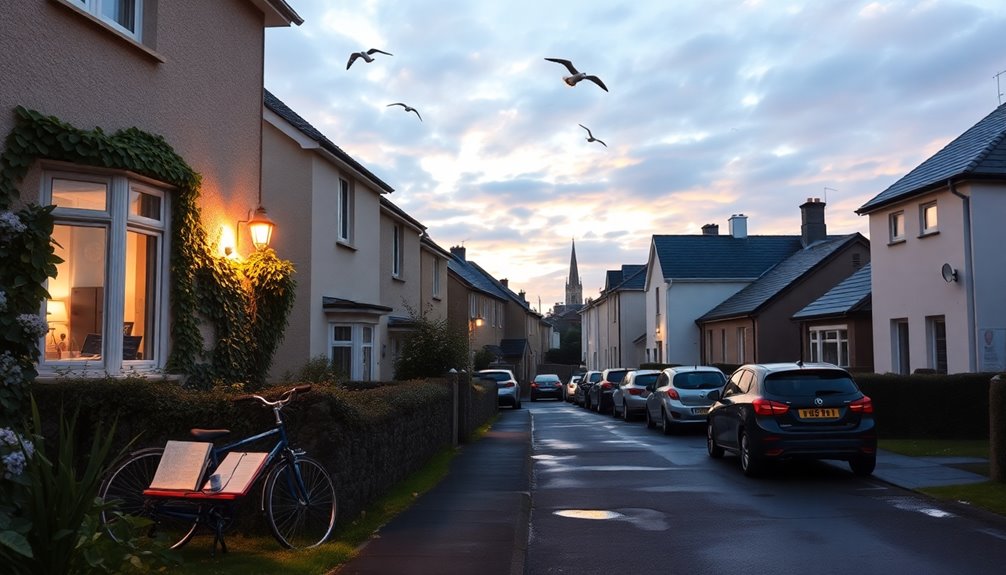
Although you’ll want chances to socialize, choosing a quieter neighborhood can make it much easier to focus on studies and rest between classes. You’ll find areas in Galway that offer calm streets, low noise levels, and a community feel that supports concentration. Look for neighborhoods with small parks, reliable lighting, and local shops so you don’t have to travel far for essentials—these features help create supportive study environments where you can work without constant interruptions.
When choosing, prioritize safety: well-lit sidewalks, visible neighbors, and secure housing options. Ask landlords about average noise levels and check online reviews for comments on tranquility. If you need silence for reading or online classes, consider housing near green spaces or residential streets rather than commercial hubs. Peaceful locations also tend to have stable, friendly communities that make it easier to relax after class and maintain productive routines.
Because getting around quickly saves time for study and social life, pick neighborhoods with frequent bus routes and nearby train or shuttle connections so you won’t be stuck relying on taxis. You’ll want areas where public transport options run reliably through the day and into the evening, giving you safe, predictable ways to return from classes or outings. Check timetables and stop proximity so you’re not walking late at night; well-lit stops and sheltered waiting areas add security. Accessibility benefits include easier access to campus, supermarkets, and healthcare without needing a car, which keeps costs down and reduces stress. Look for neighborhoods served by multiple routes—if one service is delayed, another can get you home. Ask locals or student services about winter schedules and loop services for quieter streets. Choosing a transport-friendly area helps you balance study time, part-time work, and socializing while feeling secure and independent.
Good transport links get you where you need to be, and living near Galway’s cultural hubs adds another layer to your student experience. You’ll find neighborhoods like the Latin Quarter and Salthill put museums, theaters, and live-music venues within easy walking distance, so you can attend cultural festivals without long commutes. These areas tend to feel safe, well-lit at night, and busy enough to give you confidence when you explore after class.
Choose a spot close to cafés and markets that showcase local cuisine; that makes practicing English with locals simple and enjoyable. Look for flats on quieter streets adjacent to main cultural thoroughfares — you’ll balance access to events with restful evenings. Check reviews, visit at different times, and ask current students about noise and safety. By prioritizing proximity to attractions while confirming secure, calm surroundings, you’ll get the most from Galway’s rich cultural life while keeping your day-to-day living comfortable and safe.
If you want easy access to part-time work while studying, pick neighborhoods where shops, cafés, and tourist spots cluster — areas like the city centre, Salthill promenade, and near Eyre Square often have regular openings for bar, retail, and hospitality roles. You’ll find lively student job markets there, with flexible shifts that suit class schedules. Pick a place with good lighting, reliable transport, and visible storefronts so you can feel safe getting to and from work late.
Talk to local language schools, notice boards, and community centers; strong community engagement often leads to word-of-mouth jobs and trusted recommendations. If you prefer quieter areas, look for nearby hubs where employers hire students rather than isolated streets. Before accepting work, confirm hours, pay, and employer reputation — and ask peers or school staff for references. Balancing study and work is doable if you choose a neighborhood that supports both, keeps you connected, and helps you stay safe.
When you’re choosing where to live in Galway, weighing cost, amenities, and atmosphere together will make it easier to find a neighborhood that fits your study and lifestyle needs; rent and living costs, proximity to cafés or libraries, and the general vibe—from lively student hubs to quieter residential streets—play equally important roles in daily life. Start with a simple cost comparison: city center areas and Salthill are pricier but cut commuting time and put you near cafés, parks, and transport. Suburbs like Renmore or Knocknacarra tend to be cheaper, quieter, and family-oriented, with reliable bus links. For amenities, check proximity to study-friendly cafés, libraries, grocery stores, and healthcare—these affect daily comfort and safety. For atmosphere evaluation, decide if you want active social scenes or peaceful streets for focused study. Visit neighborhoods at different times, ask current students about safety, and prioritize a balance that keeps you secure, comfortable, and able to focus on learning.
You’ll access local healthcare through campus clinics, nearby GP practices and public hospitals, and you’ll need international insurance to cover costs and prescriptions. Most students register with a GP for routine care; emergency services are available at hospitals. Bring your insurance documents and any medical history, and ask student services to help register you and find English-speaking providers. That keeps your healthcare access smooth and secure while you study.
Yes — you can bring a bicycle, and plenty of students do. You’ll find bike rentals if you need a temporary ride, plus secure bike storage in some student residences, bike lockers at train/bus stations, and paid rooms in multi-storey car parks. Stick to marked cycling routes and wear a helmet and lights for safety. Register and lock your bike with a quality U-lock, and consider insurance for theft or damage.
Yes — you’ll find options nearby. Imagine a friendly market as a lighthouse guiding you to vegetarian restaurants and halal markets; it keeps you safe and nourished. You can easily spot vegetarian restaurants offering hearty, familiar dishes, and halal markets stocking trusted meats and staples. Stay on well-lit streets, ask locals for recommended shops, and use online reviews to confirm hours and safety. You’ll feel secure while exploring food choices.
In Galway, Vodafone and Three generally offer the best coverage quality, with Eir also competitive in many areas — check mobile network comparison maps before choosing. You’ll want signal strength, reliable data and emergency access, so test local reception in neighborhoods you’ll frequent. Buy a pay-as-you-go SIM to try providers safely, then switch once you confirm consistent coverage and speed for calls, texts and mobile data.
You’ll follow building recycling policies and local waste schedules: most student accommodations sort recyclables (paper, plastics, glass) into labeled bins and food/general waste into others. Staff or notices tell you pick-up days and where to leave bags safely. Don’t put sharps or hazardous items in communal bins; ask management about bulky-item collection. Stick to the rules, secure bags to prevent pests, and report missed collections so it’s handled promptly.
You’ve seen Galway’s top spots for English learners — from lively student hubs to quiet, affordable districts with good transport and job options. Pick a neighborhood that matches your budget, school location, and social vibe; safety and access to culture matter, too. Ready to choose a place where you’ll learn fast and enjoy life outside class? Trust your priorities, talk to current students, and visit neighborhoods before deciding — it’ll make all the difference.