Frequently Asked Questions About Student-Friendly Beaches Near Dublin
Study English In Ireland
December 12, 2025

Looking for student-friendly beaches near Dublin? You’ll find long sandy spots like Portmarnock and Dollymount for games and sunsets, plus Bray and Greystones with cheap eats and promenades. Use the DART, local buses and a Leap card to get there; travel light and off-peak. Swim only in flagged zones while lifeguards are on duty, pack out rubbish, and scout cafés with outdoor Wi‑Fi for studying. Keep reading to get transport tips, safety details and budget food picks.
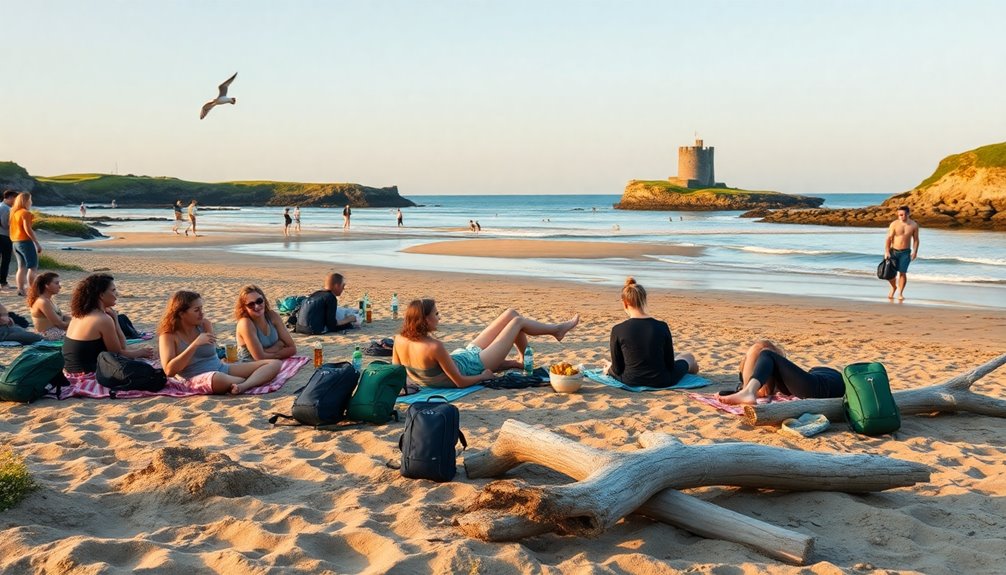
If you’re watching your budget but still want sun, sand and easy transport, there are plenty of student-friendly beaches just outside Dublin that won’t break the bank; think quick train or bus rides, cheap cafés nearby, and free things to do like swimming, walking cliffs or picnicking. You’ll love Portmarnock for long sands and informal games, Dollymount for skyline views and kite sessions, and Bray for a lively promenade with cheap eats. Plan budget beach activities like frisbee, cliff strolls, and sunset picnics. These spots suit student group outings — low-cost, social, and perfect for spontaneous freedom.
Now that you’ve picked a few budget-friendly beaches, let’s look at getting there without a car. You’ll find reliable public transport options from Dublin: DART trains hug the coast to Bray and Greystones, while buses run frequent routes to Malahide and Portmarnock. Check timetables, bring a Leap card, and plan transfers so you’re not waiting. Use coastal route maps online to spot stops, walking links, and bike hire points. Travel light, aim for off-peak times, and pack a waterproof layer. You’ll get freedom to explore shorelines economically and sustainably, without the hassle of parking.
When you head to the coast, check the lifeguard coverage times so you know when someone’s on duty. Stick to the designated swimming zones marked by flags or signs — they’re chosen for safer water and easier rescues. If you’re unsure, ask the lifeguards when they’re patrolling and which areas to avoid.
Because tides and weather change fast along Dublin’s coast, you’ll want to check lifeguard hours before heading into the water — most popular student beaches have seasonal, daytime coverage (usually late May to early September) with peak patrols on weekends and holidays. You’ll find posted coverage schedules at access points and on local council sites so you can plan a free, safe day. Lifeguard training standards are rigorous: expect qualified crews, rescue kit, and clear signals when they’re on duty. If you love spontaneous swims, stick to times with active patrols and respect any warnings or flag changes.
Although the coastline looks inviting, stick to designated swimming zones — they’re marked for calmer water, clearer seabeds, and easy access to lifeguards and rescue equipment. You’ll find flags, buoys, and signs showing where it’s safest to swim; follow them. Lifeguards patrol peak times, and local notices tell you when they’re on duty. Keep to the zone even if you crave open water — currents and underwater hazards don’t care about your plans. For true freedom, choose smart risks: swim with friends, check flags, respect warnings, and treat designated zones as your ticket to responsible swimming safety.
When you’re done at the water, you won’t have to go far for cheap eats—think fish-and-chip shops, sandwich spots, and bakeries a short walk from the sand. A few beachfront cafés also offer student-friendly prices and outdoor seating with sea views, perfect for a quick coffee or a relaxed meal. I’ll point out the best budget options and which cafés are worth lingering at.
If you’re after a tasty, wallet-friendly bite after a day at the beach, Dublin’s coastal towns deliver plenty of options within easy walking distance of the shore. You’ll find local food stalls, casual chippers, and tiny delis serving fresh sandwiches and warming soups that won’t blow your student budget. Look for daily specials, combo deals, and off-peak discounts — they’re everywhere. Grab a takeaway to eat on the promenade or settle on a bench with sea views. Ask locals for hidden gems; you’ll often score the best budget meals and a friendly chat to boot.
After grabbing a cheap bite, you’ll find plenty of relaxed beachfront cafés where you can sit, warm up, or watch the waves while sipping something hot or cold. You’ll spot places with outdoor beachfront seating, windbreaks, and thriftily priced lattes or cold brew. Café menus tend to be simple: toasties, soups, salads, and daily specials made for quick fuel between swims or study sessions. Staff are friendly, playlists low-key, and wifi often available if you want to work. Go early for the best spots, scout a few menus, and pick a place that matches your mood — cosy, lively, or utterly free.
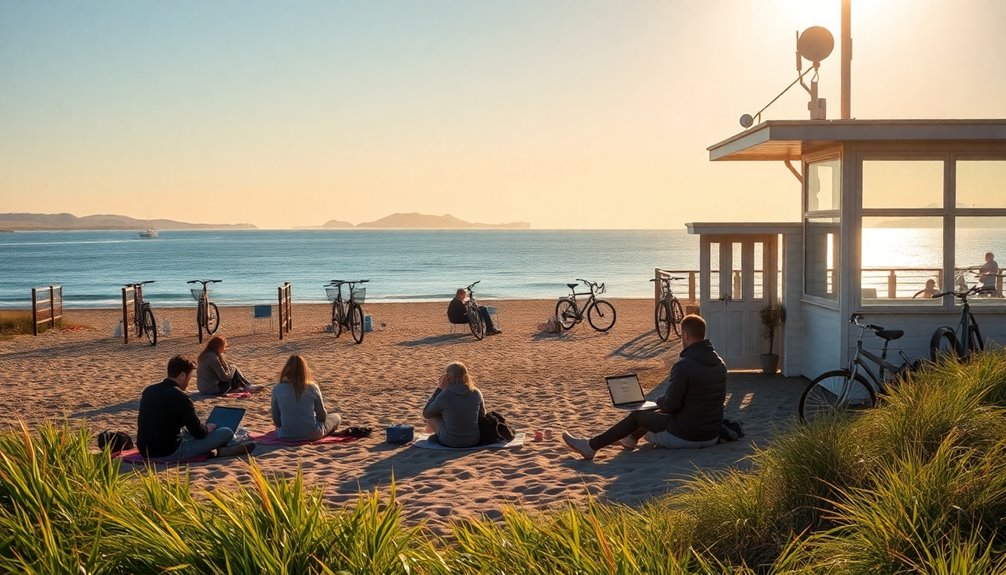
Looking for a spot where the sea air and a strong Wi‑Fi signal meet? You’ll find outdoor study spaces along promenades and near beachfront cafés — think sheltered benches, grassy dunes with picnic tables, and harbourside plazas. Pick spots with reliable internet access signs or café hotspots that extend outdoors. Bring a lightweight windbreaker, a power bank, and noise-cancelling earbuds so you can focus while waves curl nearby. Aim for mornings or late afternoons for calmer crowds and steady signals. You’ll enjoy freedom to move between sun and shade, balancing productivity with coastal calm without being tied to a desk.
Because you’re a student, you can tap into a surprising number of discounts and memberships that make beach days and water sports much more affordable — from reduced-rate surf lessons and kayak hire to cheaper ferry fares and student passes for waterside gyms. You’ll find student memberships at local clubs that cut entry fees and gear rentals, and many coastal businesses run seasonal discount activities aimed at students craving adventure. Look for university partner schemes, student-union boards, and social media codes — they help you chase waves and explore coves without breaking the bank, keeping your freedom intact.
Getting cheaper surf lessons or kayak hire is great, but you’ll still need to think about how you actually get to the beach — and where you leave your bike or car. Check parking availability in advance; lots near popular spots fill fast on sunny afternoons. Bring a sturdy lock if you cycle — many beaches have bike racks but they vary in quality. Consider sustainable transport: buses and trains often drop you close, and group rides or bike-share cut costs and carbon. Plan trips around timetables, pack light, and you’ll keep mobility flexible while protecting the shoreline.
When you need to switch off and cram in peace, pick beaches that stay off the beaten track — think sheltered coves, long stretches of sand with few amenities, or early-morning visits before day-trippers arrive. You’ll find meditative spaces where the surf becomes a steady metronome for revision. Lay out a blanket, set a timer, and alternate focused study with short scenic walks to reset your mind. Bring noise-cancelling earbuds and a light windbreaker; keep snacks tucked away. These quiet shores let you breathe, study freer, and return to campus refreshed — freedom without fuss, focus without frills.
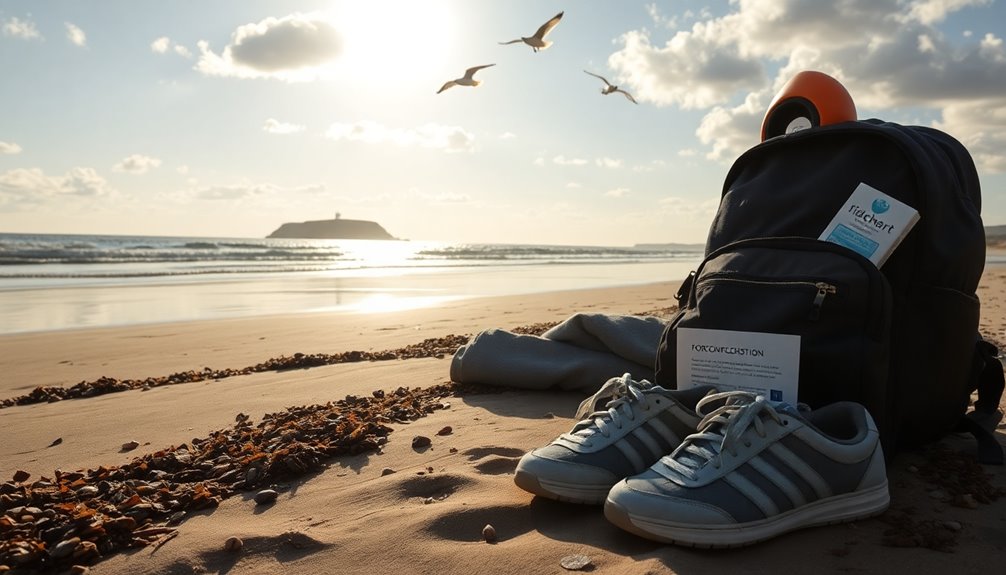
Although Dublin’s coast can turn from bright and breezy to cool and blustery in a few hours, a quick check of the forecast and tide times will save you from soggy notes or surprise swimming restrictions. You’ll want to consult local weather forecasts and tide tables before you head out. Pack beach essentials: windproof jacket, towel, sunblock, hat, reusable water bottle, and waterproof phone pouch. Bring layers so you can chase sun or shelter from gusts. If you’re planning to swim, choose low-tide windows and lifeguarded spots. Keep trash packed out and leave the sand as free as you found it.
Yes — you can bring a portable speaker, but you’ll need to respect beach etiquette and local sound restrictions. Keep volume low so you don’t disturb others, especially families or wildlife, and avoid late-night loud music. Position yourself away from crowded areas, use directional speakers or headphones if you want louder sound, and follow any posted rules or lifeguard requests. Being considerate keeps the vibe friendly and free for everyone.
Yes — dogs are welcome at many spots, though rules vary. Picture a shoreline where some coves are open fields and others are fenced gardens: dog friendly areas let pups run, while leash regulations keep order on busier stretches and near nesting birds. You’ll want to check local signs or council websites before you go, bring waste bags, and be ready to leash your dog where indicated to respect wildlife and other beachgoers.
You can find cheap beach gear and wetsuit hires at small rental shops in seaside towns like Bray, Portmarnock and Skerries — check pier-side kiosks and surf clubs. You’ll usually pay per day, with discounts for students or multi-day hires, and gear’s basic but reliable. Walk the promenade, ask locals for the best rental shops, and you’ll nab affordable umbrellas, towels, boards or wetsuits so you can head out and roam freely.
You can enjoy calm starlit walks but you can’t light open fires freely; nighttime regulations vary by beach and councils often ban unpermitted flames. Imagine loud laughter against hush of waves — that contrast’s yours when you follow rules. Bonfire permits are sometimes available for organised events, but you’ll need to apply ahead, keep fires controlled, and clean up. Check local council sites, respect wildlife, and you’ll keep your freedom without fines.
You’ll find several Dublin-area beaches that’re LGBTQ+ friendly, especially Sandymount and Dollymount, where local groups host LGBTQ+ events and inclusive activities during summer. You’ll spot rainbow flags at some gatherings and meet diverse groups at picnics, beach clean-ups and informal sports. Bring an open mind, join community pages for event updates, and expect a relaxed, welcoming vibe — perfect if you value freedom, safety and genuine inclusion by the shore.
Think of the coast as your open textbook: pages of sand, chapters of waves, each visit teaching you calm between deadlines. You’ll navigate bus routes like plotted notes, pack snacks as study aids, and find quiet coves to revise thoughts. With student discounts as bookmarks and bikes as pens, you’ll write summer memories in salt and sun. Go, collect small lessons—then close the book, calmer, ready for the next exam.