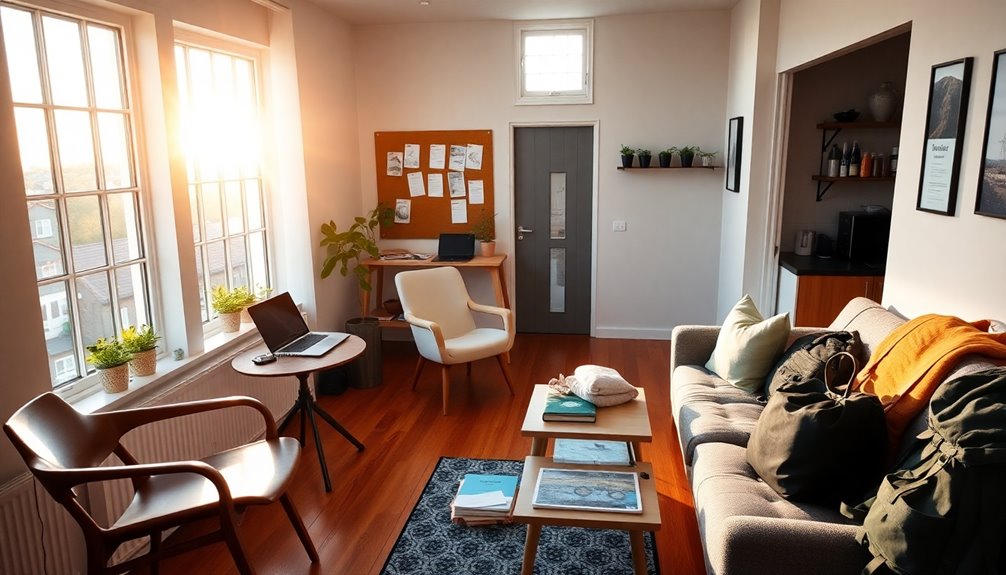
2026 Trend: Galway Shared Apartments for ESL Students
Study English In Ireland
January 17, 2026

In 2026 you’ll find Galway’s shared-apartment market tailored for ESL students, with accredited schools near student housing, flexible short- and long-term leases, and roommate networks that encourage English practice. Expect options across City Centre, Salthill, Westside and Westend with varied rents, utilities arrangements, and broadband suited for study. Check walking times, bus links, local libraries and conversation groups, inspect tenancy clauses and deposit rules, and you’ll be ready to choose a location that supports study and daily life — continue for practical next steps.
Several factors have converged to make Galway an increasingly attractive ESL hub for 2026: a growing number of accredited language schools, expanded student housing options including shared apartments tailored to international learners, strengthened links between colleges and local employers, and targeted visa and support services that simplify enrollment and settlement. You’ll find Galway culture woven into curricula and community programs, so you’ll gain local insight alongside language skills. Practical ESL opportunities are abundant, from internship placements to conversation partners and structured assessments. You’ll be supported by clear admission pathways, affordable living arrangements, and targeted career guidance that preserve your independence while advancing competence.
Having practical information about neighborhoods will help you match shared-apartment options to the specific language school and daily routines you expect in Galway. Consider city centre for proximity to schools, cafes, and transport if you value walking access and cultural immersion; choose Salthill for quieter seaside study breaks and communal student flats. Westside offers affordable housing with reliable bus links to institutions, while the bohemian Westend suits those craving evening events and study groups. Prioritize safety, commute time, and roommate compatibility. You’ll want neighborhoods that balance independent exploration with structured learning opportunities and social integration.
When you’re comparing rent prices across Galway districts, focus on realistic monthly budgets, typical inclusions, and distance-related trade-offs: city centre units command higher rents but often include utilities and shorter commutes to schools; Salthill tends to be pricier per room because of seaside demand and student-friendly flats; Westside and some outer suburbs offer lower rents yet increase your daily travel time. You’ll review Galway rental trends and district comparisons to prioritise freedom: choose flexibility in lease length, clear utility splits, and transit costs. Assess proximity to classes versus cost, factor in bus and bike options, and set a strict monthly cap.
After you’ve settled on a district and budget, the next step is to find roommates who’ll support your English learning rather than hinder it. You should use platforms offering structured roommate matching and include clear criteria: preferred study hours, tolerance for mistakes, and willingness to practice. Inspect profiles for teaching experience or interest in language exchange and request short video calls to assess tone and commitment. Draft a concise agreement covering quiet study times, shared resources, and feedback methods. Choose roommates who respect your autonomy, balance social freedom with study discipline, and commit to consistent, constructive conversational practice.

When choosing a shared apartment, you’ll want to assess its proximity to your campus and classroom buildings to minimize daily travel. Check available public transport routes, schedules, and costs so you can compare bus or train options against walking. Finally, estimate realistic walking times from the property at a steady pace and during typical class hours to guarantee punctuality.
Most students will prioritize how far their apartment is from campus, since reliable transport links and short walking distances directly affect daily punctuality and study time. You’ll assess Campus Convenience by mapping walking times, noting lighting, and checking direct routes to lecture halls. Student Accessibility means proximity to libraries, labs, and student services so you can maximize independent study and social freedom. Prioritize apartments within 15–25 minutes on foot or with straightforward transfers to avoid commute fatigue. Measure distances in minutes rather than kilometers, verify route safety at night, and choose locations that preserve your time and autonomy.
Because reliable transport links shape your daily schedule and stress levels, you’ll want to evaluate bus routes, cycle lanes, and walking paths regarding frequency, duration, and evening safety. You should map direct bus routes to campuses, note peak and off-peak timetables, and confirm student fares or passes. Assess cycling options: dedicated lanes, secure bike storage, and lighting for early or late rides. Check night services, app-based real-time updates, and proximity of stops to classroom entrances. Prioritise options that maximise independence and reduce commute uncertainty so you can plan study, work, and social time with confidence.
Although you might rely on buses or bikes at times, knowing accurate walking times from your shared apartment to classrooms is essential for daily planning and punctuality. You’ll assess walking routes by mapping typical paths, considering crossings, gradients, and pedestrian signals that affect pace. Use distance calculators to convert kilometres into realistic minutes at your comfortable stride, then add buffer time for weather or luggage. Record multiple route options for flexibility and independence. Regularly timed trials refine estimates and reduce stress on exam or presentation days. This disciplined approach supports freedom to choose residence locations without compromising class attendance.

You’ll need to weigh nightlife access against quiet study conditions when choosing a neighborhood, since areas with active bars and late venues can affect evening routines and sleep. Assess safety through local crime statistics, well-lit routes, and building security features to guarantee your study environment isn’t compromised. I’ll outline neighborhood-specific profiles so you can match your preferred balance of social life and focused study.
When you choose a shared apartment in Galway, balancing safety, nightlife and quiet study spots should guide your decision: some neighborhoods offer lively evening scenes with pubs and cafés that are great for socializing but can be noisy late into the night, while others provide calmer streets and dedicated study-friendly spaces ideal for focused coursework. You’ll assess nightlife options against required study hours, picking locations where venues close early or soundproofing exists. Consider proximity to 24-hour study hubs, library schedules, and roommate routines. Choose flexibility: prioritize apartments allowing quiet curfews, clear communal rules, and easy access to both social life and study spaces.
Safety should be a top criterion when picking a shared apartment in Galway, and understanding how each neighborhood balances security, nightlife, and study-friendly quiet will help you choose wisely. You’ll assess crime rates, lighting, and proximity to transport; city center offers vibrant nightlife but more late-hour noise, while Salthill and university-adjacent areas provide calmer streets and study-friendly cafes. Use practical safety tips: check landlord references, inspect locks, map emergency services, and form roommate agreements about visitors and quiet hours. Prioritize neighborhoods that align with your study rhythms and desire for independent exploration without compromising personal security.
Curious about whether a short-term or long-term lease suits your study plans in Galway? You’ll weigh short term benefits like flexibility, trialing neighborhoods, and easier end-dates against long term commitments that often cut monthly rent and provide housing stability. Consider course length, potential internships, and your desire to move or travel. Check notice periods, deposit rules, and subletting policies so you can retain freedom without surprise penalties. Ask landlords about renewal terms and written inventories. Prioritize leases that match your academic timeline and mobility preferences, balancing cost savings with the flexibility you’ll want.

Having decided on a lease length, you’ll next want to evaluate utilities, broadband, and apartment features that support study and daily life—these can affect monthly budgeting, time management, and academic productivity. You should assess utilities management: which bills are included, meter arrangements, average costs, and emergency contacts. Compare broadband options for reliable speeds, data caps, and contract flexibility so online classes and research stay uninterrupted. Look for study-friendly features: quiet rooms, ergonomic desks, natural light, storage, and secure locks. Prioritise apartments that balance independence with communal support, letting you manage finances and study routines with freedom and confidence.
When you’re choosing a shared apartment in Galway, consider nearby amenities that actively support language learning: public libraries with English-language collections and quiet study rooms, community centres offering conversation clubs and language exchange meetups, and cafés or student hubs that host informal practice sessions. You’ll want proximity to language cafes that schedule topic nights, accessible study spaces with reliable opening hours, and regular cultural events that deepen contextual understanding. Prioritise transit links so you can attend workshops freely, check volunteer tutoring options, and verify noticeboards for short-term conversation groups—these practical features will streamline immersive learning.
Although tenancy agreements in Galway can seem intimidating at first, understanding key clauses and deposit rules will protect you as a tenant and make disputes far less likely. You should read lease duration, notice periods, utilities, and subletting permissions carefully. Check inventory lists and documented condition reports to support deposit protection claims. Know your tenant rights under Irish law, including fair notice and repair obligations, and get essential terms in writing. Keep receipts for rent and deposits, and ask landlords about registered deposit schemes. Being precise and proactive preserves your independence and reduces conflict during study and shared living.
When you tour a shared flat, whether remotely or in person, check the condition of key areas (kitchen appliances, heating, locks), utility arrangements, and any signs of damp or pests. Pay attention to roommate cues—noise levels, cleanliness standards, and daily schedules—to judge compatibility before committing. Also confirm lease length, who pays which bills, and exact deposit and notice terms so there are no surprises.
Why start with a checklist? You’ll guarantee clarity when evaluating apartment amenities, location, safety, and contract terms. Inspect heating, insulation, Wi‑Fi reliability, and kitchen equipment; note storage and laundry access. Verify bills: what’s included, average costs, and deposit procedures. Check transport links, proximity to campus, and noise levels at different times. Request clear photos or a live walkthrough if remote, and document any damages. Discuss roommate preferences briefly to confirm routines and guest policies without probing personality. Finally, confirm tenancy length, notice periods, and sublet rules so you keep mobility and control.
How do you spot the subtle cues that show whether potential roommates will fit your study habits and lifestyle? When touring remotely or in person, observe communication styles: are they responsive, direct, polite? Ask concise questions about noise tolerance, study schedules, and cleaning routines to map lifestyle preferences. Note living space cues—organized desks, shared study areas, and signs of mutual respect. Listen for willingness to negotiate boundaries and for examples of past conflict resolution. You’ll prefer roommates who balance independence with cooperative habits, so prioritize clarity about expectations and confirm compatibility before committing to a shared-flat arrangement.
Because leases and costs are the backbone of any shared-flat arrangement, you should approach tours—remote or in person—with a checklist that prioritizes contractual clarity and total monthly outlay. You’ll verify lease length, notice periods, and subletting rules, and note any clauses affecting guest policy or study hours. Request a clear cost breakdown: rent, utilities, internet, deposits, cleaning and communal supplies. Prepare questions for lease negotiation, including rent review timing and repair responsibilities. Inspect receipts or bills remotely, photograph meters, and confirm who holds the tenancy. This disciplined approach preserves your freedom while reducing financial and legal surprises.
Yes — you’ll find cultural workshops and orientation sessions tailored for international ESL students in shared flats. These programs offer structured, student-focused guidance on local customs, housing norms, roommate etiquette, and practical city navigation. You’ll get detailed resources, peer-led activities, and expert talks that respect your independence while ensuring smooth social integration. Expect flexible scheduling, targeted materials, and ongoing support to help you adapt confidently and maintain personal freedom.
Like a bridge over water, yes — landlords often accept guarantors or foreign income verification if it meets landlord requirements. You’ll need certified translations, bank statements, or embassy letters, and a local or international guarantor with verifiable credit. Expect background checks, notarization, and possible higher deposits or rent in advance. You should ask for a written checklist, clarify timelines, and get agreements signed to protect your freedom and housing stability.
You’ll find guest policies usually balance freedom with respect: visitor restrictions specify hours, maximum overnight stays per month, and requirement to notify or get roommate consent. Formal rules often cover ID checks, no-subletting clauses, and limits on parties or extra bedding. You’ll be expected to log guests, guarantee they follow building codes, and accept consequences for breaches—fines, warnings, or termination—so communicate clearly with roommates and the landlord.
Yes — you’ll find furnished rooms with study desks and adjustable lighting that balance privacy and community. Though rooms arrive fully equipped with ergonomic desks, shelving, and beds, you’ll still enjoy personal control via dimmable lamps and task lighting. Contracts detail inventory, maintenance, and replacement terms; you’ll be expected to respect shared areas and noise rules. This setup preserves your independence while ensuring a focused, professionally arranged study environment.
You’re not usually legally required to carry renters’ insurance, but it’s strongly recommended for international students. It protects your personal belongings, covers accidental damage, and can include liability protection if someone’s injured in your rented room. You’ll want to compare policies for coverage limits, deductibles, and whether short-term or international-specific plans suit you. Keep policy documents accessible and confirm any required coverage with your landlord or residence provider.
Like a well‑worn map guiding a traveler through fog, choosing a shared apartment in Galway will steady your steps toward fluency. You’ll want clear routes to class, reliable utilities, and considerate roommates who’ll become study companions as seasons turn. Attend to tenancy terms and neighborhood fit as you would compass points—practical, exact, and student‑centered—to guarantee your stay is safe, productive, and quietly inspiring, helping you grow with every shared conversation.