
The Pros and Cons of Homestay Ireland
Study English In Ireland
January 17, 2026

Choosing a homestay in Ireland gives you affordable, predictable living with meals, bills and support often included, plus daily cultural immersion and handy local tips. You’ll get regular family routines and a safer, settled base, but expect less privacy, set house rules and shared spaces that might not fit your study habits. Transport links and proximity to campus vary, so check those. Keep going to see practical tips, costs and how to pick the right host.
Wondering what daily life will look like in an Irish homestay? You’ll find cultural immersion woven into simple routines: shared meals, tea breaks, and weekend chatter. Hosts usually welcome you into family rhythms, and you’ll quickly learn household expectations like mealtimes, chores, and quiet hours. You can ask about rules up front — that helps you feel secure and respected. Family dynamics vary: some homes are lively with kids and pets, others are quieter with older hosts. Observe and communicate; polite questions about preferences will smooth the adjustment. Privacy and safety are typically prioritized, but clarify sleeping arrangements, guest policies, and emergency contacts when you first arrive. If you’re nervous, request a short trial stay or meet the host beforehand via video call. Embrace patience and openness — you’ll benefit from close cultural learning while maintaining boundaries that protect your comfort and well-being.
When you’re choosing a homestay, location can make or break your experience — think about how easy it’ll be to get to campus, part-time jobs, and the places you’ll want to explore. Pick a home with good public transport links and clear walking routes so you won’t feel isolated or rushed. Campus proximity matters: being a short walk or bus ride away reduces stress, keeps mornings calm, and makes it easier to join campus events.
Ask your host about local bus and train timetables, safe walking routes at night, and how long typical commutes take. Check street lighting, nearby shops, and emergency services to feel secure. If you value quiet study time, consider family routines and noise at peak travel hours. A supportive host who explains transport options and safety tips can turn location into one of homestay’s biggest advantages, helping you balance campus life, social activities, and peace of mind.
1 key factor to weigh is how much you’re willing to spend versus what you get for it: homestays often bundle rent, utilities, and meals into a single fee, which can simplify budgeting and sometimes make them cheaper than private flats or some university halls, but they may not always be the lowest-cost option. When you do an affordability comparison, look beyond the headline price to predictable housing expenses like bills, internet, and safety-related services (locks, secure entry). Homestays can reduce surprise costs and offer clear, consistent monthly payments, which is reassuring if you value stability. Private flats or shared houses might offer lower rent but expect variable bills, deposits, and occasional repairs. University halls often include maintenance but can be pricier. Think about what trade-offs you’ll accept: lower monthly outlay versus predictable costs and a supervised environment. Ask for a breakdown of fees and any house rules so you can choose the option that fits both your budget and sense of security.
Although living with an Irish host family can feel like joining a small community, you’ll still keep your own rhythms — but expect your daily routine to include shared mealtimes, household chores, and small-talk rituals that shape cultural exchange. Mornings may start with a quick chat over breakfast; evenings often center on cooking and conversation, so you’ll feel included without losing autonomy. Hosts usually welcome questions about family traditions and may invite you to help prepare a weekend meal or join simple cooking classes they arrange or recommend. That hands-on time helps you learn local phrases, table manners, and seasonal customs in a low-pressure way. If safety matters to you, note that routines provide predictable patterns—who’s home when, mealtime timing, and agreed chores—which reduces uncertainty. Be respectful, communicate preferences, and speak up about allergies or schedules. Clear, polite communication keeps daily life comfortable and turns ordinary routines into gentle cultural exchange.
Because homestays blend private and shared spaces, it helps to discuss boundaries early so you know where you can study, sleep, and relax without interrupting family life. You’ll want to ask about house rules on visitors, quiet hours, and use of common areas so your routine fits the household. Clarify whether there’s a dedicated desk or a quiet corner for studying, and whether shared spaces are okay for evening work; that helps you plan focused time and avoids misunderstandings.
Respecting personal space is mutual: knock before entering bedrooms, store belongings where agreed, and follow laundry and bathroom schedules. If something feels unsafe or inconsistent with the agreement, speak up calmly — hosts who value clear communication will usually adjust. Before you arrive, confirm practical details like Wi‑Fi, keys, and cleaning expectations. Clear expectations protect your privacy and create a respectful living arrangement where you can study and rest confidently.
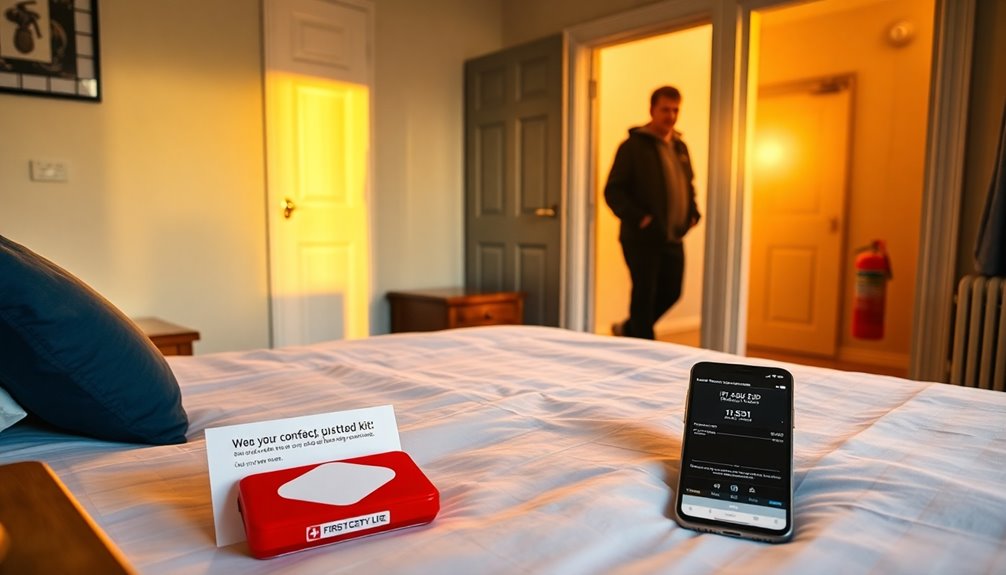
When you’re staying with a host family, knowing how to get help quickly and who to turn to for everyday support makes a big difference to your peace of mind; ask your host for emergency contact numbers, the nearest hospital or clinic, and any local out-of-hours services as soon as you arrive. You should also discuss the household safety protocols—fire exits, smoke alarms, and first-aid kits—so you know what to do if something goes wrong. Agree on quiet times, guest policies and how your host prefers to communicate about minor issues; that makes everyday support straightforward. Check whether your host has a plan for weather disruptions or local incidents as part of emergency preparedness. Keep a written list of contacts: your host, local emergency services, your embassy or consulate, and your course provider. If something worries you, say so early—hosts are usually keen to help, and timely communication prevents small problems from becoming serious.
If you’re booking a homestay, make sure you fully understand the contract and cancellation terms before you pay — they’ll explain what’s included, how changes are handled, and what refunds (if any) you can expect. When you start the booking process, read each clause: arrival/departure times, meals, privacy rules, house duties, and guests. Ask for written confirmation of verbal promises and keep copies of messages and receipts. Check who mediates disputes and whether the host or agency carries insurance. Cancellation policies vary: some offer a full refund within a brief window, others keep a percentage or charge non-refundable booking fees. Be aware of cancellation fees and under what conditions they’re waived (illness, travel bans). If safety concerns prompt a move, know the process and any financial protections. Before you commit, request clarity on emergency contacts and a clear timeline for refunds so you’re protected and less anxious if plans change.
Yes — host families usually accommodate dietary preferences and allergy accommodations, but you should tell them in advance. You’ll find many hosts are careful, ask questions, and adjust menus for allergies or cultural diets. Be clear about severity, cross‑contact risks, and any emergency needs. You’ll feel safer if you confirm details before arrival, provide written lists, and keep open communication so hosts can prepare meals confidently and protect your health.
Yes — you can usually receive personal mail and parcels at the homestay address, but check first with your host. Ask about mail delivery routines, package storage, and any rules they have. Respecting address privacy is important, so confirm who can see or sign for items and whether sensitive mail should use a separate service. If you’re uncertain, arrange alternative delivery to a secure pick-up point.
Not usually — you’ll find pets in some Irish homestays, but they’re not present in most. Check each host’s pet policies before booking so you know whether animals live there and what animal interactions are allowed. If you’re anxious or allergic, ask specifically about pet-free rooms, outdoor access, cleaning routines and supervision. Hosts are normally understanding and can often accommodate requests to keep you comfortable and safe during your stay.
Yes — in many Irish homestays the Wi Fi reliability and Internet accessibility are good enough for online classes and video calls, but it can vary. You’ll usually get stable connections in towns and cities; rural homes might have slower speeds or occasional drops. Ask hosts about average upload/download speeds and peak-time performance, and request a quiet room close to the router to guarantee safer, dependable call quality.
Yes — you can usually extend your stay, but you should start the extension process early. Talk with your host and the homestay coordinator to discuss contract negotiation, fees, and new dates. Be clear about safety needs, house rules, and any visa implications. If either party can’t agree, have written confirmation of outcomes. Stay polite, document changes, and confirm payment and arrival logistics so everyone feels secure and respected.
Choosing a homestay in Ireland can feel like stepping into a warm sitcom — your hosts become family, your calendar fills with tea and tips, and your accent might politely rebel. It’s not magic: you’ll trade some privacy for daily support, savings, and authentic cultural immersion. If you crave connection and real local life, homestay can transform your study year into an unforgettable, slightly chaotic, wonderfully human adventure — worth every shared fry-up.