Why Study English in Ireland as Adults?
Study English In Ireland
January 21, 2026

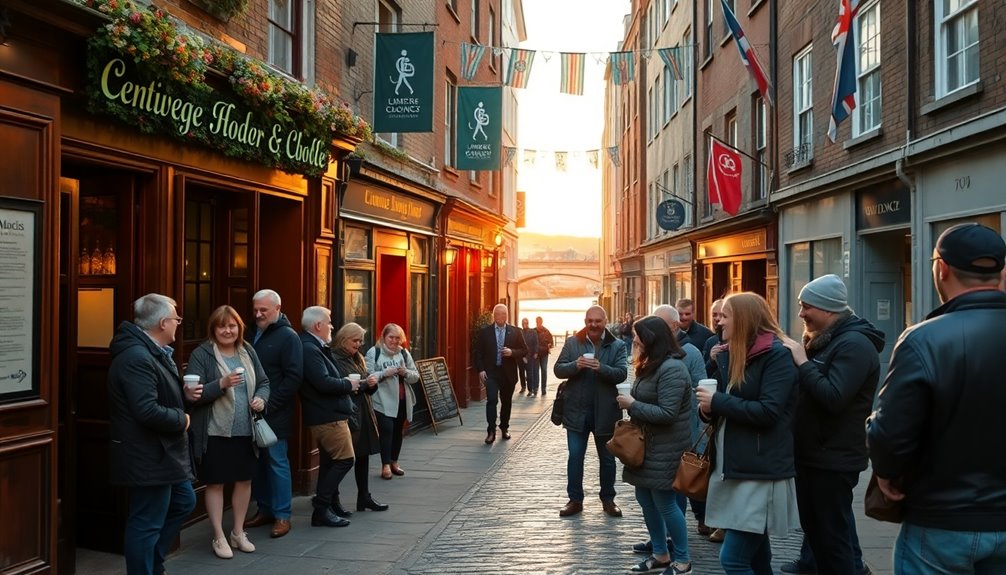
You should study English in Ireland because you’ll join adult-focused schools that respect your experience and fit around work or travel. You’ll live where English is spoken, practice daily in cafes, pubs, workplaces and clubs, and choose flexible courses from intensive to part-time or blended learning. Costs and housing vary by city, so you can pick what suits your budget. Your social life, volunteering and festivals boost real-world skills — keep going to find practical tips and city comparisons.
Because Ireland combines high-quality English programs with a friendly, immersive environment, it’s an excellent choice for adult learners. You’ll find flexible courses that respect your time and goals, letting you shape study around work or travel. Language immersion happens naturally: locals are open, cafés and cultural events invite conversation, and you’ll practice confidently in everyday settings. The adult community in schools and neighborhoods means peers share similar priorities, so networking and social life feel effortless and rewarding. You won’t be treated like a tourist; you’ll be welcomed as someone pursuing growth and autonomy. Choose programs with practical lessons, experienced teachers, and opportunities for real-world use — that freedom to learn on your terms will accelerate progress.
When choosing between Dublin, Cork, Galway, and Limerick, you’ll notice big differences in cost of living that can affect your budget. Each city also offers a distinct cultural and social scene, from Dublin’s bustling nightlife to Galway’s artsy festivals and Cork’s local warmth. Think about how much you want to spend and what kind of social life will help you practice English best.
Living costs in Ireland vary noticeably by city, so knowing what to expect in Dublin, Cork, Galway, and Limerick helps you budget smarter. If you want freedom to explore, Dublin demands the highest rent and daily living expenses, so plan for smaller savings or shared housing. Cork and Galway offer a balance — rents are lower than Dublin, utilities and food costs remain manageable, and you can still enjoy city life without overspending. Limerick tends to be the most affordable, with cheaper accommodation and overall living expenses, letting you stretch your budget further. Look for affordable housing options, compare transport passes, and set a weekly spending limit so your study stays liberating, not limiting.
Rent, transport, and groceries shape your daily routine, but the social scene really determines how you’ll feel at home. In Dublin you’ll find endless events, easy cultural immersion, and diverse social interactions that suit a fast, independent pace. Cork offers a friendlier, artsy vibe where you can wander cafes and join local gigs without fuss. Galway feels like a creative playground — street music, festivals, and tight-knit communities that welcome strangers who want to belong. Limerick blends quieter streets with emerging nightlife, so you can explore at your own speed and still meet people. Each city lets you choose the level of connection you want, so you can learn English while living freely and fully.
Anyone looking to improve their English will find a wide range of language schools across Ireland, from small boutique centres to larger accredited institutes. You’ll discover adult-focused programs that respect your experience and freedom, offering language immersion in real-life settings like cafés, museums, and walking tours. Courses are flexible, with tailored programs that fit work schedules or travel plans, from intensive weeks to part-time classes. Teachers use practical topics so you can speak confidently in business meetings, community events, or casual conversations. You can choose blended learning, private tuition, or group workshops that value your autonomy and goals. These schools make it easy to learn on your own terms while connecting with peers who share your curiosity.
Because mature students often balance study with work, family, or other commitments, you’ll want housing that’s convenient, comfortable, and flexible. You can opt for student residences that offer private studios for quiet focus or choose shared accommodations if you want social contact without long-term ties. Shared options often let you control your schedule, split chores, and swap shifts for childcare or work. If you crave cultural immersion and a stable home base, staying with a host family gives routine, meals, and local insight while respecting your independence. Short-term rentals and serviced apartments suit those who value freedom and mobility. Whatever you pick, prioritize proximity to classes and transport, clear house rules, and flexible lease terms so your life stays balanced and yours.
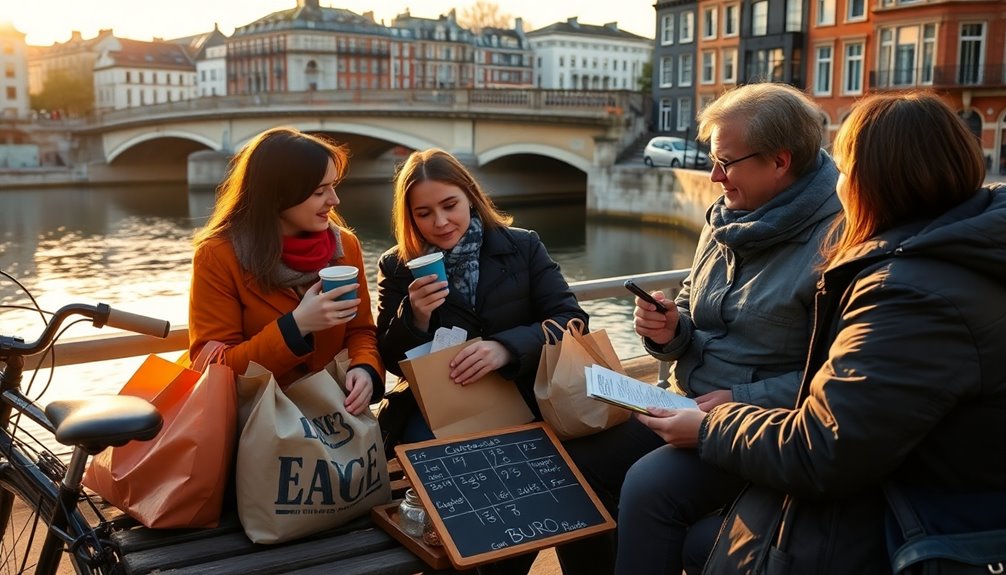
When you pick a city to study in, look for affordable neighbourhoods that are well connected to campus and shops. You can cut daily costs by cooking at home, using public transport passes, and shopping at local markets. These simple choices will free up money for social activities and travel around Ireland.
If you’re planning to study in Ireland and want to stretch your budget, choosing the right neighbourhood can make a big difference in monthly expenses; each city has pockets that balance affordability with safety, transport links, and student-friendly amenities. Consider areas slightly outside city centres — you’ll find better housing affordability, quieter streets, and good bus or tram links that won’t trap you in long commutes. Look for neighbourhoods offering strong community amenities like markets, libraries, and parks so you can live independently without overspending. Ask fellow students about shared-housing options and check local listings for realistic rent. You’ll feel freer when your rent doesn’t control your choices, letting you focus on study and exploration.
Daily money habits can shave hundreds off your monthly costs while keeping life comfortable; start by tracking your spending for a month so you know where to cut. You’ll want simple cost saving tips: swap cafés for home-brew, use student or weekly travel passes, and shop local markets for fresh, cheap food. Daily budgeting frees you to explore Ireland without stress — set limits, automate savings, and review weekly. Embrace shared housing and cook with flatmates to lower bills and meet people. Below is a quick clarity table to help you compare choices and keep freedom-centered priorities clear.
| Choice | Impact on Wallet | Freedom Score |
|---|---|---|
| Cook at home | High savings | 9/10 |
| Weekly pass | Medium | 8/10 |
| Shared flat | High | 10/10 |
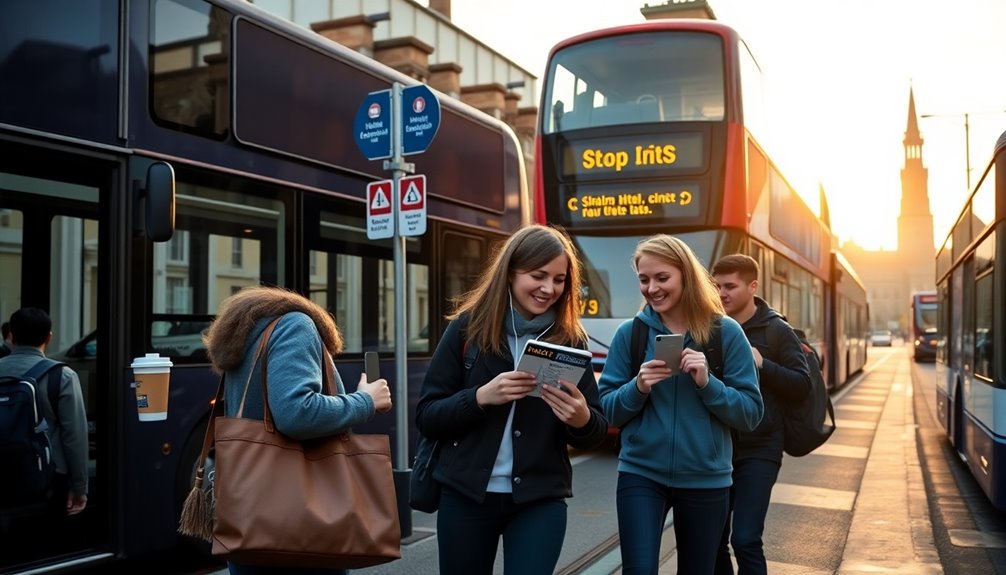
Because Ireland’s cities and towns are compact and well connected, you’ll find getting around as a student straightforward and affordable. You’ll rely on reliable bus routes and clear train schedules to explore classes, cafes, and coastlines without fuss. Buy a student travel card or Leap Card for discounted fares across buses, trains and trams, then tap and go — it frees you from cash and constant planning. Cycling’s popular too; many campuses offer bike parking and rentable scooters let you move fast between neighborhoods. Weekend trips are easy: regional trains and buses link charming towns, so you can chase freedom on your timetable. Public transport keeps your options open, saves money, and helps you live independently while studying.
Getting around easily means you’ve got time to work as well as study, and many students pick up part-time jobs to help cover living costs. You’ll find flexible job opportunities in cafes, retail, and tourism that fit class schedules and give you cash and experience. Know your work rights: as an international student you can work limited hours during term and more in holidays — check current visa rules so you’re not surprised. Employers expect punctuality and initiative, and you can negotiate shifts to suit study priorities. Working also boosts your English and local network, helping you feel independent. Balance is key: plan shifts around classes, rest, and exploring Ireland so you get freedom without burnout.
While studying in Ireland you’ll want to sort out healthcare early, so you know what’s covered and what’s not. You’ll want clear healthcare access: public clinics, GP visits, and emergency care differ by residency and length of stay. Look into insurance options that suit adult learners—comprehensive travel or private plans can fill gaps. Student medical services on campus are handy for routine care, mental health support, and vaccinations, letting you stay independent and flexible. Check registration requirements and get documentation sorted before arrival.
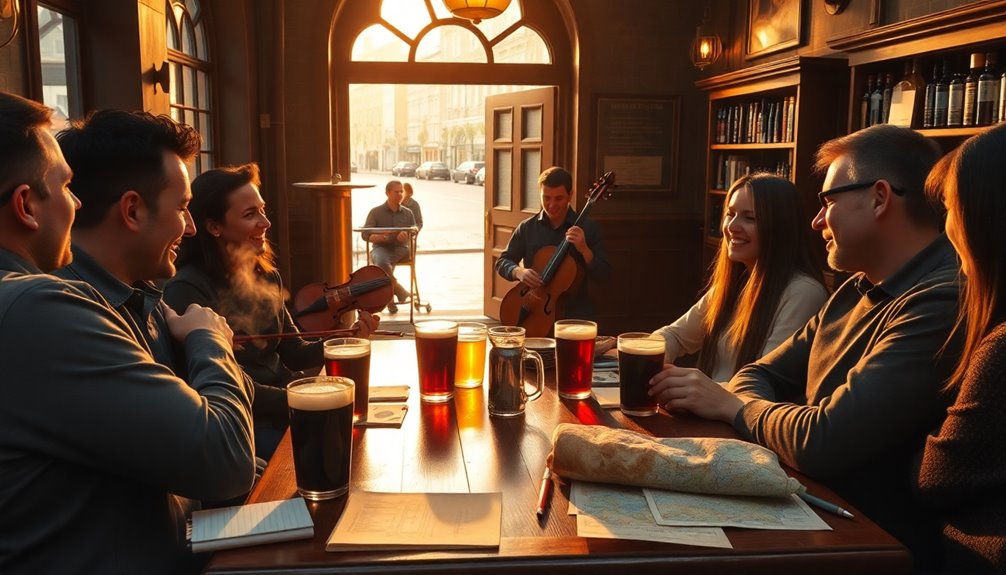
You’ll find Ireland’s pub culture is a great place to practice conversational English with locals over music and a pint. Festivals and cultural events offer chances to hear traditional storytelling, music, and theatre that enrich your language learning. Joining community classes or clubs helps you meet people with shared interests and keeps your English growing outside the classroom.
A night in an Irish pub is more than music and pints—it’s where conversation flows as easily as the beer, giving you real-world chances to practise English in relaxed, friendly settings. You’ll learn pub etiquette and pick up natural conversation starters while feeling free to speak, listen, and laugh without pressure. Pubs are social classrooms: locals respect curiosity, and you’ll build confidence through casual chat.
Pubs give you warm, everyday chances to practise English, and festivals crank that up into shared experiences where language, music, food and stories meet. You’ll roam music festivals and food fairs, join literary events and art exhibitions, and feel free to wander into traditional celebrations. Cultural workshops let you try crafts, songs or cooking, so your vocabulary grows with real action. You meet locals and travellers who want the same open exchange, and you can choose which events fuel your curiosity. Below is a simple image to spark the senses:
| Sound | Taste |
|---|---|
| Ceilidh drums, acoustic sets | Fresh seafood, artisanal bread |
| Spoken word, storytelling | Spiced stews, sweet pastries |
These moments make learning alive, liberating and entirely yours.
When you join community classes and clubs, you’ll get steady, low-pressure chances to practise English while doing things you actually enjoy—crafts, choir, sports, or language tandems—so conversation grows naturally alongside new skills. You’ll choose how involved you want to be, meet locals at community events, and take part in language exchange without classroom pressure. These gatherings fit your pace and let you practice speaking while following your passions, so learning feels like freedom rather than work. You’ll leave more confident, with friends and practical vocabulary for daily life.
Whether you’re shy or outgoing, joining clubs, meetups, and volunteering lets you practice English in real situations while building friendships and skills. You’ll find language exchange sessions that feel casual, volunteering roles that give purpose, and meetups that push you out of routines. These activities speed social integration and let you shape your own experience, choosing intensity and pace. You’ll gain confidence, real vocabulary, and a network that supports freedom to explore Ireland.
| Activity | Benefit |
|---|---|
| Language exchange | Conversation practice |
| Sports clubs | Casual teamwork |
| Volunteer work | Purposeful speaking |
| Hobby meetups | Niche vocabulary |
| Community projects | Local ties and trust |
A clear grasp of visa, immigration, and residency rules will make your move to Ireland smoother and help you avoid costly mistakes; you’ll need to know which visa fits your study length, how to maintain legal status while working or volunteering, and what steps lead toward longer-term residency if that’s your goal. You’ll want to plan a timely visa application, understand residency requirements, and keep documentation current so you can live and learn freely. Know work permissions tied to student visas and how volunteering is treated. Keep contacts for immigration support and your school’s international office.
A clear grasp of visa, work and residency rules eases your move to Ireland and helps avoid costly mistakes
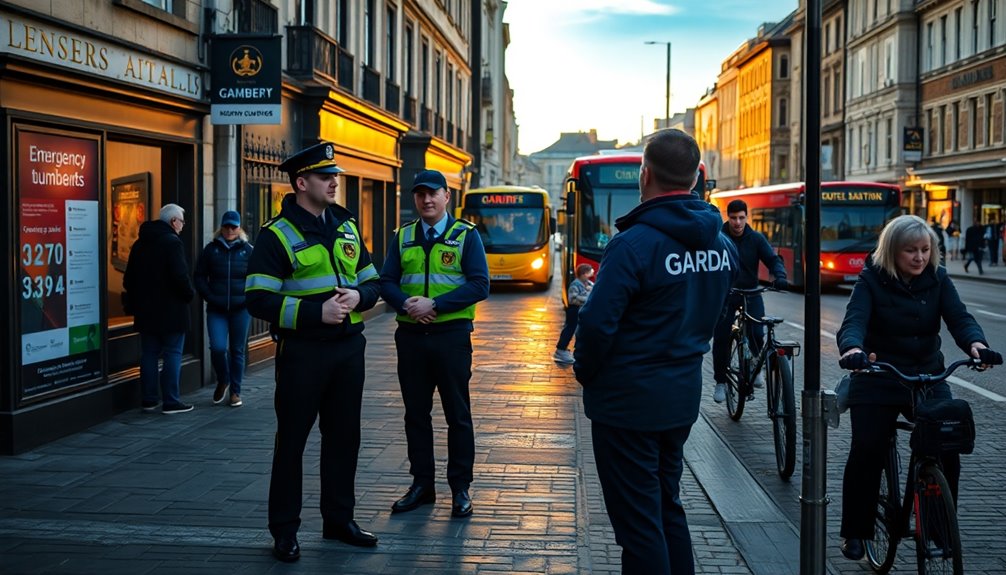
Having your visa and residency paperwork in order makes it much easier to focus on staying safe and fitting into local life while you study in Ireland. You’ll want clear safety tips: keep copies of documents, stay aware in cities at night, and respect local customs to move freely and confidently. Know how to contact emergency services and local support networks before you need them. Learn polite greetings, queueing norms, and tipping habits so you blend in without losing independence.
| Item | Contact/Note |
|---|---|
| Emergency number | 112 / 999 |
| Garda (police) | Local station details |
| Health services | GP & A&E info |
| Embassy | Your country’s contact |
Carry essentials, trust your instincts, and ask locals when unsure.
You can join most adult courses with minimal beginner requirements, and you’ll find placement tests to guide you into intermediate or advanced courses. You’ll choose paths that match your goals, letting you learn freely and confidently.
Yes — you’ll find accredited programs offering short diplomas and certificates for adult learners, letting you pick flexible, recognized courses that fit your schedule and travel goals so you can study freely and confidently abroad.
Yes — you can sometimes bring dependents, but visa requirements vary by course length and your nationality; check immigration rules, arrange accommodation and family support, and choose programs offering flexible schedules so you and loved ones enjoy freedom.
Yes — you’ll find accessibility services and inclusive programs like tailored tutoring, adaptive tech, and campus support, symbolizing open doors so you can learn freely, access resources, request accommodations, and join a truly welcoming community.
Yes — many schools offer weekend classes and flexible evening schedules, so you can learn without giving up freedom. You’ll find intensive, part-time, and tailored options that fit work, travel, or personal commitments while keeping your independence.
Imagine you’re planting a sturdy oak in Ireland’s rich soil: each city a different patch of earth, each class a careful pruning, each conversation a gust that shapes your branches. As an adult learner, you’ll root in new rhythms, weather bright festivals and quiet studies, and grow leaves that catch fluent sunlight. Keep tending—practice, explore, connect—and you’ll stand taller, speaking with a voice that’s both yours and braided with the island’s living language.
Monetize your influence—become an affiliate today!