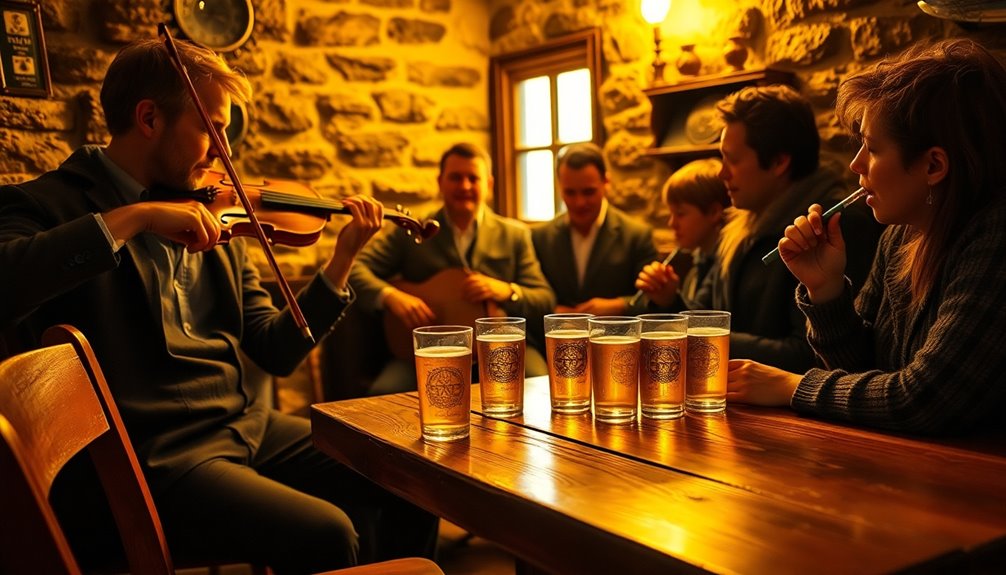
Learn English Through Traditional Irish Music Sessions
Study English In Ireland
January 3, 2026

You can boost your English by joining relaxed traditional Irish music sessions where tunes, songs, toasts and chat expose you to natural speech, regional accents and everyday expressions. The informal, repeat-driven format helps vocabulary stick and gives low-pressure chances to try speaking, ask about tunes, and pick up musical terms like “set” or “reel.” Pay attention to rhythm and nonverbal cues, follow session etiquette, and you’ll gain both language and cultural insight — keep going and you’ll find practical tips and resources.
Because they’re informal and repeated, traditional Irish music sessions are perfect for language learners: you’ll hear natural speech, regional accents, and everyday expressions while enjoying tunes, which makes picking up vocabulary and rhythm of the language feel effortless. You’ll join a space where musical improvisation meets relaxed conversation, so you’ll practice listening and speaking in context without pressure. Sessions invite cultural exchange; people share stories, jokes, and song verses, giving you real examples of idioms and tone. You can pick phrases from choruses, mimic phrasing, and try responses that feel authentic. If you want freedom to learn at your own pace, sessions let you absorb patterns, jump in when ready, and experiment with language in a living, welcoming setting.
After a few sessions you’ll notice patterns in how people gather and play — the atmosphere is usually relaxed, noisy, and welcoming, with musicians arranging themselves in a loose circle or around a pub table. You’ll slip into the session dynamics quickly: tunes start and stop organically, breaks happen for conversation, and newcomers are invited to join or just listen. You’ll want to watch musical etiquette — don’t interrupt a tune, clap between sets, and follow cues for solo turns. Feel free to move around, request a tune politely, or simply soak up the sounds. Sessions value openness and respect, so you’ll have freedom to participate at your comfort level while learning rhythm, phrasing, and informal English through real interaction.
Knowing a few common musical terms will make sessions easier to follow and help you join in more confidently. You’ll pick up words that describe tunes, tempo, and form so you can move between reels, jigs, and airs—understanding musical genres helps you recognize what feels right. Learn basic phrases like “set,” “break,” and “repeat,” and you’ll know when to play, when to pause, and when to support others. These terms carry cultural significance, so using them respectfully connects you to the tradition while keeping your freedom to explore variations.
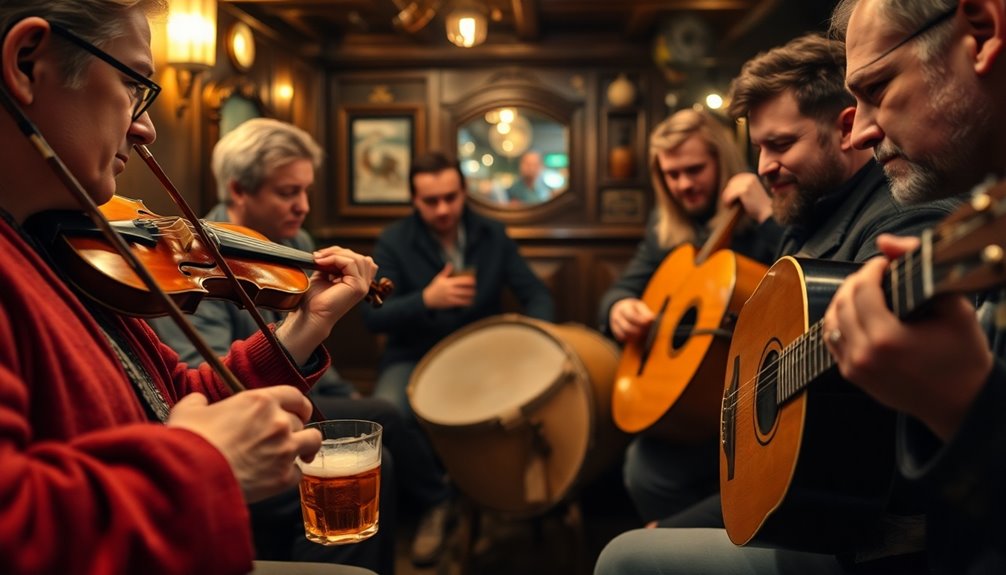
When you listen closely to Irish music, you’ll start hearing subtle accents and rhythmic patterns that shape each tune’s character; these cues tell you where to breathe, when to lift a phrase, and how dancers expect the beat. You’ll learn to notice accent variations between regions and players, which guide phrasing and emotion without forcing you into rules. Let your ear roam: focus on repeats, syncopation, and tempo shifts to map common rhythm patterns like jigs and reels. Practice freedom by choosing recordings that inspire you, then compare versions to hear personal touches. Keep sessions short, attentive, and curious — that way your listening becomes a toolkit for understanding musical speech while staying open and independent.
If you want to join conversations and offer toasts in Irish music settings, start by listening for openings—pauses, smiles, or eye contact—and matching the group’s tone before you speak. You’ll move confidently if you respect basic toast etiquette: raise your glass when others do, keep it brief, and aim for warmth rather than grand speeches. Use simple conversation starters about the tune, the session’s history, or where people learned to play. Stay relaxed, speak clearly, and let others lead when they wish. Your goal is connection and freedom to express yourself, not to dominate. Practice short toasts, ask open questions, and follow nonverbal cues to join naturally.
Listen for openings, match the group’s tone, keep toasts brief and warm, and let conversation flow naturally.
Because Irish music is as much about stories as it is about melody, you’ll encounter distinct song types—ballads, lilting airs, work songs, laments, and comic or drinking songs—each carrying its own rhythms, language, and occasion for singing. You’ll learn song storytelling techniques: narrative ballads that trace journeys or rebellions, lilting airs that convey emotion without words, and laments that teach poetic phrasing. Pay attention to refrains, dialect, and local references; they reveal cultural significance and let you connect with the community’s history. Try listening, singing along, and asking about a song’s origin. That curiosity gives you linguistic freedom and a personal route into idioms, metaphors, and the social cues embedded in each tradition.
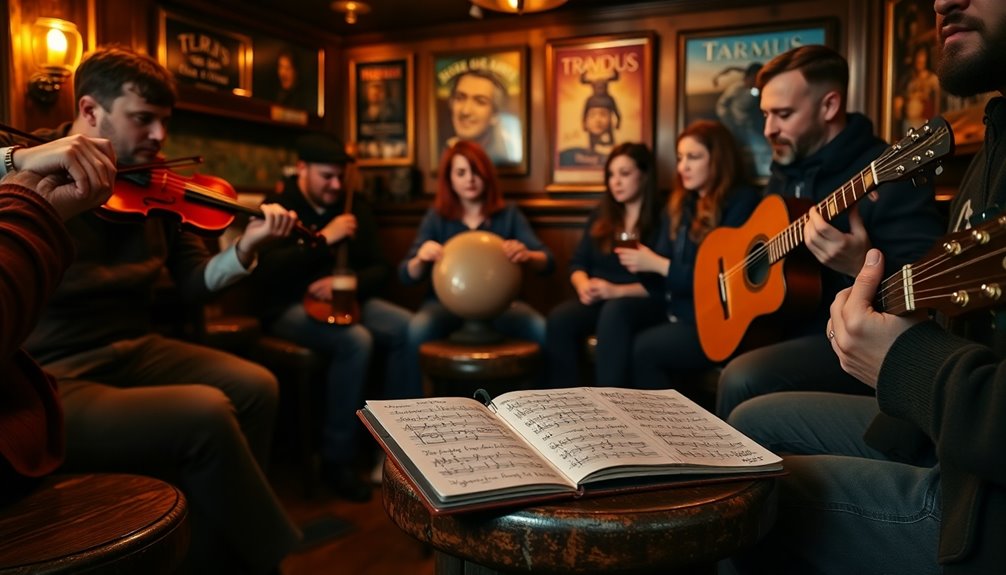
When you learn common tune-related terms like reel, jig, and hornpipe, you’ll start to recognize patterns in session sets and directions. Pairing those terms with contextual lyric vocabulary from songs helps you guess meanings and remember phrases. Use sessions as practice labs: listen, note unfamiliar words, and check how they’re used in musical and lyrical context.
Think of your session repertoire as a living glossary: learning a few common tune-related terms will help you follow calls, join in smoothly, and describe what you hear. You’ll notice tune types (reels, jigs, hornpipes) and learn to name phrase origins so you know where melodies come from and why they breathe the way they do. That vocabulary frees you to choose when to lead, when to echo, and when to sit back.
Lyrics in sessions give you more than singalong fun — they’re a fast, memorable way to learn everyday vocabulary and cultural phrases in context. You’ll use lyric analysis to pick up colloquial words, idioms, and storytelling patterns that textbooks don’t teach. Listen for repeated lines, metaphor, and place names; they stick because tunes help memory. Practice singing, then paraphrasing verses to solidify meaning and pronunciation. Pair each phrase with an image or action so new words become muscle memory. For vocabulary expansion, create a short list of target words from songs and revisit them between sessions. You’ll gain language that frees you to join conversations, understand local references, and express yourself more naturally.
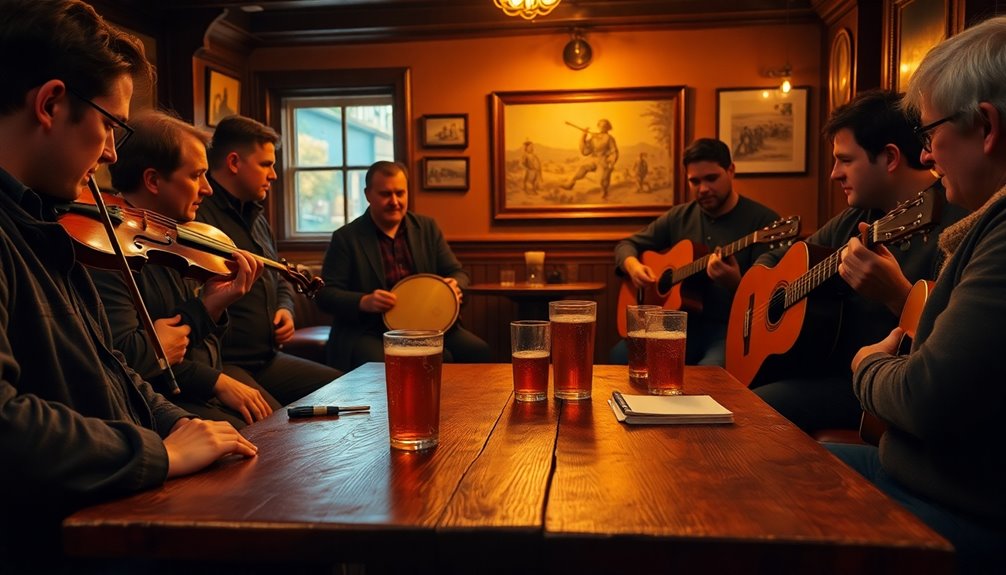
If you want to join an Irish music session, listen first and step in gently: observe the flow, let quieter instruments lead, and wait for a natural break before adding your voice or instrument. You’ll want to follow simple session etiquette and practical joining tips so the group stays open and free. Introduce yourself quietly, ask if a tune’s known, and match tempo and ornamentation rather than forcing your style. Stay flexible, back off when others solo, and let the music breathe. Your presence should enhance, not dominate. Keep conversations brief and inclusive between sets; that respect keeps sessions welcoming and alive.
Between sessions, you can keep improving by using curated listening playlists to tune your ear to accents and rhythm. Try focused lyric-study exercises to boost vocabulary and understanding of idioms. Pair that with conversation partner apps to practise speaking and get real-time feedback.
Anyone can boost their listening skills by using targeted playlists that combine slow, clear vocals with faster, idiomatic tracks for variety. You’ll find listening strategies that help you catch rhythm, slang, and accent while keeping practice enjoyable and freeing. Use playlist recommendations to structure short, daily sessions that fit your life; you’ll gain confidence without feeling tied down. Choose mixes that alternate narration, ballads, and upbeat reels so you hear different vocab and speech rates. Follow a simple routine: preview, listen actively, and note unfamiliar phrases for later review.
A great way to practice between sessions is to study song lyrics in short, focused bursts: pick a song, read the lyrics, listen while following along, and mark phrases you don’t know. You’ll gain confidence by doing targeted lyric analysis, noting idioms, contractions, and pronunciation. Choose songs that let you roam—ballads, jigs, or rebel songs—so your learning feels liberating, not boxed in. Reflect on cultural significance to understand why certain words or images matter, then write brief paraphrases or questions about lines that move you. Keep sessions brief and regular: five to twenty minutes. Swap notes with session friends or journal your discoveries. This keeps your English active, personal, and rooted in tradition without losing freedom.
Studying lyrics is great for vocabulary and cultural insight, but practicing real-time conversation helps those words come alive. You want freedom to speak, so use conversation partner apps to try phrases from sessions, get instant feedback, and build confidence. Seek language exchange communities that match you with native speakers who love music, and choose app recommendations that prioritize voice chat and flexible scheduling. Treat each chat like a mini session: share a verse, ask about meaning, correct gently, and keep it playful. These apps let you practice between gatherings without pressure, so your English flows as naturally as a reel.
When you learn English through Irish music, cultural context turns songs into living lessons: lyrics, rhythms, and stories reveal local expressions, history, and social norms that textbooks often miss. You’ll gain cultural immersion that frees you to use idioms and forms naturally, and you’ll notice subtle language nuances in phrasing, humor, and timing. Listening and joining sessions lets you pick up conversational beats — when to pause, when to joke, how to address someone respectfully yet casually. That sense of freedom helps you experiment without fear, because the music supports trial and error. Pay attention to stories in songs; they teach vocabulary, register, and cultural references so your English feels authentic and alive.
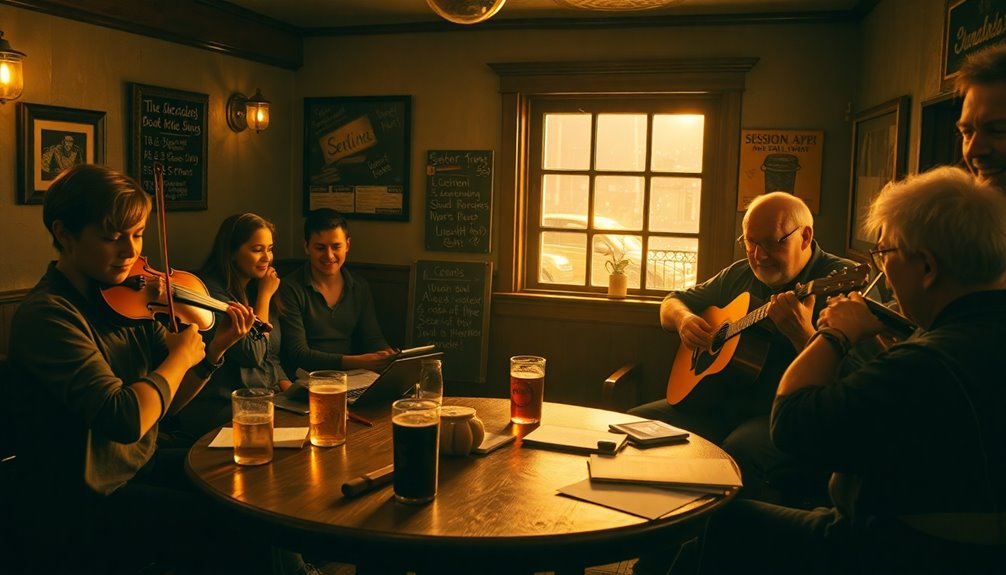
When you’re planning a visit, start by locating local sessions at pubs, cultural centres, or music schools so you know where musicians gather. Check community event calendars and social media groups for dates, times, and any admission details. Bringing a respectful attitude and a willingness to listen will help you join in and learn from the experience.
Finding local Irish music sessions is easier than you might think: start by checking community noticeboards, social media groups for musicians, and listings on venue websites to spot regular gigs and open sessions you can join or attend. Use local resources and session directories to map options, note styles, and pick sessions that match your comfort level. You’ll want to know whether a session welcomes learners, whether it’s loud or relaxed, and if it’s seated or standing — these details let you choose freely. Reach out to hosts before you go, arrive early to listen, and bring a notebook for tunes and phrases you pick up.
If you want to plan visits around multiple sessions or community events, check community event calendars — they’ll give you dates, times, venues, and often notes on who’s welcome and whether the session’s beginner-friendly. Use local council sites, music project listings, and Facebook groups to spot open sessions, festivals, and informal meetups. You’ll pick when to travel, stay flexible, and avoid gatekeeping by choosing gatherings that value community engagement. Organizers often post contact details and event promotion images, so you can ask about repertoire, etiquette, or whether you can play along. Bookmark calendars, subscribe to alerts, and follow promoters who share spontaneous sessions. That way you’ll shape visits that suit your pace and curiosity.
Yes — you can bring your own instrument; you’ll follow basic instrument etiquette, ask before joining a tune, and use beginner tips like listening first, keeping volume low, and choosing simple parts so you’re free to learn comfortably.
Yes — you’ll be okay even if you fear messing up; absolute beginners thrive here through relaxed language immersion, you’ll feel free to experiment, join in at your own pace, and grow confidence while enjoying music.
Yes — you’ll be welcome: sessions keep a family friendly atmosphere, so non drinker acceptance is explicit. You can join freely, enjoy tunes, chat, and learn without pressure, choosing comfort and fun on your own terms.
Usually there’s no strict entry fee—think of a welcoming hearth—though venues may have an entry fee structure or gentle donation expectations; you can come freely, pay what feels fair, and stay as long as you like.
You usually can’t record without permission; you should ask first. Respect session etiquette, get consent, explain your recording techniques, avoid disrupting players, and honor performers’ wishes so everyone keeps the freedom to play and share comfortably.
You’ve dipped your toes into a lively, centuries-old stream where language and music braid together; let them carry you. Sit, listen, speak when you’re ready, and watch unfamiliar sounds unfurl into friends. Each session is a small lighthouse—guiding you through accents, rhythms, and local laughter—helping you navigate fluency not as a destination but as a shared journey. Keep returning; the tunes will teach your tongue to belong.
https://shorturl.fm/Ayl3O
https://shorturl.fm/dPslz
https://shorturl.fm/Ie2PI