History of Summer Language Courses in Ireland
Study English In Ireland
March 2, 2026

You’ll find summer language courses in Ireland began in the 19th century as community-led gatherings focused on songs, stories and practical learning, driven by cultural survival and personal freedom. Over time they attracted international students and evolved into immersive programs offering urban and Gaeltacht options, homestays, music nights and task‑based teaching. Teaching moved from drills to conversational methods that stress participation. Keep exploring and you’ll uncover regional differences, curricular shifts and practical tips for attending a course.
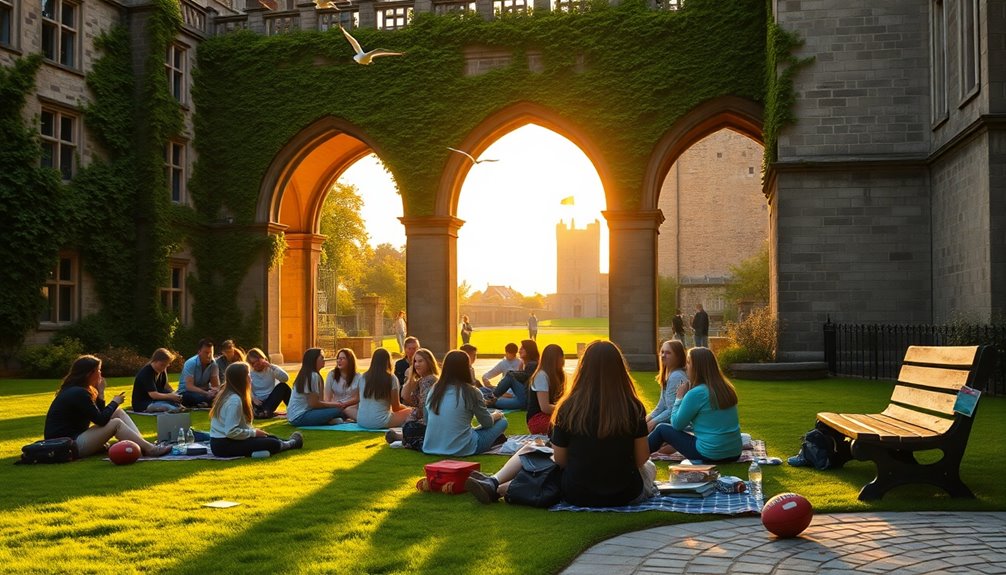
Though formal summer language programs in Ireland look modern, their roots go back to the 19th century when antiquarians, schoolteachers, and clergy began organizing seasonal courses to preserve Irish Gaelic and teach English to rural communities. You’ll sense how early language initiatives were driven by people who wanted cultural survival and individual liberty through speech. Those historical influences mixed revivalist passion with practical education, creating local summer gatherings where language, song, and storytelling freed minds from isolation. You’ll find that these modest beginnings emphasized community ownership and learning by doing, not rigid curricula. If you’re seeking autonomy in study, you’ll appreciate how those pioneers trusted learners’ choices, laying groundwork for the flexible, learner-centered programs that followed.
Those grassroots summer gatherings set a template that later made Ireland attractive to learners from abroad: community-led classes, music, and storytelling evolved into programs that welcomed international students seeking immersive, people-centered language experiences. You’ll notice how international collaborations expanded course offerings, scholarship paths, and exchange visits, changing student demographics and expectations. You’re invited to choose programs that value autonomy, conversational fluency, and cultural participation rather than rigid testing. Practical partnerships with universities and host families gave you direct access to lived language. As demand grew, organizers kept freedom of learning central, offering flexible timetables and elective workshops so you could shape your own journey.
When you pick a summer course in Ireland, the experience varies sharply by region: Dublin offers fast-paced urban immersion with university-led programs and networking events, Galway blends city energy with traditional music and small-group conversational classes, and rural areas or Gaeltacht regions focus on intensive speaking practice with host families and community activities. You’ll choose based on how much freedom you want: Dublin dialects and cosmopolitan life suit you if you’re after varied accents and nightlife; Galway traditions call to you if you crave creative scenes and nearby coastlines. In Gaeltacht settings you’ll be expected to speak daily, which accelerates fluency. Rural programs let you roam landscapes while practicing language informally. Pick the vibe that lets you explore, connect, and learn on your own terms.
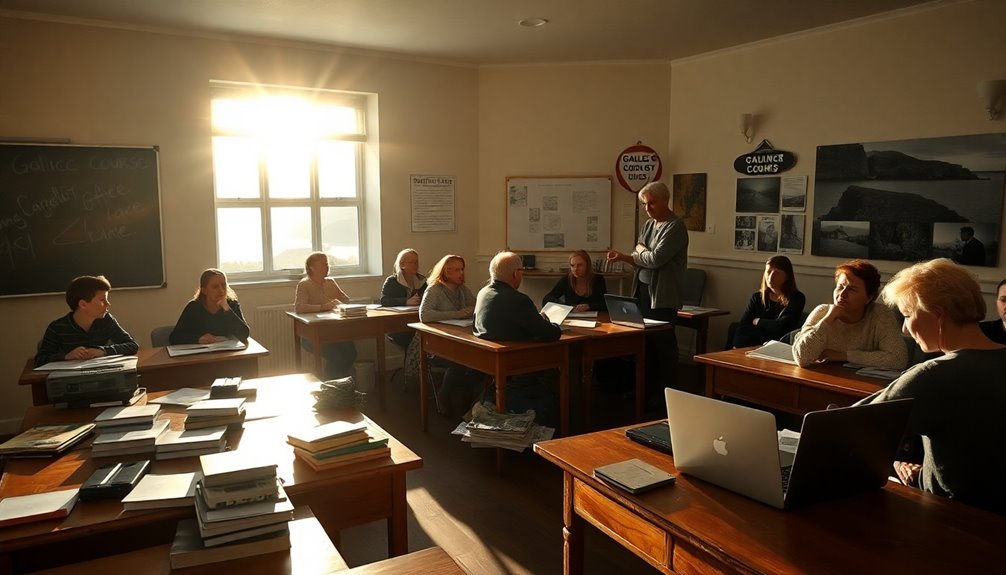
You’ll notice early summer courses leaned heavily on grammar drills and structured lessons. Over time, teachers shifted toward communicative methods that get you speaking and interacting from day one. That change reshaped classroom activities, materials, and assessment.
Although early summer courses in Ireland often leaned heavily on grammar drills and textbook exercises, you’d find that this focus was born from a desire for measurable progress and classroom control. You trace grammar evolution through rigid lesson plans and frequent tests, yet you can sense instructors experimenting with varied pedagogical approaches to balance structure and autonomy. You want methods that free you to use language, so teachers gradually loosened strictures while keeping clear goals. That tension shaped curricula: accuracy remained prized, but flexibility grew. You’re shown how early routines created a platform for later innovation without sacrificing standards. The legacy is a pragmatic start that respects order yet opens paths to learner freedom.
Over a couple of decades, summer programs in Ireland shifted from grammar-first drills to communicative classrooms that get you using language from day one; teachers reworked syllabuses to prioritize interaction, task-based activities, and real-world topics while keeping assessment that checks for accuracy. You’ll find classrooms that value freedom to explore language through role-plays, projects, and outings, where communicative strategies replace rote repetition. Instructors coach you to negotiate meaning, take risks, and tailor speech to contexts, so learning feels liberating rather than rigid. Student engagement is tracked by participation, authentic tasks, and reflective feedback, not just tests. This shift gives you autonomy to shape your learning path while ensuring you build accuracy, fluency, and confidence for real-life communication.
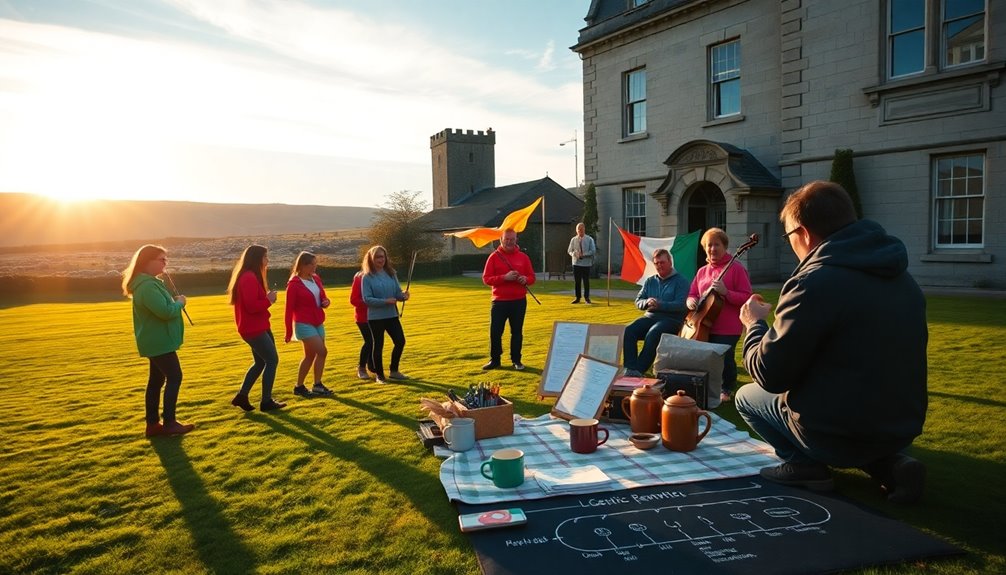
While classes build your language skills, the cultural and extracurricular elements bring them to life—local homestays, guided city walks, music nights and volunteer projects give you real chances to practice Irish or English in authentic settings. You’ll choose experiences that match your pace and curiosity, enjoying cultural immersion beyond the classroom. Extracurricular activities let you roam freely, try trad music sessions, join storytelling circles or help with community events, and you’ll learn practical phrases naturally.
These options empower your independent learning and joy.
Now that you’ve seen how cultural activities make language real, it helps to prepare practically so you get the most from your program. Pack light, bring versatile clothes for Ireland’s shifting weather, and include a small notebook for phrases you’ll want to keep. Embrace language immersion by setting daily goals: a coffee-order challenge, a short chat with a host, or journaling only in the target language. Check student accommodations beforehand — know internet access, kitchen use, and nearby transport — so you can explore freely. Carry a reusable card with emergency contacts and school info. Balance classes with unscripted walks, pub conversations, and museums; those spontaneous moments build fluency and independence faster than extra drills. Trust curiosity, stay open, and enjoy the freedom to learn.
They were funded through mixed historical funding: private fees, parish or cultural society support, modest government grants and donor scholarships, so you’ve seen language course evolution shaped by community backing, market demand, and occasional public subsidy.
Absolutely — yes: you’ve seen political influences trigger course cancellations, as upheaval and fear — like a sudden storm — forced programs to pause; you’ll remember organizers fighting to restore freedom of study and movement afterward.
Yes — you could get scholarships for disadvantaged students; eligibility varied, and you’d often need to demonstrate need. Financial aid packages, bursaries and reduced fees were offered so you’d have freedom to attend despite limited resources.
You saw homestay experiences dominate early, then hostel accommodations and dorms grew with budget travelers; later private rentals, B&Bs and boutique residences expanded, so you could freely choose comfort, community or independence.
You played a key role: private institutions expanded access, offered flexible courses and language immersion experiences, tailored programs to learners seeking freedom, and competed to innovate teaching methods, accommodation options, and extracurricular cultural activities.
By tracing summer language courses in Ireland, you’ve seen how modest beginnings grew into vibrant, varied programs across Dublin, Galway and beyond. You’ll notice teaching styles and curricula have shifted like tide and time, and cultural activities now weave language with lived experience. If you’re planning to join, expect immersive learning, welcoming communities, and practical tips that turn challenges into opportunities. Embrace the journey — it might just change the way you speak and see the world.