Top 10 Short-Term Student Rentals for Language Courses
Study English In Ireland
February 19, 2026

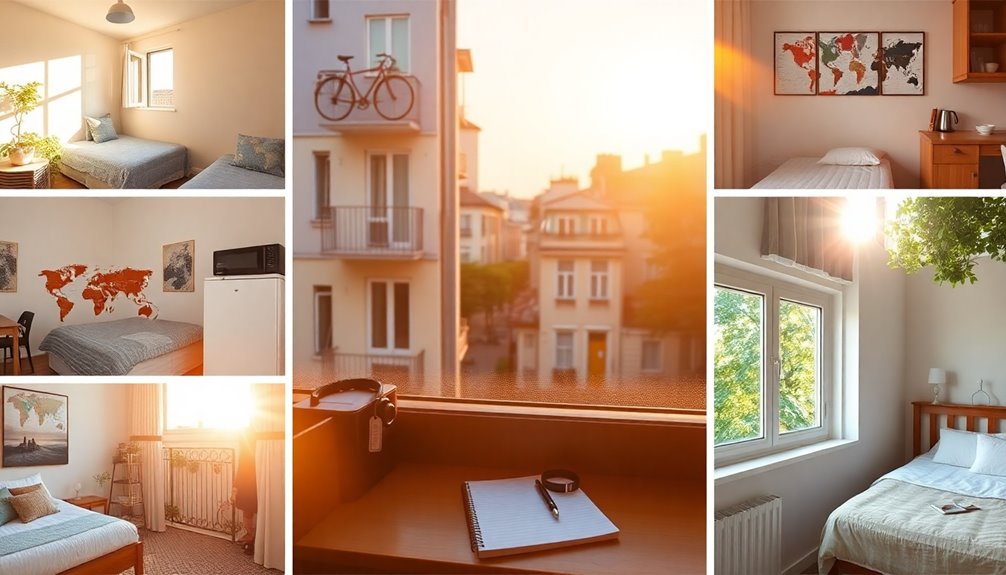
You’ll find short-term rentals that fit study, budget, and safety: shared apartments and cozy private rooms for social support; furnished studios and serviced mini-apartments for quiet focus; homestays with host families for immersion; university dorm rooms and student residences partnered with language programs; budget hostels with monthly stays; and short‑lease co‑living spaces with community events. Check verified reviews, cancellation policies, and security features. Keep going and you’ll get tips to choose the best fit for your course.
If you’re studying abroad on a tight budget, shared apartments near language schools give you the perfect balance of affordability and convenience. You’ll save on rent and transport while living steps from classes, which reduces daily stress and keeps your schedule predictable. Shared apartments also support community living: roommates often share chores, safety routines, and local tips, so you won’t feel isolated. Choose listings with secure entry, clear house rules, and verified references to protect your belongings and peace of mind. Expect basic private or shared bedrooms with communal kitchens and living areas where informal study groups can form. That setup encourages cultural exchange—roommates from different countries help you practice language skills, share meals, and learn customs in a low-pressure setting. Before you commit, confirm contract length, guest policies, and emergency contacts so you’ve got reliable safeguards in place while you focus on learning.
For short language courses, a furnished studio flat gives you everything you need in one compact, private space—sleeping, studying, and cooking without the hassle of buying furniture or sharing common areas. You’ll appreciate the convenience of furnished apartments that let you arrive with just a suitcase, settle quickly, and focus on lessons. Studios often sit in safe neighborhoods near schools or transit, so you can walk or take a short ride home after evening study sessions. Look for secure entry systems, good lighting, and clear emergency contacts in the rental listing. A compact layout helps you create a dedicated study corner without distractions, and a small kitchenette means you control your meals and budget. If you want language immersion without sacrificing privacy, studios give you quiet practice time and easy access to local cafés and meetups. Before booking, confirm Wi‑Fi speed, laundry access, and landlord responsiveness to keep your stay smooth and secure.
Switching from a private studio to a homestay puts you directly into daily life with native speakers, which can accelerate your language learning and cultural understanding. You’ll practice speaking naturally during routine moments and benefit from immediate corrections in context. Homestays emphasize cultural exchange: you’ll learn customs, idioms, and local routines that guidebooks don’t cover.
Hosts usually offer a private room and clear house rules, so you can expect safe, structured stays. Ask about background checks, references, and emergency contacts before booking. Discuss arrival logistics, guest privacy, and shared spaces to avoid misunderstandings.
Family meals are a prime opportunity to hear conversational speech, try regional dishes, and build rapport quickly. If you have dietary restrictions or study schedules, state them up front. Respectful curiosity and punctuality go a long way toward a positive experience. When matched thoughtfully, a homestay gives immersive practice and a secure base while you focus on language progress.
University dormitory rooms available short-term give you an affordable, community-focused option that’s especially convenient near campus events or summer courses. You’ll find straightforward booking, reliable security measures, and dormitory amenities like laundry, study lounges, and on-site staff that make day-to-day life easier. Rooms are usually basic but well-maintained, so you can focus on classes and language practice without surprises.
You’ll appreciate clear roommate rules and building access controls that support safety and respectful behavior. If student privacy matters, look for single rooms or halls with private bathrooms and lockable doors; many dorms balance community living with private study spaces. Before you book, confirm guest policies, noise hours, and emergency contacts so you know what to expect. Short-term dorm stays are practical if you want budget-friendly housing close to instruction, structured routines, and campus resources. They’re especially good when you value convenience, predictability, and a supportive student environment.
While you’re sharing common spaces, a cozy private room in a shared flat gives you the quiet and privacy you need to study or rest without losing the social perks of communal living. You’ll enjoy private room amenities like a lockable door, comfortable bed, desk lighting, and reliable Wi‑Fi so lessons and homework stay uninterrupted. Shared kitchen appliances and a tidy living area let you cook and unwind while still meeting roommates who can help you practice the local language.
Before you move in, ask about cleaning schedules, guest policies, noise hours, and safety features—shared flat etiquette keeps everyone comfortable and secure. Look for flats with clear emergency procedures, smoke detectors, and good locks. If you communicate your study needs and respect communal spaces, you’ll balance focused work with socializing. Cozy private rooms offer a practical, safe base for language courses without isolating you from daily life.

If you liked the privacy of a cozy room but want to be in the heart of the action, short-term sublets in central neighborhoods give you convenience without a long lease. You’ll get central location advantages like quick transit to classes, easy access to cafes and libraries, and shorter commutes that free up study time. Pick buildings with secure entry, well-reviewed safety protocols, and clear sublet terms so you’re protected during your stay. Sublets let you test neighborhoods before committing, and they often come furnished, letting you travel light.
Living centrally also offers cultural immersion benefits: you can join local events, practice the language in daily exchanges, and explore museums or markets after class. Choose hosts with transparent references and meet them before moving in when possible. That way you’ll enjoy urban energy, practical safety measures, and an immersive language experience without sacrificing comfort or peace of mind.
One great option is student residences partnered with language programs, which bundle convenient housing with structured lessons and cultural activities so you can focus on learning without juggling logistics. You’ll arrive to vetted accommodations where safety protocols, secure entry, and staff support are standard, so you can concentrate on study. Daily or weekly group sessions make language exchange easy and natural, while scheduled cultural immersion outings introduce local customs with guided oversight. Roommates are often fellow learners, so practice opportunities feel low-pressure and purposeful. Administrative coordination means billing, class placement, and emergency contacts are handled through one office, reducing stress. Before booking, check program accreditation, residence security features, roommate policies, and whether extras—meals, transport, or excursions—are included. This setup’s combination of structured lessons and supervised social activities gives you focused study time plus safe, meaningful practice, ideal if you want immersion without sacrificing clarity, security, or reliable support.
Because you’re short on time and want comfort without hidden chores, serviced mini-apartments with weekly cleaning strike a sweet balance between independence and convenience. You’ll have your own compact kitchen and private sleeping area, plus serviced amenities like linen changes, waste removal, and basic toiletries provided on a schedule that keeps your space tidy and secure. Weekly cleaning means you can focus on classes and exploring the city without sacrificing hygiene or safety.
These units often sit in monitored buildings with secure entry, giving you peace of mind when you return from evening study sessions. Look for properties that advertise rental flexibility so you can extend or shorten your stay without penalties if your course dates change. Read reviews about responsiveness and check local emergency contacts. With a clear contract outlining cleaning times and access rules, you get autonomy plus dependable housekeeping—ideal when you want a low-stress, safe base for an intensive language program.
Serviced mini-apartments offer privacy and predictable upkeep, but if you’re watching your budget and want a more social vibe, monthly stays at budget hostels are worth considering. You’ll save on rent and utilities, which makes budget travel feasible while you focus on classes. Look for hostels that offer secure, key-card access, 24/7 reception, and lockers so you can feel safe storing valuables between language lessons.
Choose a hostel with reliable Wi‑Fi, quiet study areas, and basic kitchenette access so you can prepare simple meals and keep costs down. Check reviews for cleanliness and noise levels; good hostel amenities include regular cleaning, laundry facilities, and clear house rules that protect overnight rest. Staying in a shared dorm or a private room lets you balance social interaction and solitude. Before you book, confirm cancellation policies, local transport links, and proximity to your school. Monthly hostels can be a practical, sociable option when you prioritize safety and savings.
If you’re looking for more privacy than a hostel but don’t want a long-term lease, short‑lease co‑living spaces give you furnished rooms, flexible contracts, and built‑in community for weeks or a few months at a time. You’ll get a private or semi-private room with secure access, regular cleaning options, and clear terms so you’re not tied down. These places often organize community events—welcome nights, language exchanges, or local outings—so you can meet other students safely and build a routine. Shared kitchens and lounges make it easy to join study groups or practice conversation after class, while on-site managers handle maintenance and safety concerns. Look for listings with transparent cancellation policies, verified reviews, and CCTV or staff presence. Short-leases are ideal if you want a predictable, supportive base during an intensive language course: they balance independence with social life, and they let you focus on learning without compromising comfort or security.
Sometimes — it depends on the listing and landlord. You’ll want to confirm utilities coverage and internet access before booking; some places include electricity, water, and heating plus reliable Wi‑Fi, while others charge extra or set usage caps. Ask for a clear breakdown in writing, emergency contact info, and speed guarantees for internet access. That way you’ll avoid surprises and feel safer knowing what’s covered and what you’ll need to pay.
Yes — you can often extend beyond the short-term lease. For example, a student extended a four-week stay two extra weeks by arranging lease flexibility options with the host and paying modest extension fees. You’ll want written confirmation, clear new dates, and any adjusted security deposit or house rules. Ask about cancellation policies and insurance too, so you’re safe and protected if plans shift unexpectedly.
Yes — you’ll find designated quiet study spaces on the property. The study environment is designed to support focused work, with controlled noise levels and clear signage to keep disturbances minimal. You’ll have access to well-lit rooms, comfortable seating, and reliable Wi‑Fi, plus policies ensuring respectful behavior. If you’re concerned about safety or specific needs, ask management for times, access rules, or reserved spots to guarantee a secure, calm workspace.
You’ll usually find cancellation terms clearly stated in your booking details; they explain deadlines for full, partial, or no refunds. If you cancel within the allowed window, the refund process typically refunds to your original payment method within a set number of days. Always check cut-off dates, any administrative fees, and whether exceptional circumstances are covered. If you’re unsure, contact the host or platform promptly so they can confirm safety and next steps.
Yes — deposits are often refundable if you meet the property’s damage and stay conditions. You’ll want to check specific deposit policies: they state reasons for deductions and required documentation. Return timelines vary but commonly range from 7–30 days after checkout or inspection. Refunds are usually issued to your original payment method; ask for a receipt or confirmation and note any dispute process to keep you protected.
You’ll step out each morning into a city that feels like a lesson—streets humming with your new words, room keys jangling like tiny grammar wins. Whether you’re in a cozy shared flat, a sunlit studio, or a kindly host family’s kitchen, these short stays let you live the language between classes. Pack light, listen closely, savor the small routines, and watch unfamiliar sounds become your daily maps to confidence and connection.