Why Choose Ireland for Summer Language Courses?
Study English In Ireland
January 26, 2026

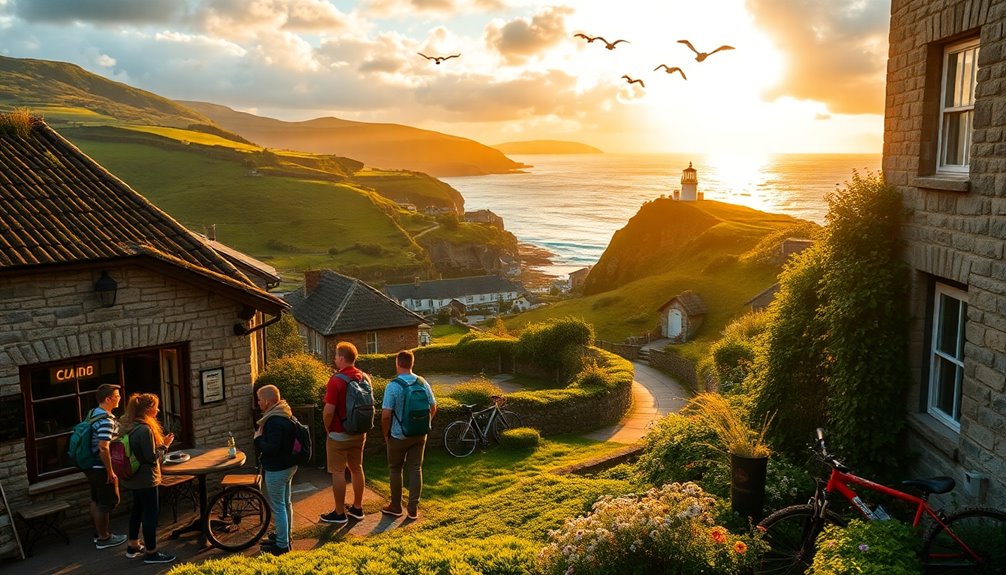
Choose Ireland for summer language courses and you’ll learn fast through immersion with warm, friendly locals and lively cultural events. You can join café meetups, language exchanges, and open-mic nights to practice in low-pressure settings. Cities like Dublin, Galway, Cork and Belfast offer reliable transport, student discounts, and varied accommodation from homestays to city apartments. Schools provide student support, healthcare guidance, and social activities, so stick around and you’ll find practical tips for travel, banking and mobile setup.
If you’re heading to Dublin for a summer language course, pack layers, a reliable rain jacket, and comfortable shoes — you’ll be walking a lot. You’ll find a city that lets you move freely between lively neighborhoods, historic sites, and cozy cafés where you can practice conversation. Embrace language immersion by joining conversation meetups, local classes, and informal exchanges with friendly Dubliners. Cultural experiences range from street music and modern galleries to centuries-old pubs that host storytelling nights — each offers real-life practice away from textbooks. Choose accommodations near transport hubs so you’ll explore at will. Balance study with spontaneous wandering: stroll the River Liffey, pop into museums, and use every encounter to sharpen your speaking and deepen your independence.
Although smaller than Dublin, Galway pulses with live music, street performance, and a Festival calendar that makes it easy to practice English in authentic settings. You’ll find Galway festivals scattered through the year, from arts to food, giving you casual chances to chat with locals and other travelers. The city’s compact layout means you can bike or walk between cafés, galleries, and study spots without losing time. Galway cuisine favors fresh seafood and simple, bold flavors—try local oysters or a hearty chowder while you study. Living costs are friendlier than Dublin’s; shared flats and student houses keep rent manageable, and plenty of public spaces, libraries, and cosy cafés offer relaxed places to read, write, and meet people.
When you choose Cork for a summer course, you’ll find a range of accommodation from homestays to city-center apartments to suit different budgets. Getting around is easy thanks to buses, trains and bike-friendly routes that connect neighborhoods and nearby towns. You’ll also have access to grocery stores, medical clinics, banks and lively cafés that make daily life straightforward.
Because Cork’s compact city center and surrounding neighborhoods each have their own vibe, you can pick accommodation that fits your budget and lifestyle—homestays for immersion and meals, student residences for social life and convenience, private rentals if you want more independence, or budget hostels for short stays. You’ll find clear accommodation types and student housing options listed by schools and local agencies, so you can choose freedom over compromise. Think about whether you want cooked meals, shared common areas, or a private studio; short-term leases are common, and many spots welcome international students. Check reviews, ask about bills and Wi‑Fi, and book early in summer months to secure the vibe you want.
Where you choose to stay will shape how you get around Cork, so it’s worth checking transport links before you book. You’ll want freedom to explore, so pick accommodation near reliable public transport — buses, trains and bike hire hubs — and check schedules for evenings. Consider travel passes if you plan daily trips; they save money and simplify movement. If you’re keen on spontaneity, central spots cut commute time, while peripheral areas offer calm plus quick connections. Below is a quick reference to compare options at a glance.
| Option | Benefit |
|---|---|
| City centre | Short walks, frequent buses |
| Near train station | Fast regional links |
| Suburban area | Quieter, less crowded |
| By bike hub | Flexible, active travel |
| Close to airport bus | Direct arrival/departure convenience |
1 key thing to check before you book is what local amenities and services are within easy reach — shops, cafes, medical centres, banks and post offices all make daily life simpler. In Cork you’ll find flexible accommodation options near class hubs, easy bus and rail links for spontaneous day trips, and nearby local services so you can focus on cultural experiences and language immersion without hassle. You’ll feel free to explore, study, and relax knowing essentials are close by.
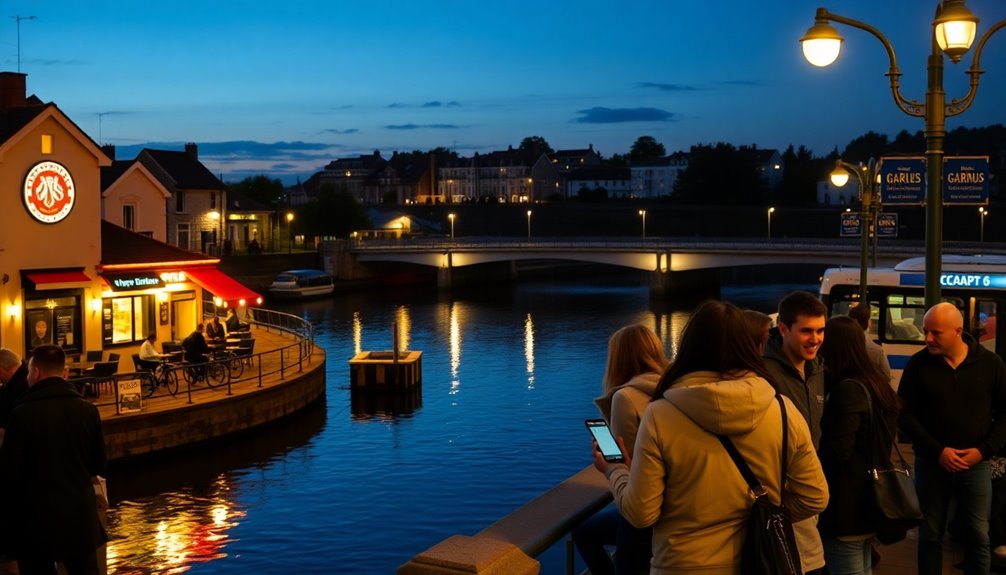
If you’re heading to Limerick for a summer course, you’ll find a lively nightlife that balances safe, student-friendly spots with plenty of support services should you need them. You can jump into live music, pub quizzes, and limerick festivals that bring the city alive, or meet peers at informal student gatherings in cafés and parks. Night venues are used to students, so staff and security prioritize a welcoming vibe. For peace of mind, your school will share safety briefings, local emergency contacts, and buddy systems. Student unions and international offices run social events and offer practical help if accommodation or health issues pop up. You’ll have freedom to explore, knowing support’s nearby when you want it.
Wondering how to make life easier in Waterford during your summer course? You’ll love the relaxed pace and chances for language exchange and cultural immersion. Stay central to cut commute time, and pick homestays or shared flats to practice outside class. Embrace walking and cycling — it’s freeing and cheap. Learn basic transport routes, local etiquette, and emergency numbers so you’re independent from day one.
You’ll feel at home quickly if you stay curious, plan lightly, and choose experiences that give you freedom.
When you arrive in Belfast you’ll find campus transport links that make getting around the city quick and affordable. Check timetables for buses and trains that stop near campus so you won’t be caught out on your first day. On-campus amenities like study spaces, cafés and sports facilities will help you settle in between classes.
Belfast’s campuses are well connected, so you’ll find getting around the city straightforward whether you’re heading to lectures or exploring on weekends. You’ll appreciate campus accessibility and varied transportation options that let you move freely without depending on others. Local buses and trains stop near major campuses, while bike lanes and pedestrian paths make short trips easy. With a smartcard or contactless payment you’ll save time and keep plans flexible.
These links give you independence to shape your Belfast experience.
Getting around the city is easier when your campus itself has the facilities that make daily life simpler. You’ll find modern language labs where you can practice speaking on your schedule, with flexible hours that fit spontaneous plans. Cafés, study lounges, and quiet corners let you work or relax without feeling tied to a rigid routine. Recreational facilities — gyms, sports courts, and green spaces — help you blow off steam between classes and meet people who want the same freedom. Practical services like bike rentals, secure lockers, and a student help desk mean less hassle so you can explore Belfast whenever you choose. The campus becomes a launchpad, not a cage, for an independent summer of learning.
Kilkenny buzzes with chances to practice Irish and English in real-life settings, from conversational meetups at cozy cafés to language tandems with local students. You’ll find language exchange nights where locals and visitors swap stories, and vibrant community festivals that celebrate music and dialects — perfect for flexible learners who want authentic interaction. You can wander medieval streets, join workshop circles, or sit in on open-mic poetry to test new vocabulary. Events are friendly, low-pressure, and let you choose how deep to dive.
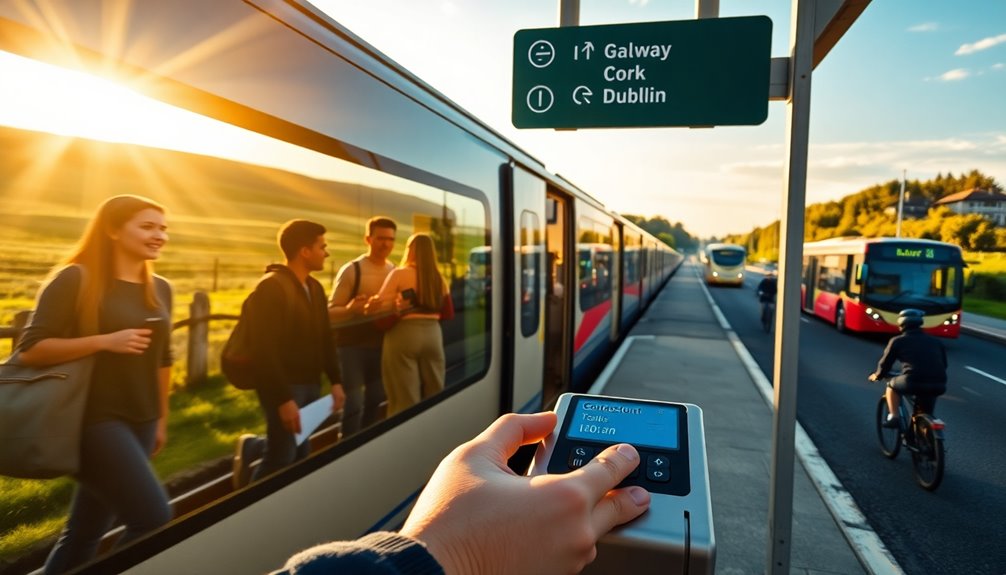
While you’re hopping between cities, Ireland’s mix of trains, buses and budget flights makes travel straightforward and often affordable, especially if you grab student discounts or advance fares. You can rely on frequent train services linking Dublin, Cork and Galway for fast, scenic trips; book early for lower fares and grab railcards where available. Extensive bus routes reach smaller towns and rural spots, often cheaper and flexible for spontaneous plans. Night buses and low-cost flights add options if you want to cover distance quickly. Look into student cards, ISIC discounts and group deals from host schools to save. Pack light, keep schedules on your phone, and embrace the freedom to move between classes, cafés and coastlines without breaking the bank.
One key thing to sort before classes start is your healthcare, banking and mobile setup so you won’t be scrambling later. You’ll want student insurance that covers emergencies and routine care; check what your home policy already covers and top up if needed. Open a local bank account for easy payments, withdraws, and budgeting—good financial planning keeps you free to explore. Get a prepaid or pay-as-you-go SIM for data and calls, or a student plan if you’ll need heavier use. Keep digital copies of documents and set up online banking and health portals.
You can enroll at any level: beginner requirements are minimal, and there’re advanced options if you’re fluent or seeking specialization. You’ll enjoy flexible placement tests, course choices, and freedom to progress at your own pace.
Yes — you can join internships and volunteer experiences during summer programs; you’ll gain internship benefits like real-world skills, networking, and autonomy while volunteering lets you explore communities, build confidence, and shape your own meaningful, flexible adventure.
“Practice makes perfect.” You’ll often get certification benefits: official certificates or credited exams are available, and courses include exam preparation. You’ll choose flexible options, gain recognized credentials, and keep your learning freedom intact.
Yes — you’ll find family involvement and parental support options, letting guardians join programs, stay nearby, or access supervision and activities; you’ll still enjoy independence, with flexible schedules and choices that respect your freedom and the child’s needs.
Like a small sailboat cutting through calm seas, you’ll typically have 8–12 students per class with a 1:8–1:12 teacher-to-student ratio, promoting open classroom dynamics and flexible teaching methods so you can learn freely.