
Budget-Friendly Language Courses in Ireland: How-To Guide
Study English In Ireland
January 5, 2026

You can learn English in Ireland affordably by choosing accredited short or modular courses in cheaper cities like Galway or Cork, using homestays or shared rentals, and booking early-bird or loyalty discounts. Factor in extra fees, cook meals, use student transport passes, and hunt scholarships or community grants. Consider part-time internships or flexible remote work to offset costs, and track everything with a simple budget app — keep going to see practical steps and sample budgets.
When you’re comparing language schools in Ireland, start by distinguishing tuition costs from additional fees so you know what you’re actually paying for; course prices usually cover classroom hours and basic materials, while exam fees, accommodation placement, insurance, and activity packages are often extra. You’ll want to scan published tuition rates and ask about hidden charges so your budget stays flexible. Decide whether short intensive courses or longer part-time options suit your lifestyle, since program duration affects both cost per week and learning momentum. Look for modular programs that let you extend without penalty and verify refund and transfer policies. Choosing schools with clear, itemized invoices gives you control, so you can balance savings with experiences that expand your independence.
Although costs vary widely between cities, you’ll generally find Dublin the most expensive, followed by Cork and Galway, with smaller towns and rural areas offering the cheapest student budgets. For a clear cost comparison, expect Dublin rent (shared room) around €600–€900, Cork €450–€700, Galway €450–€650, and small towns €300–€450. Groceries and transport add €150–€250 monthly; Dublin transport can push that higher. Eating out, phone/data, and leisure vary by your choices — you can cut costs by cooking, cycling, and using student discounts. City insights: Dublin gives convenience but higher bills; Cork and Galway balance culture and price; rural spots grant low costs and more freedom but fewer services. Plan per-city to match your lifestyle.
Finding an affordable language school in Ireland doesn’t mean you have to compromise on quality — many budget-friendly options are accredited by recognised bodies like ACELS (Quality and Qualifications Ireland) or EAQUALS, which guarantees standards in teaching, student support and course content. When choosing, look for accredited language programs so you know your course meets clear benchmarks and offers reliable progress tracking. You can pick smaller schools or community centres that focus on conversation and immersion, letting you design a flexible schedule without breaking the bank. Read recent student reviews, confirm class sizes and teacher qualifications, and ask about placement tests. With careful selection, affordable language schools give you freedom to learn efficiently and travel or work around your studies.
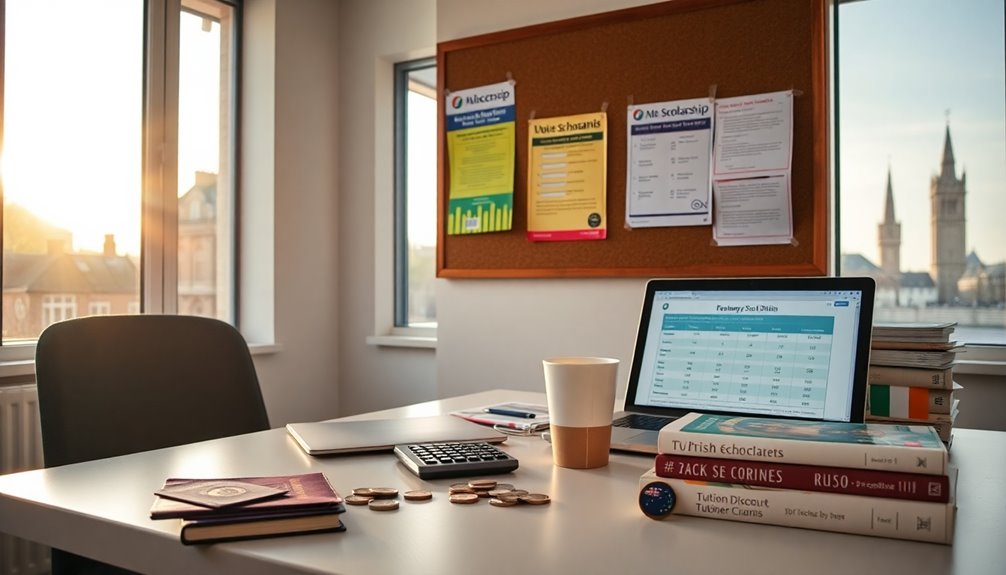
If you’re on a tight budget, scholarships, grants and discount programs can make studying a language in Ireland much more doable — and they’re not just for full-time students. You can chase scholarship opportunities from schools, cultural institutes, and NGOs that reward motivation and potential. Don’t be put off by forms — a focused grant application highlighting your goals and benefits to your community often wins. Look for early-bird course discounts, loyalty offers, and employer sponsorships that let you keep exploring freely without debt.
You can stretch your budget by choosing cheaper stays like hostels, homestays, or university halls that often include utilities. Cook some meals or eat at market stalls and student-friendly cafés to cut food costs. Use student transport passes, bike rentals, and off-peak travel to keep getting around affordable.
When you’re trying to stretch your language-course budget, choosing the right accommodation can cut costs dramatically without sacrificing comfort; consider homestays, student residences, and short-term rentals as your top options. You’ll want hostel recommendations for short stays and local homestays if you crave cultural immersion and flexible schedules. Pick places near your school to save time and feel free to explore evenings. Look for secure, social spots that let you meet others without locking you into long contracts.
One simple way to shave costs is to combine smart transport choices with thrifty meal habits so your language study stays affordable without feeling miserly. You’ll want to pick affordable transport like weekly bus or rail passes, bike-share schemes, and off-peak trains to cut travel bills and keep your schedule flexible. For food, hunt down markets, student cafés, and ethnic takeaways for cheap eats that won’t drain your wallet. Cook in shared kitchens when possible and pack lunches for class days — it saves money and gives you freedom to explore on weekends. Use apps for discounts, join local food groups for supermarket deals, and plan routes to combine errands with commutes to maximize time and savings.
If you’re studying in Ireland, check the student work permit rules so you know how many hours you can legally work while attending language classes. Look for common part-time jobs like retail, hospitality, or campus roles that fit student schedules, and consider internships for sector experience and extra income. For internships, ask your school about placement support, prepare a concise CV, and be ready to network locally.
Wondering how part-time work and internships can help you afford studying in Ireland? You’ll need to check student visa requirements carefully and know when a work permit application is necessary. Rules vary by nationality and course length, so plan ahead to keep your freedom and income steady. Know allowed weekly hours, internship credit limits, and any employer obligations before you start.
Follow regulations and you’ll stretch your budget without risking your stay.
Having your visa and internship rules sorted makes it easier to hunt for part-time roles that actually fit your schedule and goals. You can pick flexible shifts in cafes, retail or hospitality that free up study time and let you explore Ireland on weekends. Look for campus bulletin boards, local Facebook groups and language exchange meetups where informal gigs and tutoring offers pop up. If you crave autonomy, pursue freelance opportunities like copywriting, tutoring online or digital micro-jobs that pay per project and let you work from anywhere. Keep earnings modest and legal—track hours and tax rules. Balance is key: choose work that funds your course without draining energy, so you still have time for classes, travel and practicing the language socially.
One practical step is to target internships that align with your study schedule and visa limits, so you can gain experience without jeopardizing course attendance or legal status. You’ll want roles that let you practice language skills while keeping freedom to explore Ireland. Focus on internship networking to find placements through university boards, local meetups, and alumni groups. Treat each short role as resume building—document achievements, projects, and references. Be upfront about hours, ask for flexible tasks, and look for remote or hybrid options to balance travel and classes.
Because a clear budget keeps your language-study plans realistic, start with simple tools that track income, fixed expenses, and variable costs like course fees and social activities. Use budget planning apps or a spreadsheet for quick cost estimation, and update them weekly so you stay flexible. List tuition, housing, transport, food, visa fees, and a leisure buffer. Compare intensive versus part-time courses to spot savings: lower tuition may mean longer stay costs. Build a small emergency fund equal to one month’s living costs. Sample monthly breakdown: tuition pro rata, rent, groceries, local travel, phone, insurance, social (€150), miscellaneous. Review and trim variable items if totals exceed your target. That way you keep freedom without financial surprise.
Yes — you’ll find family friendly programs in Ireland that mix lessons with children activities, so you can learn together, explore freely, and let your kids play, learn, and roam while you improve your language skills.
A friend once grabbed a weekend ticket and learned fast: you generally can’t get a student visa for very short courses; check student visa requirements and short course eligibility, but you’ll often need longer study to qualify.
Yes — homestays often include meal provisions and basic laundry as homestay amenities, but offerings vary; you’ll want to confirm what’s included, negotiate freedom-friendly routines, and expect more flexibility with longer stays or private arrangements.
Absolutely — you can mix online blended options with local immersion days. Like a bridge between worlds, you’ll use virtual learning for flexibility and still plunge into cultural experiences, so you’ll stay free to learn on your terms.
You’ll need to meet healthcare requirements for visa/entry, carry extensive travel and health insurance, and consider EU/reciprocal cover, private policies, or student-specific plans—compare limits, excesses, and emergency repatriation before you commit.
You’ve got the map now — with tuition types, living costs, cheap accredited schools, funding options, and money-saving tricks laid out like signposts. Follow the practical tips on housing, food, transport, and part-time work, and you’ll stretch your budget without losing the experience. Think of your plan as a trusty umbrella in Irish weather: small, reliable, and keeping you dry when unexpected costs drizzle in. Start budgeting, apply early, and enjoy learning.
https://shorturl.fm/vFV14
https://shorturl.fm/vLd7g
https://shorturl.fm/XZgSm
https://shorturl.fm/RN4E2
https://shorturl.fm/RUV9f