
Budget Student Rooms Near Irish English Schools: Craicpad Quest
Study English In Ireland
December 1, 2025

You can find budget student rooms near Irish English schools by prioritising shared housing, walkable locations, and clear upfront costs. Expect rent to vary by city and season, with utilities and internet typically €40–€100+ per person monthly when split among roommates. Plan for one-time move-in expenses like deposits and bedding, and keep a small emergency fund. Use local listings, negotiate deposits, and set household rules to cut costs — keep going to see practical tips and tools.
When you’re looking for budget student rooms near Irish English schools, average rent gives you a quick way to compare neighborhoods and set a realistic budget; expect variation by city, proximity to campus, and season. You’ll want to track average rental prices across neighborhoods and note housing market trends — these show where supply eases prices or where demand spikes during term starts. Prioritize walkable areas and transport links that fit your lifestyle, and be ready to act when a fair rate appears. Keep records of listings and fees so you can negotiate confidently and preserve your freedom to move.
1 key thing to budget for beyond rent is utilities and internet, since these can add €40–€100+ per person each month in shared student rooms depending on usage and location. You’ll split utility expenses like electricity, gas, and water, so be clear about billing cycles and caps. Internet availability varies: some landlords include broadband, others expect a rota or shared subscription. Ask about average bills, heating type, and whether meters are separate. Plan a buffer for cold months and occasional overages. Being proactive lets you enjoy freedom without surprise costs and keeps communal living fair and simple.
How much will you need for food each week? Expect €40–€70 if you shop smart. Prioritise grocery shopping at discount chains, buy seasonal produce, and choose store brands. Cook simple meals, rotate staples like pasta, rice, eggs, tinned beans and frozen veggies. Do meal prepping on weekends to save time and avoid takeaways; batch-cook portions and freeze extras. Track spending with a basic app or notebook, adjust until you hit a comfortable weekly average, and keep one buffer meal for treats. Eating cheaply doesn’t mean sacrificing choice — it means planning, flexibility, and using your kitchen as freedom.
When planning travel between Dublin, Galway and other towns, you’ll want to compare intercity bus options for the cheapest fares and flexible schedules. Look at rail pass comparisons if you’ll be traveling often, since monthly or student discounts can cut costs. Don’t forget local commuting expenses—city buses, bikes or short-term passes add up, so factor them into your monthly budget.
Several daily coach services link Dublin with Galway and other major Irish cities, offering the most budget-friendly long-distance option for students; you’ll find departures from Dublin Airport and city-centre terminals, travel times around 2.5–3 hours to Galway depending on traffic, and fares that often beat train prices—especially if you book in advance or use student discounts. You’ll want to compare intercity bus routes for directness, stops, and schedules. Check bus ticketing options: single, return, group, and student fares plus mobile tickets. Coaches usually have Wi‑Fi and power sockets, making travel productive and affordable as you explore Ireland.
If you plan to travel by train between Dublin, Galway and other Irish cities, buying a rail pass can cut costs and simplify booking compared with single tickets. You’ll compare flexible and fixed-date passes, checking how many journeys you’ll make and whether off-peak travel suits your schedule. Rail pass advantages include unlimited short hops, simpler refunds, and predictable budgets — handy if you value mobility. Look for student or youth options and seasonal rail pass discounts to stretch your budget. Book in advance online, weigh pass price against individual fares for planned trips, and pick the option that keeps you free.
Rail passes can make longer hops between cities simpler, but daily commuting costs within and between places like Dublin and Galway are a different calculator — you’ll want to compare local public transport fares, commuter rail or bus season tickets, bike-share or scooter options, and occasional taxi rides. You should map commuting routes to spot cheap links, check weekly or monthly passes, and weigh cycling against short bus trips. Look for student discounts, employer or school subsidies, and multimodal apps that show fares. Prioritize flexible, low-cost transport options that match your schedule so you keep freedom without overspending.
When you move into a student room near an English school in Ireland, expect a few one-time payments upfront: a security deposit (usually four to six weeks’ rent or a month’s rent), your first month’s rent, and possibly an admin or key-collection fee. You’ll budget for move in essentials like bedding, cookware and a small grocery run. Ask about deposit negotiations — some landlords accept guarantors or reduce deposits for reliable references. Get receipts, check inventory, and document room condition with photos to protect your refund. Plan this one-off outlay so you keep cashflow flexible for the semester ahead.

You’ll want a reliable monthly budget tracker to see rent, bills, groceries and transport at a glance. Use multi-currency converters to compare costs and avoid nasty exchange surprises when sending money home. For shared flats, split-payment apps make dividing rent and utilities quick and fair.
A simple monthly budget tracker can make the difference between stretching your student loan and running out before the month ends; it helps you see recurring costs, one-off expenses, and how much you can safely spend on food, transport, and social activities. Use a straightforward app or spreadsheet to log monthly expenses and income, categorize spending, and set limits. Review weekly, adjust categories, and earmark savings for rent, bills, and fun. You’ll stay flexible, avoid surprises, and keep freedom to explore. Choose tools with alerts, easy input, and simple reports so budget planning stays effortless and honest.
Because you’ll be dealing with tuition, rent, phone plans, and occasional travel in different currencies, a reliable multi-currency converter is essential for accurate budgeting and avoiding surprise fees. You’ll want online tools that show live rates, fees, and historical trends so you can time transfers and spot bad currency exchange offers. Pick apps with offline mode, customizable currency lists, and quick widgets for daily checks. Verify rates against your bank before moving money, and set alerts for target rates. These converters free you to plan confidently, keep spending predictable, and protect your limited student funds.
After sorting currency quirks, handling everyday bills with flatmates and friends is the next money skill you’ll want: shared-split payment apps make dividing rent, utilities, groceries, and group outings quick and transparent. You’ll choose apps that support local banks and international cards, let you track shared expenses, and send reminders without awkward confrontations. Pick payment platforms with low fees, easy reconciliation, and clear records for disputes. Settle on a primary app, agree on deadlines, and schedule reminders. That routine keeps your budget flexible, protects your freedom to travel or study, and prevents small debts from souring friendships.
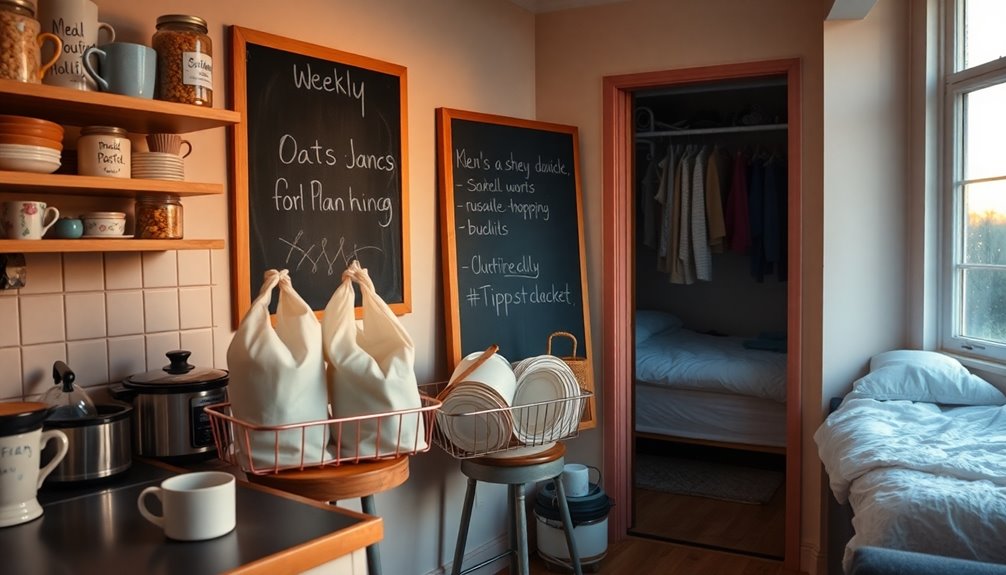
When you choose to share a room or a flat, you’ll cut rent and bills substantially while still keeping enough privacy to study and rest; splitting costs for utilities, internet and cleaning supplies often trims monthly expenses by 30–50%. You’ll want clear agreements on shared responsibilities — chores, bills, guest rules — so friction stays low and freedom stays high. Plan meals with cooperative cooking: rotate menus, bulk-buy staples, and batch-cook to save time and cash. Use shared shopping lists, label portions, and freeze extras. With straightforward rules and simple meal planning, you’ll keep costs down and life flexible.
While studying in Ireland, you’ll want to combine scholarships, part-time work, and other income sources to keep finances steady without overloading your schedule; each option has trade-offs in time, eligibility, and stability. Look for scholarship opportunities from schools, cultural organisations, and language centres—apply early and tailor essays. Balance part time job options like hospitality, tutoring, or campus roles that fit class hours and visa rules. Freelance gigs and microtasks let you control hours and keep freedom. Track earnings, taxes, and study commitments so work complements learning rather than replacing it. Prioritise reliable, low-stress income that preserves your experience.
Because unexpected expenses can crop up at any time, you should set aside a dedicated emergency fund and a clear contingency plan before you arrive in Ireland. Decide on a realistic target—three months’ essential costs is ideal—and build emergency savings gradually from part-time work or a portion of your scholarship. List likely unexpected expenses (medical visits, travel changes, deposit disputes) and assign priority levels. Know local support: banking, embassy, student services, and trustworthy contacts. Keep funds accessible yet separate, like a savings account or prepaid card. Review and adjust your plan each term so freedom stays affordable and stress-free.
Yes — you can find gender-specific student housing near Irish English schools, but options vary by city and provider. You’ll also see gender neutral options and co ed living arrangements if you prefer more inclusive or mixed settings. Check listings and school accommodation services for clear labels, house rules, and roommate matching policies. Ask about security, communal spaces, and whether hosts enforce single-gender occupancy to guarantee your comfort and freedom.
Absolutely — usually you can’t, but exceptions exist; it’s rarer than a unicorn. Check pet policies first: most shared living spots prohibit pets or require owner consent, deposits, and behaviour rules. You’d need flatmates’ approval, landlord permission, and possibly extra cleaning fees or insurance. Service animals are treated differently. Be pragmatic: contact the accommodation, get permissions in writing, and propose compromises like pet-sitters or strict cleaning schedules to keep freedom and harmony.
Typically you’ll find one rental cycle notice: a month’s notice for short-term student lets, sometimes six weeks or a full month tied to rent cycles. Fixed-term lease agreements commonly require you to honor the contract until the end date unless notice requirements or break clauses allow early exit. Check your lease agreements for specific notice periods, break clauses, and penalties so you can plan moves with maximum freedom and minimal cost.
Yes — you’ll often find weekly availability, but it’s a bit of a patchwork. Landlords and local agencies usually offer short term rentals during peak seasons, festivals, or to cover student gaps, though quality and price vary. You’ll want to book early, check cancellation terms, and confirm utilities and cleaning. If you value freedom, hunt marketplaces, hostels turned weekly flats, and community boards for flexible, pragmatic options that match your timeline.
Not always — landlords often ask for an Irish guarantor, but requirements vary by landlord and lease agreement terms. If you’re international and can’t provide one, expect alternatives: larger deposit, rent paid in advance, or agency-guarantee services. Read the lease agreement terms carefully, negotiate what’s feasible, and ask for written exceptions. Stay pragmatic: compare listings, use student housing services, and choose landlords who value flexibility and your independence.
You’ll survive — and maybe thrive — on a shoestring without turning into a broke legend. Expect rent, bills, groceries and a few surprise costs, but plan with apps, a tidy emergency fund and shared living to dodge disaster. Hustle with part-time work or scholarships, cook like a champion, and split everything. With sensible budgeting and a bit of craic, you’ll keep euros in your pocket and memories in your heart — maybe even afford a weekend escape.