
A Student’s Guide to Dublin Homestay for English Students
Study English In Ireland
December 23, 2025

Choosing a Dublin homestay will give you fast English practice, local support, and safer, cheaper living than a private flat. Pick a neighbourhood that fits your study and social needs, use verified host platforms and reviews, and confirm passport, visa, and host contact before travel. Pack adaptable clothes, a Leap Card, and emergency contacts. Be polite, learn house rules, and try English at meals to boost fluency — keep going to uncover tips on transport, costs, and extending your stay.
Wondering which Dublin neighbourhood will suit your homestay best? You’ll want to match neighborhood characteristics to how you live: quiet streets for focused study, lively areas for social nights, or convenient transport if you’ll explore. Think about community vibe — do you want friendly locals, student hubs, or multicultural pockets? Check proximity to schools, cafés and parks so you can move freely without stress. Ask hosts about weekday rhythms and weekend noise. Prioritize what gives you independence: safe streets, easy buses, and spots to meet people. That clarity helps you pick a neighbourhood that fits your lifestyle.
When you need a homestay fast, start with verified host platforms that list ID checks, reviews, and clear host profiles. Use services that offer rapid background checks so you can book confidently without waiting weeks. Before confirming, skim recent guest reviews and the platform’s verification badge to make sure everything’s legitimate.
Several reliable platforms make finding verified homestay hosts in Dublin quick and straightforward, so you don’t have to spend hours vetting listings on your own. They highlight host verification processes, show reviews, and offer trusted host recommendations so you can choose freely. Look for platforms that verify ID, confirm address, and publish clear cancellation and house rules. Use filters for location, budget, and dietary needs, and prefer sites with direct messaging and secure payment. You’ll move faster if you bookmark a few reputable sites, compare profiles, and trust consistent ratings rather than single glowing reviews.
Platform checks save time, but you’ll still want a quick, hands-on way to confirm a host before booking. Start by scanning reviews for consistency, then verify ID and photos through the platform’s tools. Ask for brief references and a recent police or background checks receipt if available. Confirm safety protocols: smoke alarms, emergency contacts, and house rules. Do a short video call to gauge the home and host vibe. Trust your instincts; if anything feels off, move on. These steps keep you independent while reducing risk, helping you pick a verified, comfortable homestay fast.

Before you travel, make sure your passport and any required visa are valid and packed, and keep digital copies in case you lose the originals. Check your booking confirmation for host details, arrival dates, payment receipts, and any house rules so there are no surprises. Finally, save your host’s contact info and the school’s emergency number, and confirm your estimated arrival time so someone can meet you or give clear directions.
What documents do you need to travel and stay legally in Dublin? You’ll need to check passport requirements first — your passport should be valid for the duration of stay, with some countries requiring extra months. If your nationality needs entry clearance, start a visa application early; processing can take weeks. Carry printed copies of your passport and visa, plus digital backups. Bring proof of enrollment, accommodation address, and sufficient funds for immigration checks. Keep originals handy when arriving and during homestay registration. Staying organized lets you focus on freedom and study, not last-minute paperwork.
Once you’ve booked your homestay, make sure you’ve got a clear, printed booking confirmation and an emailed copy saved offline — you’ll need these for check-in and any last-minute questions. Check that the confirmation emails list dates, fees, house rules and cancellation terms so you won’t be surprised. Confirm payment receipts and any special requests (diet, arrival window) during the booking process, and note host names and address in your documents. Keep copies in your luggage and cloud backup. If details differ from what you agreed, contact the agency or host promptly to resolve issues before departure.
How will you get from the airport to your homestay, and who should you contact if plans change? Pack printed arrival procedures, your booking confirmation, passport, and emergency contacts. Email your host with flight details and estimated arrival time at least 48 hours before landing, and confirm transport options—taxi, bus, or pickup. Save your host’s phone number and the agency’s contact; share a local SIM or WhatsApp plan for easy host communication on arrival. If delays happen, message immediately with new ETA. Arrive flexible but prepared: clear documents and prompt updates make settling into your Dublin homestay smooth.
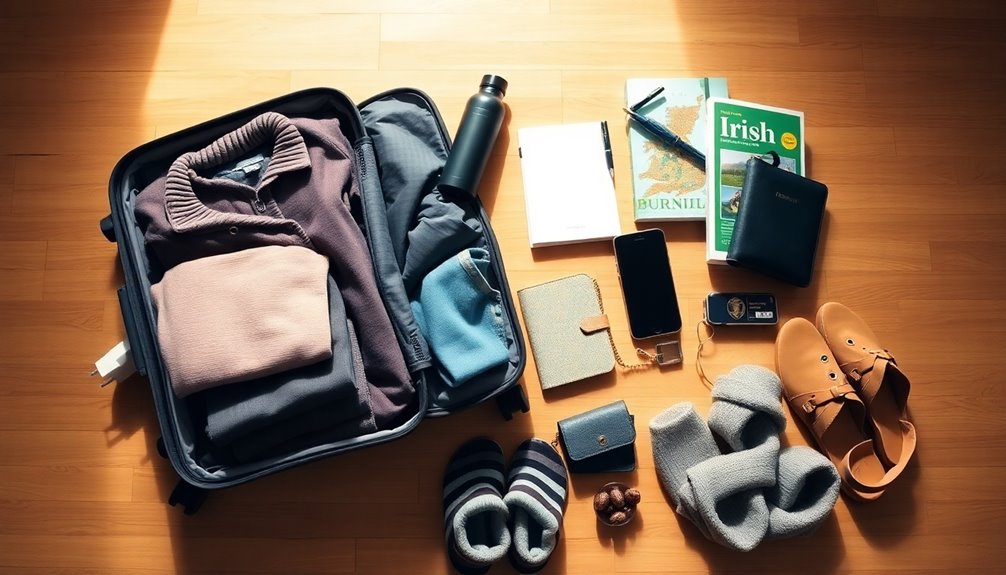
Because Dublin’s weather can change during the day, you’ll want to pack layers and a few weatherproof essentials to stay comfortable and make the most of your homestay experience. Choose versatile clothing options: lightweight jumpers, a waterproof jacket, comfy jeans, and a smart outfit for host family dinners. Bring comfortable walking shoes and a foldable umbrella. Include personal items like toiletries, medications, chargers, and a travel adaptor. Don’t forget copies of important documents and a small daypack. Aim for freedom: pack light, leave room for souvenirs, and prioritize items that let you explore, study, and relax easily.
When you land, double-check the airport meeting details—pickup time, meeting point, and your host’s contact number—so you don’t waste time wandering. Keep first-night essentials in your carry-on (phone charger, a change of clothes, toiletries, and any meds) in case your luggage is delayed. Once you meet your host, confirm travel arrangements to the house and let them know if you need anything right away.
Arriving at Dublin Airport can feel overwhelming, so here’s a clear checklist to help you move from plane to host home smoothly: expect an airport pick up arranged with your host or agency; confirm flight number, arrival time, and meeting point. Share your mobile number and a local SIM arrival plan. Look for a clear arrival greeting sign or a named card in the arrivals hall; if delayed, text your host. Carry a printed address and directions. Keep copies of travel documents and emergency contacts handy. Stay relaxed, follow instructions, and enjoy the first steps toward your Dublin homestay.
Once you’ve met your host at the airport and settled into their car or taxi, there are a few simple things to get sorted that’ll make your first night comfortable and stress-free. Take a quick tour: find your room, bathroom, and where snacks and clean towels are kept. Exchange emergency numbers and Wi‑Fi details. Ask about kitchen use, curfew and basic house rules—this eases first night jitters. Unpack essentials, charge devices, and plan a light meal. Try a short walk to stretch after travel. These settling in strategies help you feel independent and ready for day two.

Although you might feel tired after travel, the first 48 hours are key for settling in and starting a positive relationship with your host, so focus on simple routines, clear communication, and showing appreciation. You’ll make strong first impressions by being punctual, polite, and curious. Ask about shared spaces, offer to help briefly, and listen to household stories—this sparks sincere cultural exchange. Share your needs calmly, confirm local transport and nearby shops, and suggest a short walk or tea to connect. Keep independence in mind, respect privacy, and follow up with a thank-you message to reinforce goodwill.
After you’ve spent the first couple of days settling in and getting to know your host, it helps to map out daily rhythms and house rules so everyone knows what to expect. You’ll want to clarify practical things: quiet hours, bathroom turns, laundry, and meal routines. Ask about house etiquette — like cleaning shared spaces and using the kitchen — and suggest routines that suit your study and social life. Match expectations by observing communication styles; some hosts prefer direct questions, others subtle signals. Stay flexible, check in weekly, and respect agreed limits so you keep freedom without causing friction.
If you want fast, noticeable gains in your English while living with a host family, focus on short, daily habits you can repeat without feeling overwhelmed. Start each morning with five minutes of shadowing a podcast sentence-by-sentence to tune your ear and rhythm. Label household items for passive language immersion, and swap one native-language hour for English-only chat at dinner for focused conversation practice. Keep a tiny notebook of new phrases and use them that day. Aim for small, consistent wins—ten minutes of speaking, listening, or repeating—so you stay free to explore Dublin while improving steadily.
Want to get around Dublin quickly and without overpaying? You’ll rely on public transport: buses, trams (Luas) and trains. Get a Leap Card — it saves you money and speeds boarding on Dublin Bus. Buy and top up online, at stations or retail points; tap on and off where required. Check real-time timetables with apps so you won’t wait. Keep a student concession if eligible. Learn basic routes from your homestay and ask hosts for tips — they’ll point out nearby stops and safe walking shortcuts. With a Leap Card you’ll move freely, explore more, and stay flexible.
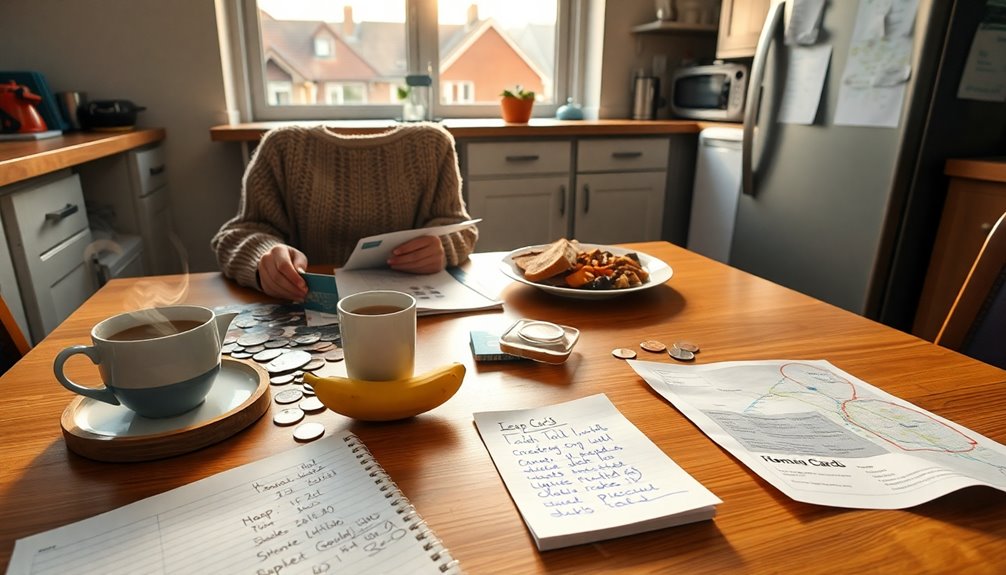
Because money stretches further when you plan a little, you’ll find a simple budget makes life in Dublin much less stressful — and more fun. You’ll track weekly essentials: groceries, transport, and nights out. Use meal planning to buy seasonal produce, batch-cook, and avoid pricey takeaway; share ingredients with housemates. For travel, set a Leap Card routine and factor in transportation budgeting for occasional taxis or longer trips. Allocate a flexible “social” fund so you can explore pubs, gigs, or museums without guilt. Review your spending monthly, adjust limits, and you’ll keep freedom without financial friction.
While Dublin’s generally friendly, it’s smart to stay aware of your surroundings and have a few basics memorized — know the emergency number (112 or 999), the address of your homestay, and a trusted local contact. Keep a photocopy of your passport and emergency contacts stored separately, and save numbers in your phone and offline. Learn nearby pharmacy and hospital locations, and ask your host about local emergency exits and transit after dark. Use official safety resources like student services, embassy helplines, and community centers. Trust your instincts, avoid poorly lit streets late, and report suspicious incidents promptly.
Having safety basics sorted makes it easier to focus on the real reason you chose a homestay: cultural exchange. Embrace cultural immersion by asking host family members about traditions, meals and local music; offer to cook or teach a dish from home. Join community events and school exchange programs or language cafés to meet locals and other students. Be curious, respectful and flexible—that openness builds trust and real friendships. Keep a balance: participate actively but preserve personal time to study and recharge. Reflect on experiences in a journal or blog; that practice turns casual moments into lasting learning and memories.
If you decide you’d like to stay in Dublin longer or your homestay isn’t the right fit, start planning early so you won’t be rushed into poor choices. You can discuss extending stay options with your host or agency, clarifying costs, notice periods, and house rules. If staying isn’t possible, research alternative accommodation types: student residences, shared flats, studios, or short-term rentals. Visit options in person, check transport links, and budget for deposits and bills. Trust your instincts, read contracts carefully, and use trusted platforms or school networks. Early action keeps your freedom and avoids last-minute compromises.
Yes — you can request a host who’ll accommodate dietary preferences or special requests. Tell the homestay coordinator about allergies, vegetarian or halal needs, or other meal plans ahead of time. They’ll match you with a family comfortable preparing suitable food or agree on alternatives. Be clear, polite, and flexible; you’ll get more freedom and a better stay if you communicate dietary preferences early and confirm arrangements before arrival.
Yes — some hosts allow pets, but policies vary by household; check pet policies before booking. Think of your stay as a shared garden: you’ll need permission, clear rules, and sometimes extra fees or deposits. If you’re bringing pets, be ready with vaccination records, behaviour assurances, and a plan for care during classes. Communicate openly, respect house routines, and your freedom-loving companion can often join you.
Hosts usually have clear guest policies and will tell you whether visitors or overnight arrangements are allowed. You’ll be asked to check with them and give notice for guests; some houses restrict overnight stays or limit frequency, while others are more flexible. Respect quiet hours, common areas and any extra charges. If you want freedom, talk openly about expectations before staying so you won’t be surprised later.
“Good things come to those who wait.” Yes — you can usually receive mail delivery and expect sensible package handling at your homestay. Hosts’ll often accept letters and small parcels for you, hold packages securely, or ask you to sign at the post office for larger items. Always tell your host about expected deliveries, label items clearly with your name, and check house rules so you’ve got the freedom to receive what you need.
You’ll often see flexible but structured rules: cancellations made well before arrival usually incur small cancellation fees, while late cancellations or no-shows can forfeit the first week or full stay. The refund process typically deducts any fees, then returns the balance within a set timeframe (often 7–30 days). Always check your host’s policy, confirm cutoff dates, and get cancellation and refund process details in writing so you can change plans freely.
You’re ready — armed with neighbourhood know-how, verified host options and the right documents, you’ll settle into Dublin smoothly. Pack practical layers, a small first-aid kit and an open mind; you’ll meet hosts who’ll feel like family in a heartbeat. Budget realistically for food, transport and nights out, keep emergency numbers handy, and immerse yourself in cultural exchanges — they’re worth more than a thousand postcards. If plans change, extend or rehouse early.