Ultimate Guide to Best Irish Cities for Students for Students
Study English In Ireland
November 1, 2025

You’ll find Ireland ideal for English study: cities blend quality courses, friendly locals and real-world practice. Dublin offers top universities and internships but costs more; Cork gives relaxed campus life and lower rent; Galway thrives on arts and community language use; Limerick and Waterford are affordable with strong student scenes; Sligo and regional towns suit focused learners. Compare course quality, living costs and transport to match your goals — scroll on to see detailed city-by-city advice and practical planning tips.
Because English is the primary language and Ireland offers a friendly, immersive environment, you’ll make rapid progress both in and out of the classroom. You’ll benefit from practical language immersion—daily conversations, academic classes, and local activities—that builds confidence fast. Ireland’s compact cities let you balance study with exploration, so you’ll access cultural experiences like music, festivals, and community events without sacrificing study time. You’ll choose programs that fit your goals, enjoy supportive institutions, and gain independence while feeling safe. If you want freedom to learn actively and live richly, Ireland delivers efficient, authentic English learning in real-world settings.
When you’re choosing a city, we’ll compare the quality and range of academic programs so you know where your course and career goals are best supported. We’ll weigh cost of living factors like rent, transport and everyday expenses so you can budget realistically. And we’ll assess student life and amenities—clubs, nightlife, study spaces and support services—to show where you’ll thrive outside the classroom.
Although campus life matters a lot, the core of choosing a student city is the academic offerings and standards you’ll find there; this criterion looks at the range of programs, research strength, teaching quality, and pathways for progression. You want diverse academic programs that match your ambitions — from practical vocational degrees to research-led disciplines — and clear progression routes to postgraduate study or employment. Look for transparent quality assessments, strong faculty reputation, and active industry links that let you shape your own path. Cities with flexible course options, internship access, and visible research impact give you the freedom to learn and thrive.
Academic quality shapes your study options, but you also need to know what it’ll cost to live and learn in each city. You’ll compare rent, utilities, food, transport and course fees to judge affordability. Use student budgeting to map monthly living expenses, emergency funds and discretionary spending so you keep choices open. Look for cheaper neighbourhoods, shared housing, campus discounts and part-time work rules to stretch your budget without sacrificing freedom. Weigh short-term costs against long-term value — cheaper cities aren’t always better for your career. Clear financial planning lets you pick a city that fits both ambitions and means.
Student life and local amenities matter as much as lecture quality when ranking the best Irish cities for students, because they shape your daily experience and wellbeing. You want easy transport, safe housing, green spaces and lively nightlife without sacrificing study focus. Cities scored higher offer active student organizations, reliable libraries, affordable gyms, and accessible healthcare. Cultural events, markets and cafés let you explore freely and connect beyond campus. Look for cities where students can lead clubs, find part‑time work, and enjoy diverse entertainment options. That mix of practical services and social life determines which city will fit your independence and goals.
Because Dublin mixes world-class universities with a lively cultural scene, you’ll find both serious study resources and plenty of ways to unwind outside class. You’ll love Dublin nightlife for spontaneous nights out and festivals, while Dublin culture feeds curiosity through museums, theatres, and street life. Pros: excellent internships, transport, and diverse study communities. Cons: higher rent, busier streets, and occasional noise that can challenge focus. You can balance work and freedom by choosing quieter neighborhoods, using campus libraries, and joining student groups. Overall, Dublin rewards independence — you’ll shape your own academic and social path here.
While smaller and more relaxed than Dublin, Cork still packs a lively campus scene and plenty of cultural fuel to keep you engaged both in and out of class. You’ll find compact campuses, affordable housing options compared with the capital, and cafés that double as study spots. Student unions run active societies and sports clubs, so it’s easy to shape your own routine. Cork culture is vibrant — live music, galleries, and food markets are regular treats — and Cork festivals draw national crowds without overwhelming you. Costs balance quality of life and freedom, making Cork a pragmatic, spirited choice.
If you want a city where creativity and community shape your daily life, Galway delivers — its compact size means galleries, theaters, and live-music venues are never far from campus, and local arts organizations actively welcome student involvement. You’ll find hands-on opportunities with Galway festivals, pop-up studios, and volunteer projects that let you build a portfolio and social life simultaneously. The Galway community is open and supportive, so you’ll meet peers, mentors, and speakers who encourage independent projects and collaboration. If you value freedom to create and learn outside the classroom, Galway gives practical platforms and a lively cultural backdrop.
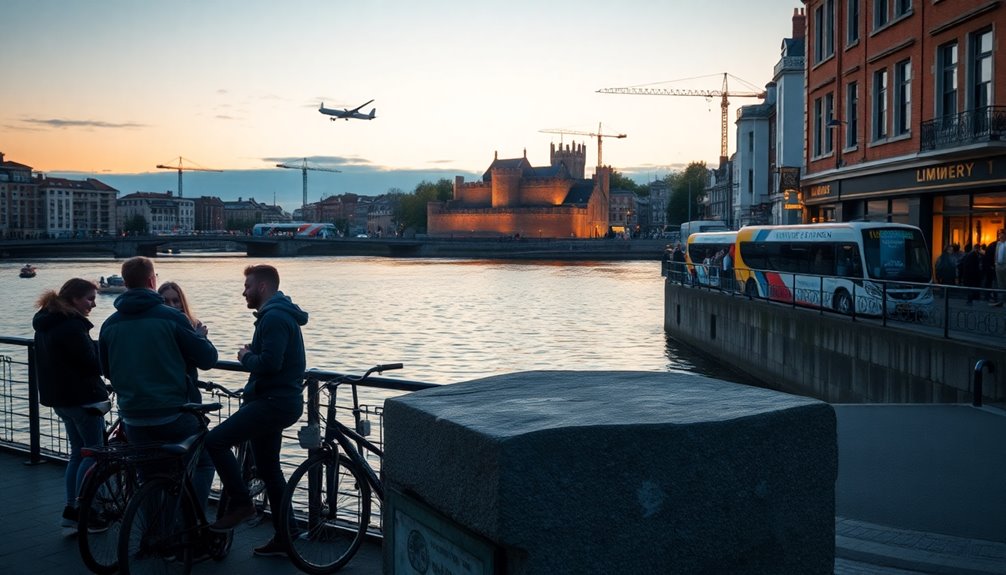
After soaking up Galway’s creative buzz, you’ll find Limerick offers a different but equally student-friendly mix: lower living costs, growing job prospects, and a lively nightlife that fits a student budget. You’ll enjoy affordable rent, cheap eats, and efficient transport so you can spend on experiences, not bills. Local startups and internships boost career pathways, while universities connect you to placements. Nightlife mixes pubs, gigs, and student nights without breaking the bank. Limerick culture is inclusive and gritty, encouraging exploration and independence. Expect active student engagement through societies, festivals, and volunteer projects that expand your social and professional network.
Because Waterford is smaller than Ireland’s big university cities, you’ll get a quieter, more focused study environment without sacrificing student life amenities. You’ll benefit from compact campuses, shorter commutes, and supportive faculty that make Waterford education personal and practical. Affordable housing and manageable nightlife let you balance freedom with responsibility, while cafes, galleries, and festivals reflect lively Waterford culture you can explore between lectures. Networking feels human-sized — classmates become collaborators and local businesses welcome student projects. If you want independence without getting lost in crowds, Waterford gives you space to study deeply, live fully, and shape your own academic journey.
If you’re after quiet study environments, Sligo and similar regional towns give you peaceful libraries and low-traffic cafes where you can focus. You’ll also find more affordable student housing than in major cities, so your rent won’t eat into study resources. When you need a break, easy access to beaches, hills and relaxed cafés makes outdoor leisure and casual study spots a real bonus.
When you need silence to focus, Sligo and nearby regional towns offer a network of quiet study hubs that fit different study styles and budgets. You’ll find study cafes with calm corners for concentrated work and reliable wifi, plus public and college library resources offering private carrels, reserve materials, and extended hours during exam season. Community centres and smaller campus rooms provide distraction-free spaces when you crave solitude. Choose hubs that match your routine — morning light, late-night access, or peer-free zones. These options help you control your environment so you can study on your terms, efficiently and confidently.
Quiet study hubs are great, but you’ll need housing that supports your routine without draining your budget. In Sligo and nearby towns, hunt for budget accommodations near campuses or transport links so you keep options open. Choose shared housing if you want lower rent and flexible social life, but set boundaries to protect study time. Look for landlords who allow short leases and clear bills, and prioritize quiet floors, reliable Wi‑Fi, and study nooks. Use local student groups and uni noticeboards to find vetted rooms. Prioritize freedom: a simple, affordable base lets you focus, explore, and manage your time.
Although you’ll spend hours in libraries and flats, getting outside and finding the right cafés will keep your study routine fresh and productive. In Sligo and nearby towns, you can mix outdoor activities—coastal walks, hill climbs, park study sessions—with focused café culture stops that welcome laptops and long cups of coffee. You’ll choose spots with reliable Wi‑Fi, calm playlists, and owners who get student hours. These regional options let you control tempo: intense campus days balanced by breezy seaside revision or a quiet corner table. Embrace that freedom; varied settings boost focus, creativity, and wellbeing.
Because your budget, daily routine, and housing preferences will shape your student experience, it’s essential to compare living costs, transport options, and accommodation types across Irish cities before you pick where to study. You’ll want a clear cost comparison: rent, bills, groceries, and social life differ between Dublin, Galway, Cork, and Limerick. Check student discounts, weekly travel passes, and bike or scooter availability. Decide if you need city-center convenience or cheaper shared houses, and factor commuting time into wellbeing and study. Prioritize options that give you independence, safe neighborhoods, and flexibility to enjoy student life on your terms.
When choosing a city for your English course, start by checking course availability and the reputation of schools to make sure you’ll get the teaching style and level you need. Compare cost of living so your budget stretches from tuition to rent and food. Finally, factor in transport and accessibility—easy commuting and links to airports or train stations will save you time and money.
If you’re choosing a city for an English course, focus first on what programs are actually available and how quality is measured — course types (intensive, semester, exam prep), class sizes, teacher qualifications, and accreditation all matter. You’ll want course diversity so you can shift between skills, exam prep, or shorter intensives depending on your plans. Check program reputation through alumni reviews, industry recognition, and formal accreditation. Visit schools if you can, ask about teacher certifications and assessment methods, and compare average class size. Pick a city whose offerings match your freedom to learn, explore, and set your own pace.
Budgeting is one of the smartest moves you can make before picking a city for your English course: compare rent, food, transport, utilities, and leisure costs against your available funds and expected stipend or part‑time earnings. You’ll want clear student budgeting sheets that list fixed and variable living expenses so you can spot affordable options fast. Prioritize neighbourhoods with cheaper rent or shared housing, cook more to cut food costs, and track bills to avoid surprises. Choose a city that matches your financial freedom goals — one where your money covers study, basic comfort, and a bit of local fun.
Although you might prioritize rent and nightlife, transport and accessibility will shape your daily student experience more than you think; pick a city where getting to campus, work, and social spots is reliable, affordable, and fast. You’ll want strong public transport links, frequent buses or trains, and clear student fares so you can move freely without breaking your budget. Check bike accessibility — safe lanes, bike-share schemes, and secure parking make commuting quick and flexible. Consider travel times to internships and weekend escapes. Choose a city that lets you control your schedule, saves time, and expands your independent options.
Yes — you can work part time while studying English in Ireland, but you’ll need to follow specific work regulations tied to your visa. You’re usually allowed part time opportunities during term (up to 20 hours/week) and full time during holidays, depending on course level and length. Check your stamp endorsement and stay within rules to protect your studies and future freedom to live and work in Ireland.
Yes — you’ll usually get access to healthcare services, though it depends on your visa and length of stay. Imagine Sophie, a three‑month English student who used student insurance and visited a GP within days. You’ll explore public options like GP visits and A&E for emergencies, and private clinics or telehealth for convenience. Always buy extensive student insurance, know local registration rules, and carry documentation so you can travel and study with confidence.
You’ll usually need a short-stay/visitor visa or the appropriate student permission if your course is under 25 weeks; check course eligibility before applying. When you start the visa application, confirm your institution’s endorsement, course dates, and any entry requirements. You’ll want clear proof of funds, accommodation, and insurance to show freedom to travel and study. Apply early, meet all documentation standards, and follow any consulate guidance closely.
Very easy — weekend travel between Irish cities is well served by buses, trains and budget flights, so you’ve got flexible city connections. You’ll find frequent services, cheap advance fares and overnight options that suit student budgets and spontaneous plans. Trains are comfy for longer hops, buses reach smaller towns, and ferries connect islands. With a bit of planning you’ll enjoy freedom, affordability and reliable schedules for short breaks.
Yes — homestays are generally safe and many schools perform thorough school vetting. You’ll find host families screened for background checks, references, and home visits to guarantee homestay safety and suitable living conditions. Schools often coordinate placements, monitor feedback, and offer support if issues arise, so you’ve got protections while keeping independence. Always ask your school about their vetting process and emergency contacts before you commit.
You’ve looked at cities, costs, culture and campus vibes—now choose the spot that fits your goals and budget. Dublin’s energy, Cork’s cozy campuses, Galway’s artsy buzz, Waterford’s calm focus, or Sligo’s peaceful study rhythm each offer real advantages for learning English. Trust your priorities, visit if you can, and be bold: pick a city that’ll change your life. With the right choice, your English will skyrocket faster than you imagined.