How to Choose the Best Historical Landmarks Near Dublin for Students
Study English In Ireland
March 23, 2026

Pick sites that match your curriculum, are easy to reach, and offer active learning. Choose places with clear costs, group discounts and good facilities so logistics won’t slow you down. Prioritise guided tours, hands-on exhibits or living history for engagement, plus strong interpretive materials for follow-up work. Check accessibility, safety and travel time before booking. If you follow these steps you’ll create meaningful, affordable visits and can learn how to plan them in more detail.
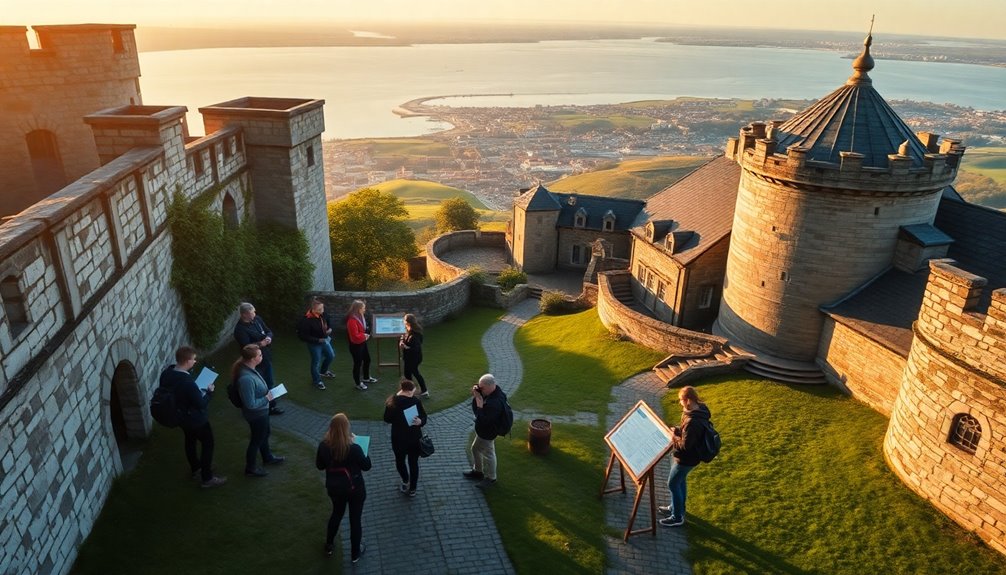
If you’re planning a short trip from Dublin, a handful of nearby historical sites will give you the best mix of Ireland’s past and easy access — think medieval castles, monastic ruins, and grand Georgian houses that are all within an hour or two’s travel. You’ll find places where student engagement is natural: guided tours at Kilmainham Gaol, interactive exhibits at the National Museum, and living-history at Newbridge House. Choose landmarks that balance landmark significance with hands-on learning so students feel free to explore and question. Opt for sites offering flexible visit lengths, clear interpretation, and safe outdoor spaces. That way you’ll keep energy high, learning relevant, and the day adaptable to your group’s pace.
When choosing heritage sites for students, focus on accessibility, relevance, and opportunities for active learning so your visit is safe, engaging, and educational; consider transport links and on-site facilities, clear interpretive materials, hands-on or multimedia experiences, and adaptable timings that suit different attention spans and curricula. You’ll want sites with clear heritage significance that tie to your syllabus and spark student engagement. Look for flexible staff who welcome questions, spaces that allow group work, and resources that let learners explore freely. Assess safety, cost transparency, and options for follow-up projects. Below is a quick comparison to help you decide.
| Feature | Why it matters | What to check |
|---|---|---|
| Accessibility | Equal access | Transport, ramps |
| Learning formats | Boost engagement | Tours, workshops |
| Relevance | Curriculum fit | Themes, timelines |
| Flexibility | Freedom to explore | Timings, staff |
You’ve already weighed accessibility, learning formats and relevance; now compare accessibility, cost and educational value directly so you can pick sites that balance practical needs with learning outcomes. When you plan, look for clear accessibility options like step-free routes, audio guides, and nearby transport so every student can move freely and focus on learning. Balance those features against cost considerations — entry fees, group discounts, and travel expenses — to keep the trip affordable without sacrificing depth. Then judge educational value: hands-on exhibits, aligned curricula, and opportunities for inquiry make a site worth the spend. Prioritize places that give independence and meaningful engagement within your budget, so students leave curious, empowered, and ready to explore further.
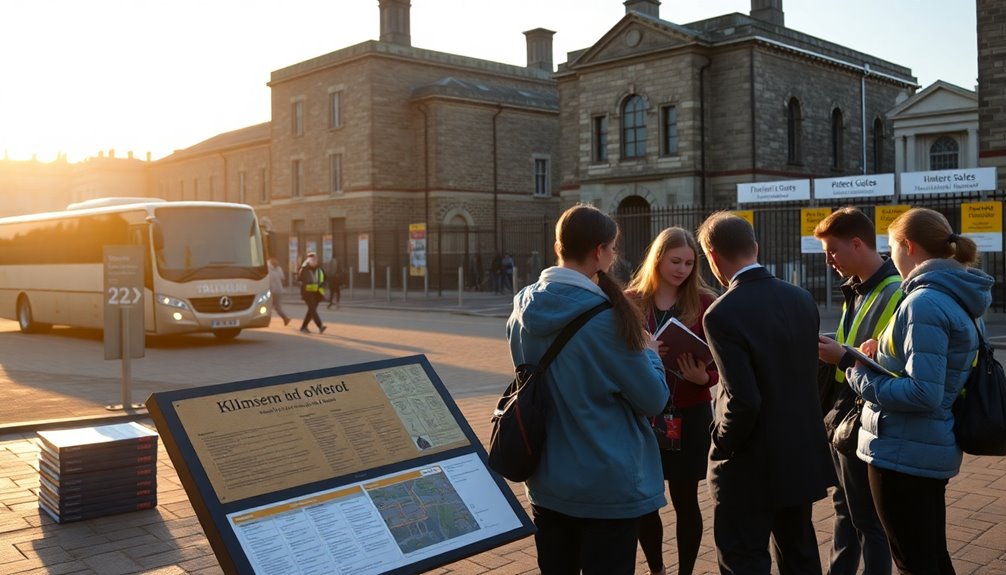
Because smooth logistics make the learning stick, plan visits with clear roles, realistic timelines, and backup options so neither students nor staff are left scrambling. You’ll want simple safety measures briefings, emergency contacts, and a clear pick-up plan. Let students help with rota duties to strengthen group dynamics and ownership. Choose flexible transport and book guided slots that allow free exploration moments. Communicate expectations—behaviour, photo rules, and meeting points—so freedom is preserved within safe bounds. Pack a compact checklist and share it digitally.
| Role | Task | Backup |
|---|---|---|
| Leader | Route & permissions | Deputy leader |
| Chaperone | Headcount & conduct | Extra chaperone |
| Student rep | Questions & timekeeping | Peer substitute |
Logistics set the stage, but what you actually visit should tie directly to your curriculum and students’ interests. You can pick a medieval castle or a Georgian townhouse depending on whether you’re teaching social history or design — both offer different architectural styles and hands-on learning. For literature or language classes, choose sites tied to writers or storytelling traditions; for art and design, focus on decorative motifs and construction methods. Science and geography students benefit from industrial heritage sites showing technological change. Always highlight cultural significance so students connect past to present values and identities. Let them choose options within your framework to encourage ownership, then match learning objectives to each site’s strengths for memorable, independent exploration.
Yes — you’ll often find student pricing for entrances and transport; check landmark sites and public transit passes. You’ll want flexible transportation options like buses, trains, or student ride discounts so you can roam freely and affordably.
Yes — 72% of student groups prefer onsite meals, so you can arrange local eateries or bring food to picnic areas; you’ll have flexible options, freedom to explore, mix budgets, cateraries, and schedule meals your way.
Mostly no — many sites ban backpacks or enforce strict bag restrictions, though rules vary by landmark. You’ll want to check each venue’s backpack policies, pack light, or use lockers so you’re free to move and explore.
About 60% of major Dublin-area sites offer extended programs, and you’ll find educational tours that include overnight accommodations at a few estates and youth hostels; you’ll want flexible dates and a spirit for independent, hands-on learning.
Yes — most popular Dublin-area sites have mobile coverage and internet access, but rural ruins may be patchy; you’ll want to check specific landmark pages, consider portable hotspots, and plan offline resources for full freedom.
By visiting these sites, you’ll connect classroom learning with real places, making history stick — and remember, “never judge a book by its cover”: look beneath tourist facades for deeper stories. Choose landmarks that match your schedule, budget, and curriculum, and prioritize accessibility and hands-on experiences. Plan ahead for group logistics, mix guided tours with free exploration, and pick spots that spark curiosity so your studies stay memorable and meaningful.