How to Choose the Best Ireland Coastal Attractions
Study English In Ireland
December 24, 2025

Decide what you want to feel and learn: choose wind‑scarred cliffs for geology and solitude, lively harbors for culture and festivals, or sheltered bays for accessible fieldwork and beachcombing. Plan around tides, weather and transport so trips stay smooth and safe. Pick sites that match your group’s pace, budget and mobility, and scout meeting points and emergency routes. Start with a short list of regions that match your goals, and you’ll find detailed options and practical tips next.
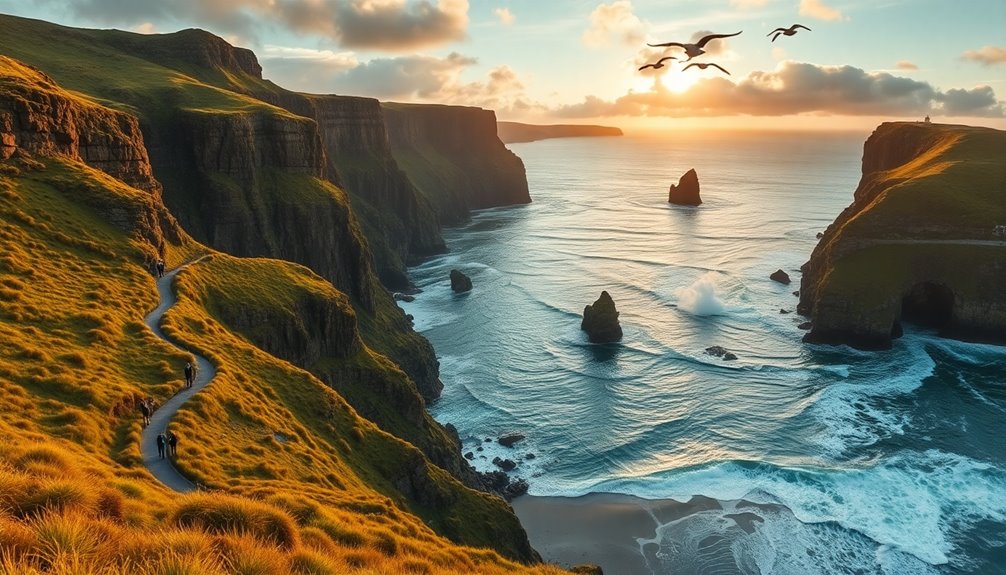
When you step onto Ireland’s coast, you’ll feel how each region tells its own story—wind-swept cliffs in the west, quiet pebble bays in the south, and dramatic headlands in the north—making them perfect outdoor classrooms for students. You’ll choose places that match student interests: rugged Connemara for geology and solitude; the Dingle Peninsula for coastal cultures and stories; the Ring of Kerry for sweeping views and biodiversity; and the Causeway Coast for striking formations. Each spot invites hands-on coastal experiences, where you can roam freely, collect observations, spark curiosity, and let learning unfold beyond the classroom.
Although the coast looks inviting, you’ll want to plan around tides, weather, and access so every student stays safe and included; check tide tables, local forecasts, and site-specific rules before you go, map firm paths and clear meeting points, and make sure supervisors know emergency procedures and nearest medical facilities. You’ll feel the wild air differently when you’ve briefed everyone: share concise safety tips, mark escape routes, and assign buddies. Scout arrival points for wheelchair access and sensory needs, collect accessibility resources, and keep communication simple. That careful preparation frees you to let curiosity lead, responsibly.
If you’re watching your budget, the Irish coast still delivers striking, hands-on experiences that won’t cost much: tidepooling at low tide, coastal hikes beneath cliffs, beachcombing for fossils and sea glass, and self-guided town trails where local history is posted on signs. You’ll wander wild headlands, feel wind in your face, and join free walking groups that set off at dawn. Picnics taste better with sea views; low-cost harbor tours and pop-up local festivals offer music and crafts without steep fees. You’ll choose your own pace, explore hidden coves, and savor seaside freedom on a shoestring.
Because coastal roads curve and weather can change fast, planning how you’ll get to and move along Ireland’s shoreline makes the difference between a rushed day and a slow, unforgettable one. You’ll taste freedom hopping between windswept coves: choose car rentals for hidden bays and flexible detours, feeling the salt air as you steer. Or surrender to public transport — buses and trains stitch main towns together, leaving you to wander without parking worries. Mix both: drive where the map tempts you, then park and walk, or catch a coastal service back. Travel light, follow instincts, and let the coast set your pace.
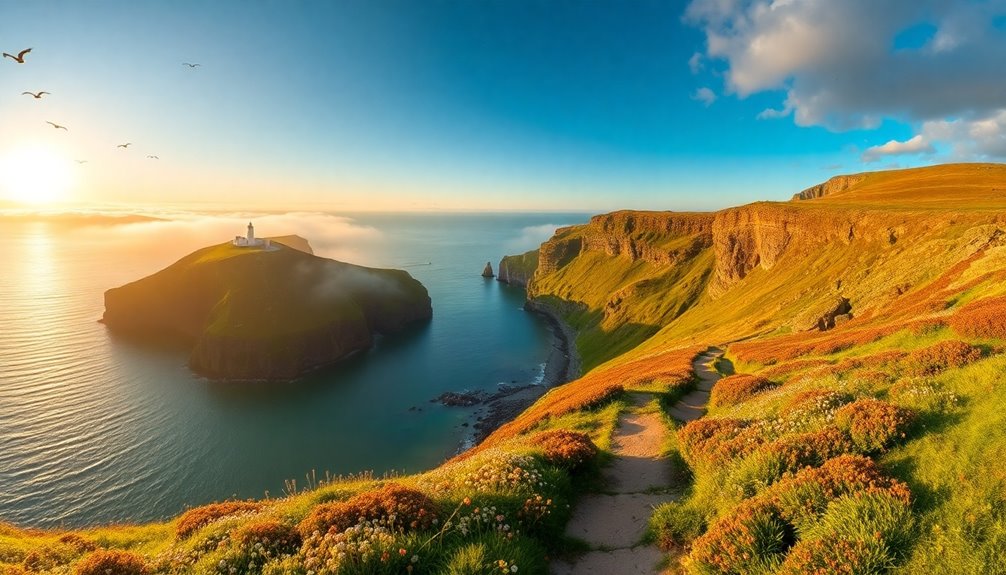
When you plan your trip around tides and weather, you’ll find Ireland’s coast changes mood with the seasons—spring brings flowering headlands and quieter paths, summer gives long golden evenings and busier seaside towns, autumn turns cliffs into a riot of wind-lashed color with dramatic storms rolling in, and winter strips the landscape to its raw, elemental bones, perfect for solitude and dramatic skies. Choose spring for mild, best weather and blooming freedom; pick summer when you crave lively beaches and seasonal festivals; embrace autumn for wind, light, and fewer crowds; winter rewards you with stark beauty and solitary horizons.
One of the best parts of coastal travel in Ireland is choosing a place to stay that feels like part of the landscape—whether that’s a windswept cottage perched above the Cliffs of Moher, a snug B&B in a fisherman’s village, or a modern apartment with floor-to-ceiling windows looking out over the Atlantic. You’ll pick accommodation that frees you: beachfront hotels for sunrise swims and raw sea air, cozy local guesthouses where hosts hand you maps and secrets. Sleep to waves, wake ready to roam cliff paths, harbor streets, and empty sand—your base should invite wandering, not confine it.
Though the sea often steals the show, coastal Ireland is also a classroom you can wander into: you’ll find marine research centers, living-history museums, and community workshops where scholars and locals share stories about tides, trade, and folklore. You’ll join hands-on field trips, listen to oral histories in salt-stiff air, and watch researchers catalog sea life—each moment expanding what you thought you knew. Cultural exchanges happen in kitchen tables and docksides, where language, music, and culinary traditions flow freely. If you crave learning that’s active and untamed, these shoreside hubs give you tools, maps, and permission to explore deeper.
How do you decide which coastal spot deserves your time? You balance mood and momentum: do you crave wild cliffs or gentle coves? Prioritize access to solitude and those hidden gems off the beaten path that let you breathe freely. Weigh scenery against stories—historic ruins, lively harbor banter, or silent dunes. Consider practical joys: ferry ease, trails you can roam, and local cuisine that tastes like place. Let weather and season guide you, but choose spaces that invite spontaneous wandering. Pick sites that match your appetite for discovery, where freedom and authenticity meet the sea.
Yes — you’ll find guided wildlife tours and boat excursions near many coastal sites, where you can glide past cliffs, spot seals and puffins, and feel wind on your face. You’ll join small, knowledgeable crews who read currents and birdcalls, keeping trips intimate and respectful. These excursions let you roam freely, witness raw coastal life, and return ashore changed, with photos, sea-salty hair, and memories of close, wild encounters.
Yes — you can arrange coastal fieldwork permits and research permissions; start by contacting landowners, local councils, and national park offices to sort fieldwork logistics. You’ll feel the salt air as you negotiate access, gather data and follow safety and conservation rules. Pack flexible plans, permits, risk assessments and liaison letters from your institution. Embrace spontaneous discoveries while respecting habitats, and keep records so future students can roam freely with permission.
Don’t worry — you won’t get bored: you’ll taste oysters, smoked salmon and shellfish chowder that sing of sea spray. You’ll savor seafood dishes like Dublin Bay prawns, crab claws and mussels, and try traditional recipes such as soda bread with smoked mackerel and buttery colcannon alongside hake. You’ll roam markets, share fresh catches, and feel free to follow your appetite toward rugged cliffs and cosy seaside pubs.
Yes — you’ll often find luggage services and gear rentals in coastal towns, tucked beside harbors and cafes. Imagine dropping off your pack, feeling lighter as you wander cliffs; you can rent wetsuits, bikes, kayaks or dry bags to chase wild beaches. These practical touches let you roam freely, unburdened, sampling tides and trails with rented kit or stored baggage waiting when you’re ready to move on.
Yes — many coastal sites welcome you into volunteer programs tied to conservation efforts. You’ll roll up your sleeves on windswept dunes, monitoring seabird nests, clearing invasive plants, or restoring pebble habitats. It’s hands-on, gritty, and freeing: you’ll feel the salt air, learn local rhythms, and leave a visible legacy. Check local trusts, national parks, and marine charities for short stints or longer stays that match your pace.
You’ve seen the top coastal spots, safety tips, budget hacks and transport choices—now picture yourself standing on a windswept cliff, salt on your lips and a map of possibilities in your pocket. Which shoreline will teach you the most? Let the rugged beauty, local lore and student-friendly activities guide you: choose a base that’s safe, affordable and rich in learning. Soon you’ll swap theory for tidal history and unforgettable sunsets.