How to Improve English in an Irish Homestay
Study English In Ireland
February 28, 2026

Set clear, specific goals with your host (conversation, vocabulary, pronunciation) and ask for kind, regular corrections. Make daily routines — morning greetings, mealtime discussions, and evening reflections — your practice times. Listen to local radio or podcasts and join community events or volunteer to meet native speakers. Turn chores into speaking drills and keep a pocket phrasebook for quick phrases. Do weekly mini-assessments to track progress, and if you keep going you’ll pick up practical tips and next steps.
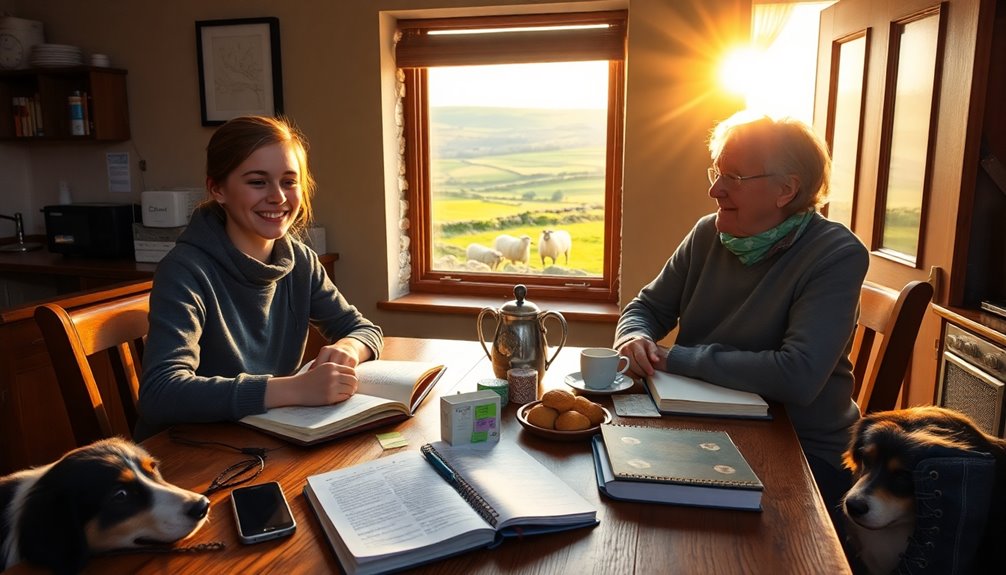
Before you arrive, decide what you want to achieve during your homestay—whether it’s improving everyday conversation, expanding vocabulary for work or study, or gaining confidence in pronunciation—so you and your host can focus on the same targets. Set clear, attainable language milestones like ordering confidently, holding a 10-minute chat, or mastering 50 new words. Share your communication expectations with your host: how often you want correction, whether you prefer gentle prompts or direct feedback, and which topics you’ll practice. You’ll feel freer to explore when goals are concrete and agreed. Revisit milestones weekly and adjust them as you gain fluency. That way your homestay becomes a flexible, supportive space where progress is visible and your independence grows.
Start your day with simple morning conversation starters to practice greetings and small talk. Use mealtimes to focus on longer speaking practice, asking questions about recipes, plans, or local news. Finish with a quick evening reflection routine where you recap new words and what you learned.
How do you make mornings feel natural for practicing English with your host family? Start with light, open questions about travel experiences and travel aspirations to spark stories without pressure. Ask about weekend plans or local traditions to learn place-based words, then share your favorite hobbies and music preferences to find common ground. Invite family stories or childhood memories—those prompts lead to relaxed, honest chat. Compliment their favorite foods and ask how dishes are made, but keep it brief so conversation stays casual. Notice cultural differences with curiosity, not judgment, and encourage them to ask you about your life. Rotate these starters daily so your routine stays fresh and freeing, not forced.
Want to turn meals into reliable English practice without making them feel like lessons? Use mealtimes to chat casually about meal preferences and cultural traditions, swapping food stories while you eat. Ask about favorite recipes and cooking techniques, or suggest recipe exchanges to keep conversations playful and useful. Mention local ingredients and ask how they’re used — that’s natural vocabulary. Respect dining etiquette but keep your tone relaxed; freedom to ask questions helps you learn faster. Try brief prompts each meal and let the family lead responses.
| Topic | Prompt |
|---|---|
| Meal preferences | “What’s your favourite way to eat this?” |
| Cooking techniques | “Can you show that step?” |
| Food stories | “Where did this recipe come from?” |
If you finish the day with a short, friendly chat about what you did and learned, you’ll turn evenings into a calm chance to practice English every day. You can create an evening reflection routine that feels relaxed and free — doing a bit of evening journaling, then sharing highlights with your hosts in reflective conversations. Keep it simple and consistent so it’ll stick.
This routine gives you daily speaking practice without pressure and keeps your learning connected to real life.
Meal times are the best chance you’ll get for regular, natural speaking practice — and you can make them focused without sounding formal. Use relaxed prompts about meal preferences and favorite dishes to get everyone talking. Suggest short activities like recipe sharing or describing local ingredients; they’ll spark questions and new cooking vocabulary. Ask about food history and cultural traditions tied to a dish, but keep it casual so it feels like friendly curiosity, not an interview. Practice polite phrases and dining etiquette while you eat, so corrections fit the moment. Rotate who leads conversation topics so you stay free to explore different vocabulary and perspectives. That way meals become playful, practical English workshops that respect comfort and independence.

Tune into Irish radio stations to get used to local accents, expressions, and rhythm. Pick podcasts focused on topics you enjoy so the vocabulary stays relevant and interesting. Listen regularly and note new words or phrases to ask your hosts about.
Listening to Irish radio and podcasts is one of the fastest ways to sharpen your ear for accents, rhythm, and everyday vocabulary you won’t find in textbooks. Tune into stations that mix Irish music with local news and cultural insights so you get a real taste of language immersion. You’ll pick up regional dialects, language nuances, traditional stories, and notices about community events naturally.
You’ll feel freer practicing anytime, anywhere, and soon you’ll understand more than phrases — you’ll grasp how people actually speak.
Why not focus your practice on podcasts organized by topic? You can pick episodes that match your interests—travel, food, Irish culture—and stay motivated. Topic-based podcasts group vocabulary and phrases into clear language themes, so you’ll hear words used repeatedly and learn in context. Choose podcast recommendations that suit your level: beginner shows with slow speech, intermediate interviews, advanced storytelling. Listen while walking, cooking, or relaxing; you’re free to set the pace. Pause to repeat sentences, note new phrases, and replay tricky parts. Combine episodes with conversations at your homestay: discuss an episode’s idea, ask hosts’ opinions, or practice summaries. This focused, flexible approach speeds understanding and builds confidence.
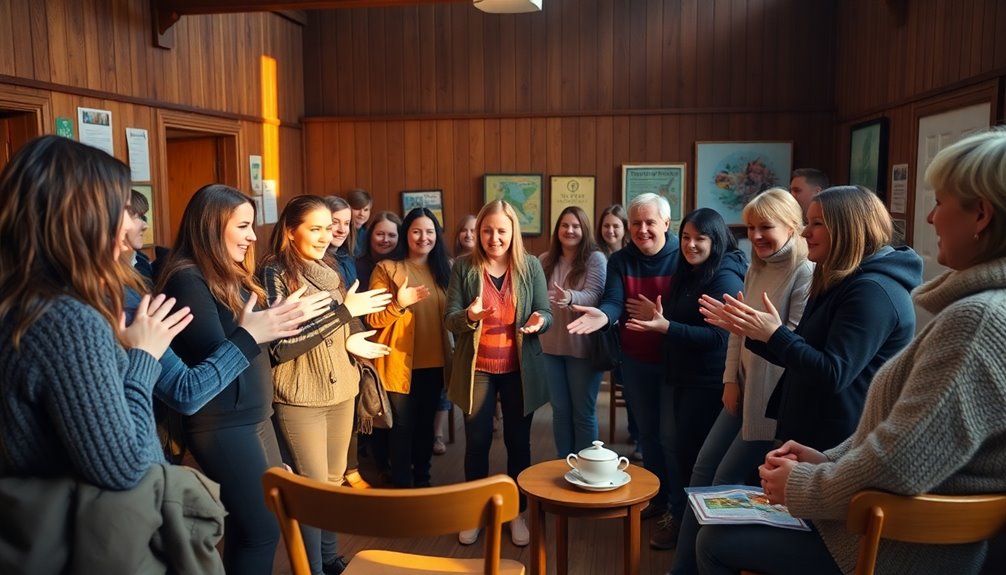
If you want to boost your English quickly, join local clubs, classes, or volunteer groups where you’ll speak with native speakers regularly. You’ll gain confidence and freedom by choosing activities that fit your interests — community sports, art classes, traditional music, cooking classes, and heritage tours all create natural chances to chat. Go to local festivals and cultural workshops to hear accents and pick up idioms.
Be proactive: ask questions, offer help, and follow up with new friends. Small steps make big gains.
After joining local activities, you can bring language practice home by trading help with your host family: offer to teach them phrases or grammar in your language while they help you with English pronunciation, slang, or local expressions. You’ll set up a relaxed language exchange that feels like cultural immersion, with short conversation practice after dinner or during walks. Use informal dialogue and storytelling sessions to boost vocabulary building and slang learning, and ask for idiomatic expressions you won’t find in books. Family bonding grows naturally when you swap tips and laugh over mispronunciations; ask for pronunciation tips, correct each other gently, and celebrate progress. This approach gives you freedom to explore Irish speech in a fun, lived-in way.
Keep a small pocket phrasebook with essential daily phrases so you can quickly handle routines like greetings, asking for directions, or ordering food. Include polite small talk lines—compliments, brief questions about the day, and thanks—to help you connect naturally with your hosts. Review and add new phrases each week so it stays useful and relevant.
Start with a small, handy set of phrases you can use every day—greeting people, asking for help, ordering food, or checking the time—and you’ll notice your confidence rising quickly. Learn everyday expressions and common greetings that let you move freely and join in. Keep a pocket list for quick practice.
Carry this mini phrasebook, repeat aloud, and use phrases daily. You’ll gain independence and enjoy exploring without hesitation.
When would you use a quick, friendly line to connect with your host or neighbours? You’ll want short, confident phrases for weather updates, local events, or casual mornings. Keep it light, open, and curious — you’re free to explore voices and responses.
| Situation | Phrase |
|---|---|
| Greeting | “Morning! How’s it going?” |
| Weather chat | “Lovely day — did you see the forecast?” |
Use follow-ups: “Any local events this weekend?” or “Where’s a good café?” Listen, mirror tone, and don’t over-explain. If someone replies warmly, reply with thanks and a simple question to keep momentum. These pocket phrases free you to practise naturally, build rapport, and join conversations without feeling stuck.
Although chores might feel mundane, they’re perfect opportunities to practise everyday English in a natural, low-pressure way. You can learn laundry vocabulary, cooking phrases and cleaning instructions while doing tasks, keeping your learning practical and freeing. Use household routines to build confidence: ask about grocery shopping lists, repeat gardening terms while planting, and learn home maintenance words during small repairs. Include pet care language when feeding or walking animals to expand conversational ability.
Turn chores into low‑pressure English practice — learn cooking, laundry, gardening and pet vocabulary while you work.
This approach keeps learning active, social and aligned with your desire for independence.
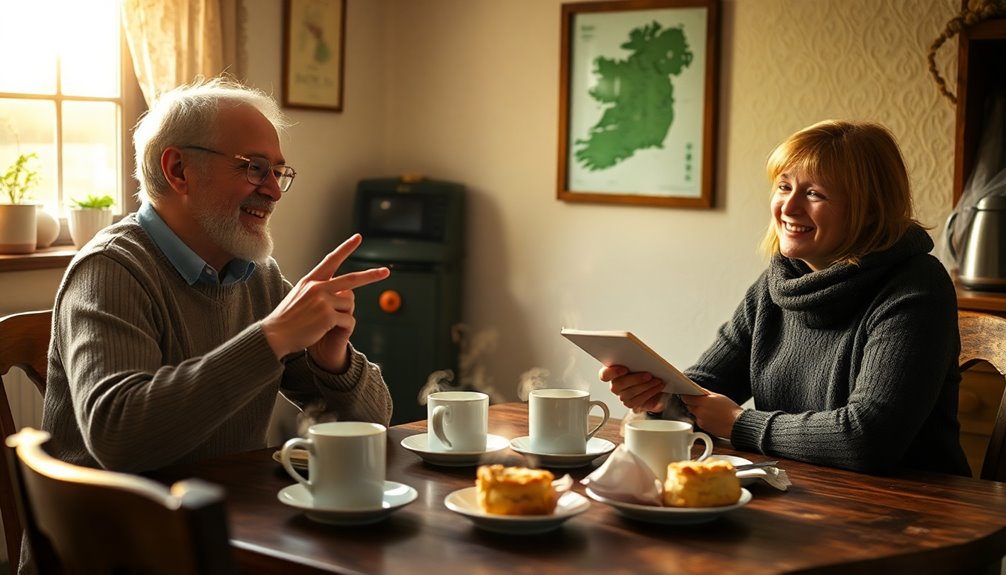
Because feedback helps you improve faster, ask your hosts to correct mistakes kindly and regularly so you can learn from real conversations. You’ll feel freer to speak when correction’s routine and respectful. Explain you want short feedback sessions, not interruptions, and suggest gentle corrective strategies like recasting or brief notes. Agree on signals for pause-and-correct so flow stays natural.
| What to ask | Why it helps |
|---|---|
| Signal for pause | Keeps conversation natural |
| Short feedback sessions | Focused, less intimidating |
| Recasting examples | Shows correct phrasing |
Be clear about your goals, request consistency, and thank hosts for patience. This creates an open, low-pressure space where you can experiment, make mistakes, and gain confidence.
If you want to see real improvement, set aside a short weekly mini-assessment that checks speaking, listening, and vocabulary growth so you can spot patterns and adjust practice. You’ll keep learning flexible and focused, and progress tracking makes your gains visible without rigid schedules. Each week, pick relaxed tasks that fit homestay life: a short recorded chat with your host, a listening clip from Irish radio, and a quick vocabulary quiz from things you noticed.
Set a short weekly mini-check—speak, listen, and note vocabulary—to spot patterns and steer your progress.
Use results to tweak goals and stay free to explore.
You can, but you should ask first and respect friend etiquette and host family boundaries; they’ll appreciate notice, limits on numbers and noise, and clear plans — that way you keep freedom to socialise while maintaining trust and harmony.
You should discuss internet safety and agree screen balance limits with your hosts, showing responsibility and negotiating flexible times. Respect household rules, use privacy settings, and suggest compromises that protect your freedom while keeping everyone comfortable.
Tell your hosts your meal preferences and any allergies clearly on arrival, and ask about ingredients and cooking methods; you’ll want freedom to eat safely, so insist on allergy communication and suggest alternatives or self-cater when needed.
Yes — you can study for exams during your homestay. Discuss exam preparation strategies with your host, set quiet study environment tips, negotiate flexible hours, use communal spaces selectively, and keep independence while respecting house routines.
You book local transport online or at stops — and here’s the trick that makes it easier: check bus schedules first, then use contactless cards, mobile apps or cash for fare payment so you’ll stay free to roam.
By setting clear goals and weaving English into daily life, you’ll make steady progress during your Irish homestay. For example, imagine Maria — a Spanish student — who practised questions at breakfast, joined a local choir, and recorded weekly voice notes; in six weeks her confidence and listening improved noticeably. Keep routines simple, ask for gentle corrections, and review progress each week. Small, consistent steps will turn your homestay into a powerful language classroom.