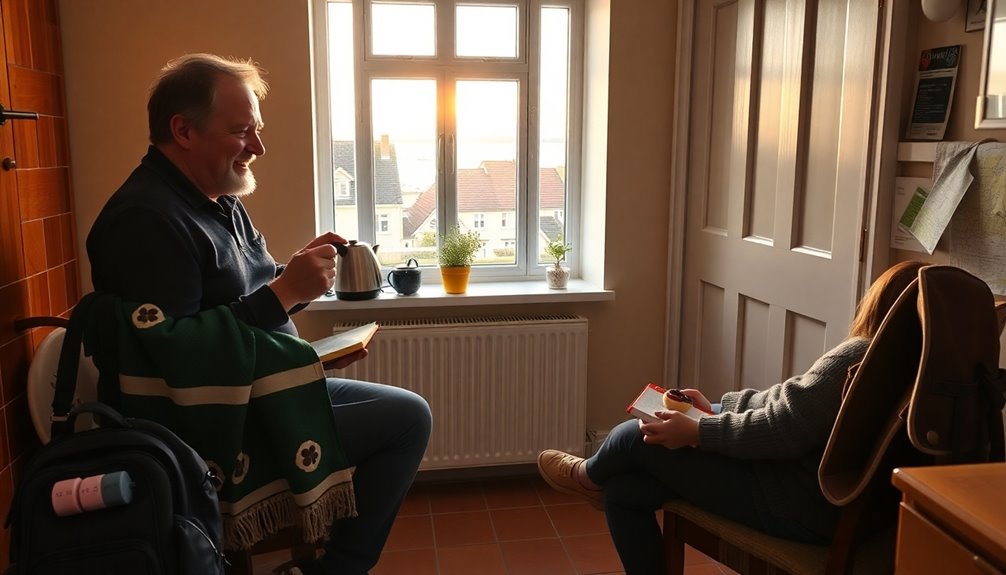
Student Tips for Best Homestay Experiences in Galway for English Students
Study English In Ireland
February 16, 2026

Choose a homestay near your school and transport to cut commute time, and be realistic about your budget since cheaper homes can have trade-offs. Contact the host before arrival to set expectations on meals, diet and house rules, and pack essentials like adapters, a waterproof jacket and passport copies. Greet your hosts, join meals to practise English and learn customs, and raise issues early using “I” statements. Keep calm and there’s more practical advice ahead.
When you’re choosing a homestay in Galway, think about where you’ll spend most of your time—school, shops, or transport links—and pick a location that keeps your daily commute short. You’ll want to list your location preferences clearly so you can spend more time exploring and less on trains or buses. Be realistic about budget: cheaper places may mean longer travel or shared facilities, while higher rates often buy privacy and convenience. Consider host personality as a match for your independence — some hosts are chatty and involved, others give space and flexibility. Ask about rules on guests, cooking, and keys, so you can maintain freedom without surprises. Choose a homestay that supports your lifestyle and learning goals.
Before you leave, get your documents in order, set realistic expectations with your host, and pack smart so you can settle in quickly. You’ll want a clear pre arrival checklist that includes essential documents like passport copies, visa paperwork, emergency contacts, and your arrival time. Tell your host about allergies, lifestyle preferences, and any dietary needs so they’re prepared.
Pack for mobility and independence; being ready helps you enjoy freedom and new experiences.
Once you’ve arrived and settled your bags, focus on clear communication, house rules, and routines so you can feel at home quickly. Introduce yourself, ask how your host prefers to be contacted, and notice their communication styles—some people like texts, others brief chats. Ask about quiet hours, guest policies, laundry, and kitchen use; these are core house etiquette points that keep freedom without friction. Suggest a weekly check-in to align schedules and let your host know about classes or trips. Observe household rhythms—mealtimes, cleaning days, and recycling routines—and adapt where you can. Be honest if something’s inconvenient; offering small gestures, like helping tidy up, shows respect while preserving your independence and comfort.

If you want to get the most from your homestay, treat shared meals and local events as chances to practise English and learn Irish customs. Join cultural dinners and chat about stories, music, or recipes — you’ll loosen up, build friendships, and enjoy authentic flavours. Go to local festivals with your hosts when you can; they’ll show you routes, nicknames, and the best stalls. Be curious, offer to help in the kitchen, and suggest a dish from home to swap traditions.
While staying with a host family can be warm and rewarding, you’ll sometimes face issues around privacy, disagreements, or feeling unsafe — and it helps to handle these calmly and directly. Set boundaries early: ask about shared spaces, quiet hours, and guest policies so privacy concerns are clear. If something bothers you, speak up promptly and politely—use “I” statements, describe the issue, and propose a solution. For more serious conflicts, involve your placement coordinator; that’s part of their role in conflict resolution. Trust your instincts about safety: lock doors, share plans with friends, and know emergency numbers. Keep records of incidents and communications. You’re there to learn and live freely, but protect your well-being while respecting household rules.
Although living with a host family offers daily cultural immersion and built‑in support, student accommodations give you more independence and social freedom — so choosing depends on what you value most: language practice and family life, or privacy and peer networking. You’ll weigh homestay benefits like real conversation and home meals against student halls’ privacy and flexible schedules. Think about accommodation costs, travel time, and how much structure you want. If you crave freedom but still want practice, pick a homestay with relaxed rules or a private room in shared housing.
Usually you can’t host overnight guests without asking first; check homestay policies and get your host’s permission. If they agree, follow house rules, respect privacy, and be responsible so everyone enjoys freedom and comfort.
“Better safe than sorry” — no, utilities and internet reliability aren’t always guaranteed; you’ll want clear utility coverage terms in the agreement, since you’ll expect freedom to manage your stay and avoid surprises by insisting on specifics upfront.
Taxes or payments to hosts can affect your financial aid: check financial aid implications and report host payment structures to your aid office, since stipend reductions or taxable benefits might lower aid eligibility or require documentation to avoid surprises.
Yes — you can request a roommate or switch homestays mid-term, but check homestay policies first; communicate your roommate preferences clearly, be flexible, and advocate for the freedom to change if the placement isn’t working out.
Yes — pets are allowed in some homes, and you can often interact with them. I once bonded with a host’s Labrador over tea; pet policies vary, so check rules on animal interactions before booking for full freedom.
By choosing wisely and staying open-minded, you’ll turn a homestay in Galway into more than just a place to sleep — it’ll be your classroom, community, and launchpad for local adventures. Respect house rules, communicate kindly, and join meals and events like a curious guest at a friendly festival; you’ll learn faster, make friends, and feel safer. Even if bumps happen, treat them as stepping stones, not roadblocks, and enjoy the journey.