How to Prepare for Your English Language Course in Ireland
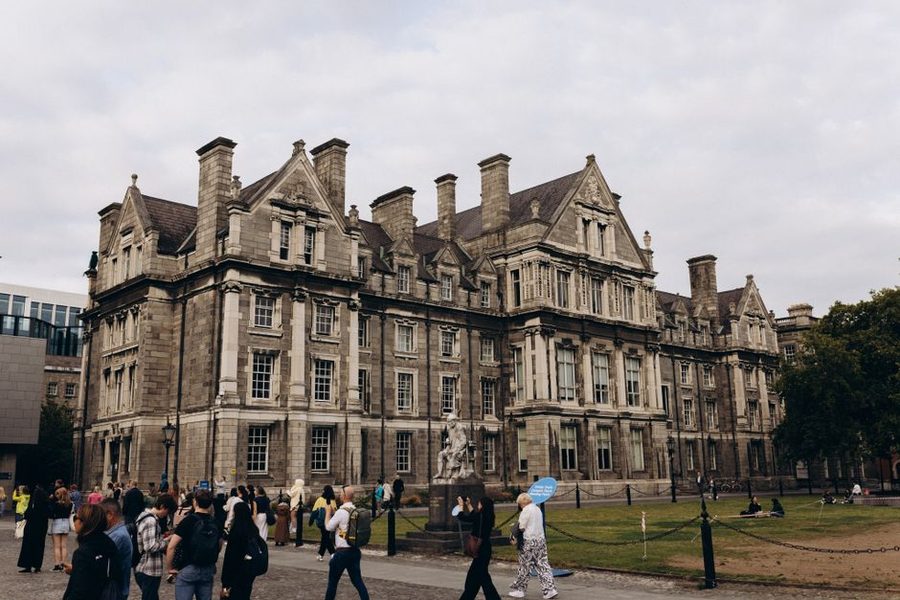
So you have booked your English course in Ireland. That is exciting. Ireland is a wonderful place to learn English, with friendly people, a rich culture, and schools that welcome students from all over the world. But before you pack your bags, there are some simple things you can do to make sure you get the most from your time here.
Preparing before you arrive is not about being perfect. It is about feeling more confident when you walk through the classroom door on day one.
Revise the Basics Before You Go
You do not need to study for months before your course starts. But spending a little time reviewing basic grammar will help you follow lessons more easily when you arrive.
Focus on areas like verb tenses (present simple, past simple, and present perfect are used constantly in everyday English), question forms, and basic sentence structure. Even 20 minutes a day in the weeks before you travel can make a real difference to your confidence in class.
A good free resource is the BBC Learning English website. It has grammar explanations, short exercises, and audio examples. It is designed for learners, so the language is clear and easy to follow.
Learn Vocabulary for Everyday Life
Think about the situations you will face when you arrive in Ireland. You will need vocabulary for things like:
- Asking for directions or using public transport
- Ordering food and drinks in a cafe or restaurant
- Shopping in a supermarket or pharmacy
- Talking to your host family or housemates
- Introducing yourself and making friends
Learning vocabulary in these specific contexts is more useful than just memorising random word lists. Try writing short phrases you might actually say, and practise them out loud. Hearing yourself say the words helps them stick in your memory.
Practise Your Listening Before You Arrive
One of the biggest surprises for students arriving in Ireland is that real spoken English sounds very different from the English they practised in textbooks. People speak faster, they use contractions, and they do not always finish every word clearly. This is completely normal, and your ear will adjust. But you can start that process before you even board the plane.
Podcasts and YouTube Channels to Try
Listening to English every day is one of the best habits you can build. Here are some specific suggestions:
- BBC Learning English on YouTube has short, clear videos on grammar, vocabulary, and pronunciation. Episodes are usually 5 to 15 minutes, which is easy to fit into a busy day.
- 6 Minute English (BBC podcast) covers interesting topics in short episodes. It is designed for learners and the presenters speak at a comfortable pace.
- RTE Radio 1 is Ireland's national radio station and you can stream it online for free. Listening to Irish voices before you arrive will help your ear adjust to the accent.
- Easy English on YouTube films real conversations with people on the street. This is especially useful for hearing how people actually talk, not just how textbooks say they talk.
Try to listen a little every day rather than one long session once a week. Short, regular practice is more effective for building listening skills.
Understanding the Irish Accent
Let's be honest. The Irish accent can take a little time to get used to. Irish people tend to have a musical, rhythmic way of speaking, and there are regional differences too. Someone from Cork sounds different from someone from Dublin or Galway.
The good news is that Irish English is generally considered one of the clearer accents for non-native speakers. Irish people are also known for being patient and happy to repeat themselves if you ask them to.
To tune your ear before you travel, look for Irish presenters, podcasts, or YouTube channels. Programmes like The Tommy Tiernan Show or Irish news broadcasts on RTE Player are good options. You do not need to understand every word. Just listening regularly will help your brain start to recognise the rhythm and sounds of the accent.
And remember: it is always okay to say "sorry, could you say that again please?" No one will mind.
Set Realistic Goals for Your Course
Before you arrive, it helps to think about what you actually want to achieve. Do you want to improve your speaking confidence? Prepare for an exam like IELTS or Cambridge? Learn business English for your career? Or simply communicate better in daily life?
Having a clear goal makes it easier to stay motivated. It also helps your teachers support you, because they can focus on what matters most to you. Write your goal down and bring it with you. Some schools will ask you about this during your first day assessment.
Be realistic. A two-week intensive course will improve your confidence and give you useful tools, but it will not take you from beginner to fluent. A longer course of six weeks or more gives you much more time to develop and practise. [LINK: how long should you study English in Ireland]
Useful Apps to Download Now
Your phone can be one of your best learning tools. Here are some apps worth having before you travel:
- Duolingo is free and good for keeping your vocabulary and grammar active with short daily exercises. It is not a complete learning programme, but it is great for staying in the habit of practising English every day.
- Anki is a flashcard app that uses spaced repetition. This means it shows you words at the right moment to help you remember them long term. You can download pre-made English vocabulary decks or create your own.
- Google Translate is useful for quick translations, but try not to rely on it too heavily. Using it constantly in class will slow down your progress.
- Cambridge Dictionary gives clear definitions, example sentences, and audio pronunciation. Much better than a basic translation app when you want to understand how a word is really used.
What to Bring to Class
This sounds like a small thing, but being prepared for class helps you learn better. Pack a dedicated notebook for your course. Many students find that writing things by hand helps them remember new vocabulary and grammar rules better than typing.
Bring a pen (more than one, they run out at the worst moments), and if your school uses course books, make sure you have yours from the first day. A small dictionary can also be handy, though most students now use phone apps instead.
Leave your phone in your bag when you are not using it for a task. This is simple advice, but being present and engaged in class makes a huge difference to how much you learn.
Preparing Your Mindset for Immersion
Immersion can feel overwhelming at first. You will be surrounded by English all day, and your brain will get tired. This is completely normal. It is called language fatigue and every learner experiences it.
The most important thing is to push yourself to use English outside class, not just inside it. Talk to your classmates, chat with the person in the coffee shop, say hello to your host family at breakfast. Every small conversation is practice.
Try to resist the temptation to spend all your free time with people who speak your language. It is comfortable, and friendship is important, but you will improve faster if you mix with people from different countries. The good news is that English language schools in Ireland bring together students from Brazil, Spain, Saudi Arabia, Japan, Italy, and many other countries. English is the one language you all share.
Be patient with yourself. Some days will feel easy and some will feel hard. Both are part of the process.
Ready to Find Your School?
The right school makes a big difference to your experience in Ireland. Whether you are looking for a school in Dublin, Cork, Galway, or another city, there are great options across the country to suit different budgets, schedules, and learning goals.
Browse our directory to compare English language schools across Ireland and find the one that is right for you. [LINK: search English language schools in Ireland]