Latest Trends in Differences Between Student Residences and Homestay in Ireland

You'll find student residences skew toward city-centre convenience, bundled services and social amenities, so you'll get late-night cafes, events and easier campus access. Homestays give quieter, local neighborhoods, cultural exchange and often clearer utility costs, so you'll have steadier routines and helpful hosts. Transport links, noise levels and study spaces usually differ between the options, and contract flexibility varies too. Keep going and you'll uncover practical tips to match a choice to your needs.
Highlights
- Student residences prioritize proximity to campus, nightlife, and late-opening amenities, while homestays emphasize quieter, residential settings and neighborhood routines.
- Recent demand shows students favor private en-suite rooms in residences, but international students increasingly choose homestays for cultural immersion.
- Transport access differs: residences often near multiple bus/train routes, homestays may require longer commutes but offer safer, well-lit walking routes.
- Cost trends: city-centre residences carry higher rents and bundled utilities, whereas homestays can be cheaper but may add separate bills and deposits.
- Community and study environment trade-offs: residences provide social events and fast friendships; homestays offer structured quiet, shared meals, and local support.
Comparing Location Choices: City Centre Residences Vs Homestay Neighborhoods
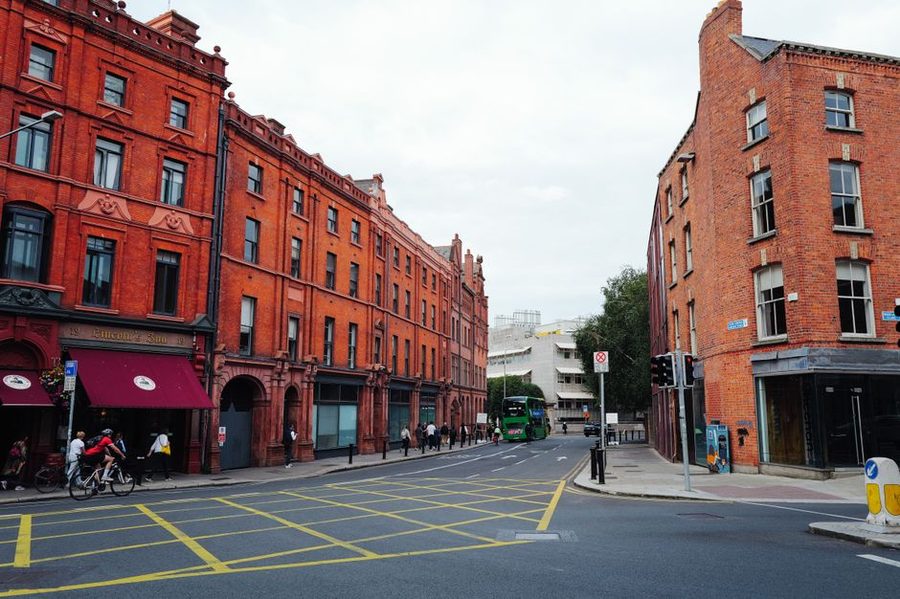
While city-centre student residences put you steps from lectures, nightlife and public transport, homestay neighborhoods tend to offer quieter, more residential settings where you'll get a stronger sense of local life. You'll enjoy the city vibe if you crave spontaneity , cafes, late trains and chance encounters make it easy to shape your days. If you value autonomy but want calm evenings, homestays deliver neighborhood charm, friendly streets and routines that feel more local than transient. Choosing comes down to how you want to live: energetic, walk-everywhere freedom or steadier, community-rooted freedom. Think about your daily rhythms, social appetite and need for independent space before picking the setting that lets you explore on your own terms.
Proximity to Campus: Walkability and Commute Times
How close do you want to be to campus? You'll weigh walkability factors and your commute preferences when choosing between student residences and homestay. If you crave independence, being able to stroll to lectures matters; if you value variety, a slightly longer commute can expand your neighborhood options.
- Short walks to campus for quick mornings and flexible evenings
- Slightly longer commutes that let you explore local cafes and parks
- Safety and lighting along pedestrian routes for late returns
- Predictable travel time vs. spontaneous detours when you want freedom
- Nearby amenities that reduce need for daily travel
Think about how much time you'll trade for space, social life, and autonomy.
Access to Public Transport From Student Halls and Host Families
Think about how close your student hall or host family home is to bus stops, since that often determines how easy it is to get around. You'll also want to check how frequent nearby train links are, especially if you plan to travel between cities. Comparing these options can help you pick the accommodation that fits your daily commute.
Proximity to Bus Stops
Because you'll rely on public transport a lot in Ireland, the distance from your accommodation to the nearest bus stop matters. You want quick, easy access so you can move freely without scheduling stress; check bus frequency and route accessibility when choosing between student halls and homestay. Closer stops mean less walking, faster commutes, and more spontaneous plans.
- Short walk times to stops for late-night freedom
- Multiple routes nearby for flexible travel options
- High bus frequency to reduce waiting and planning
- Covered stops or shelters for comfort in bad weather
- Clear signage and easy payment options for convenience
Compare maps and real travel times , proximity affects how independent and adventurous your student life can be.
Frequency of Train Links
Often, you'll find train links differ considerably between student halls and homestays, and that difference can shape your daily routine. If you value freedom, you'll want clear frequency analysis: student halls near campuses usually sit close to frequent urban train schedules, letting you hop on and off with minimal planning. Homestays often sit in suburban or rural areas where train schedules are sparse, so you'll need to plan around limited departures and longer waits. You'll check timetables, factor in first/last trains, and decide whether flexibility matters more than quiet residential comfort. Use real-time apps to compare options, and weigh how often trains run against your desire to explore independently or relax at home without tight transit constraints.
Safety and Neighborhood Crime Perceptions for Students
You'll want to check local crime rates to understand the broader safety of the area around your accommodation. Also compare building security measures like locks, CCTV, and staffed reception in student residences versus what's available at a host family's home. Those factors together can change how safe you actually feel day to day.
Local Crime Rates
When you're choosing between student residences and a homestay, local crime rates and how safe the neighborhood feels should be top of mind; they shape daily routines, from evening walks to late-night study runs. You'll want to weigh crime statistics alongside community safety perceptions to decide where you'll feel free and secure. Check official reports, local forums, and chat with other students to get a full picture.
- Look at recent crime statistics for the exact postcode.
- Ask hosts or residence managers about neighborhood trends.
- Visit evenings to assess real-world safety perceptions.
- Consider proximity to transport and well-lit routes.
- Balance statistics with your comfort and independence needs.
Use evidence and your instincts to choose confidently.
Building Security Measures
Because building security affects both actual safety and how safe you feel at night, check the measures a residence or homestay uses before committing. You'll want clear information on security systems , cameras in common areas, alarm monitoring, and well-lit entryways , so you can move freely without constant worry. Ask about access control: key fobs, coded doors, or staffed reception, and whether guests need to be signed in. In homestays, check how homeowners secure external doors and whether they'll respect your privacy while keeping safety standards. Balance independence with sensible safeguards: choose a place that offers robust protections without strict curfews, so you can explore Ireland confidently and return to a secure, welcoming space.
Local Amenities: Shops, Cafes, and Study Spaces Nearby
While both student residences and homestays put you close to daily essentials, the variety and hours of nearby shops, cafes, and study spaces often differ: residences usually sit near campus hubs with late-opening cafes, 24/7 convenience stores, and dedicated silent study rooms, whereas homestays tend to be in residential neighborhoods where bakeries, corner shops, and quieter cafes follow local schedules and public spaces like libraries are your main study options. You'll notice differences in convenience and vibe , local shops and lively cafe culture around residences support flexible, social study habits, while homestays offer calmer, community-rooted spots. Choose based on whether you want constant access or a steady neighborhood rhythm. Consider nearby:
- Late-hour cafes for group work
- 24/7 convenience stores
- Quiet public libraries
- Cozy neighborhood cafes
- Dedicated on-campus study rooms
Cost Differences by Neighborhood: Rent, Bills, and Hidden Fees
Where you choose to live in Ireland can change your monthly rent considerably, with city centers usually costing more than suburban or student-focused areas. You'll also need to factor in utilities and bills,some residences include them while homestays often charge separately or set a fixed contribution. Finally, watch for hidden fees like registration charges, deposits, or cleaning costs that can push your overall budget up.
Rent by Neighborhood
Neighborhood can change what you pay by hundreds of euros a month, so look beyond the headline rent when comparing options. You want rent affordability but also the freedom to enjoy local life, so weigh how neighborhood amenities shift real cost and lifestyle. Consider proximity to campus, transport, and social spots; these affect daily spending and your sense of liberty.
- Central districts often mean higher rent but fewer commute costs.
- Suburban areas can offer lower rent and quieter living.
- Shared houses split rent, giving flexibility and savings.
- Homestays may include extras like meals, changing value calculations.
- Look for local discounts, markets, and student-focused services that boost affordability.
Choose a neighborhood that matches the life you want, not just the cheapest price.
Utilities and Bills
Anyone picking a place to live should factor in utilities and bills,these can swing your monthly total as much as rent does. In student residences many utilities are bundled, so you get predictable utility costs and less hassle; that suits you if you want mobility without surprise charges. In a homestay you'll often share heating, electricity, internet, and you might contribute proportionally, which gives you control but requires active bill management and communication. If you value freedom, choose the setup that matches how much time you'll spend negotiating payments or monitoring usage. Always ask what's included, how bills are split, and whether meter readings are used. That way you keep costs lean and avoid being tied down by unexpected monthly bills.
Hidden Extra Fees
Because rent and bills can vary a lot from one area to another, you should also watch for hidden extra fees that can add considerably to your monthly cost. You'll want freedom to move and choose, so spot hidden charges early and avoid unexpected expenses that limit your options. Check contracts and ask landlords or host families about one-off or recurring costs.
- Deposit deductions for cleaning or repairs
- Service fees for Wi-Fi, laundry, or maintenance
- Council tax-style or registration charges
- Extra utility surges in older properties
- Penalties for early lease termination
Compare student residences and homestays carefully: residences may bundle services; homestays might add small daily fees. Knowing typical fees lets you budget confidently and stay independent.
Short-Term Versus Long-Term Rental Flexibility in Different Areas
While major cities like Dublin and Cork tend to offer lots of short-term options, smaller towns and rural areas usually favor long-term stays, so you'll want to plan according to where you'll be living. You'll find short term benefits in urban hubs,flexible leases, pop-in pop-out living, and trial stays,whereas long term commitments are common in quieter areas, offering stability and lower monthly costs. Choose based on how much freedom you want versus security.
| Area type | Typical flexibility |
|---|---|
| Dublin/Cork | High short-term options |
| University towns | Mixed, semester-friendly |
| Small towns | Mostly long-term leases |
| Rural areas | Fixed long-term commitments |
Cultural Immersion: Community Ties and Local Activities
Where you choose to stay affects more than lease length , it shapes how you connect with locals and take part in community life. If you want freedom, homestays often invite immediate cultural exchange, shared meals, and local tips, while student residences give you fast friendships and organized events. Consider how each option supports community engagement and your personal pace.
- Join neighborhood festivals or markets to meet residents.
- Volunteer with clubs or local charities for deeper ties.
- Attend college-run cultural nights and language exchanges.
- Explore local pubs, cafes, and sports clubs for casual contact.
- Host a potluck or skills-share to build your circle.
Choose the setting that lets you balance independence with meaningful local interaction.
Quiet Study Environments: Residential Streets Vs Busy Student Blocks
Although you'll find quieter corners in both settings, residential streets generally offer fewer late-night noise spikes and more predictable study conditions than busy student blocks, where parties, foot traffic, and communal living can interrupt focus. If you crave autonomy, residential advantages mean you can choose a place that matches your rhythm , calm evenings, scheduled recycling, neighbours who respect quiet hours. In busy student blocks you'll trade convenience and social buzz for occasional chaos; that's great when you want company, but not when you need deep concentration. For quiet study, look for ground rules, soundproofing, and smaller household sizes. You'll want to visit at night to hear true noise levels and ask current tenants about typical weekends before committing to your ideal study environment.
Internet Quality and Workspace Setup in Residences and Homestays
Noise levels affect how well you can focus, but reliable internet and a proper workspace make or break your study routine. In residences you'll often get higher internet speed, shared study rooms, and predictable Wi-Fi; homestays offer stability and quieter personal corners but variable bandwidth. You'll want to check workspace ergonomics wherever you stay so your freedom to work comfortably isn't compromised.
Noise, internet reliability, and ergonomic workspaces determine whether your stay supports focused, productive study.
- Ask about peak internet speed and typical evening loads
- Inspect desk height, chair support, and lighting before committing
- Consider wired options if you need consistent upload/download rates
- Clarify whether communal spaces are reserved or first-come, first-served
- Negotiate adjustments in homestays for a dedicated study nook
Room Sizes, Storage Options, and Furniture Standards by Area
Room size and storage can vary a lot across Ireland, so you'll want to compare what's typical in Dublin, Cork, Galway and smaller towns before you decide. In cities like Dublin you'll often find compact room dimensions in residences but efficient built-in storage; homestays may offer slightly larger bedrooms and more wardrobe space. Cork and Galway strike a balance , modest room dimensions with decent under-bed or closet options. In smaller towns you'll usually get more square metres and generous storage, though furniture quality can range from basic to antique. Check listings for exact measurements and photos so you can pick a place that suits your need for space and independence. Prioritise solid furniture quality if you value durability.
Landlord and Host Communication: Local Support and Responsiveness
When you move in, clear and prompt communication from your landlord or host makes daily life smoother and problems easier to fix; reliable local support is especially important for international students managing unfamiliar systems. You'll want transparent landlord expectations and consistent host availability so you can focus on study and independence. Quick replies, clear boundaries, and respect for your space let you feel free and secure. Look for hosts who share emergency contacts, neighbourhood tips, and a reasonable response window.
Clear, prompt landlord communication and reliable local support help international students feel secure, informed, and free to focus on studies.
- Response time commitments and preferred contact methods
- What repairs the landlord handles versus what you manage
- Host availability for cultural questions or local guidance
- Privacy norms and guest policies
- How maintenance requests are logged and tracked
Navigating Tenancy Rights and Contracts in Various Irish Neighborhoods
Because tenancy rules and contract details can differ between Dublin, Galway, Cork and smaller towns, you'll want to review the specifics for the area where you plan to live before signing anything. You'll aim for clear tenancy agreements that protect your freedom to move, study, and host visitors. Know your tenant rights on deposits, notice periods, repairs, and utilities , they vary by local authority. Compare student residences and homestays: residences often use standard contracts; homestays may be informal but should still be written. Ask for written terms, dispute processes, and contact details. Stay proactive: register deposits, document condition reports, and seek local advice if unsure. Being informed keeps your options open and your living situation flexible.
| Item | What to check |
|---|---|
| Deposit | Return rules |
| Notice | Required period |
| Repairs | Who's responsible |
| Term | Renewal/exit options |
Some Questions Answered
How Do Residency Options Affect Eligibility for Irish Student Visas or Immigration Rules?
Residency options can affect visa requirements and residency permits because where you live must be declared, proofs differ, and meeting accommodation standards influences your student visa eligibility , so choose legitimately documented residences to protect your freedom to stay.
Are Utilities Like Electricity and Heating Metered Differently in Residences Versus Homestays?
Yes , think of residences as apartment blocks with shared clocks, while homestays are cottages with individual dials: utility billing often pools costs in halls, but homestays usually meter personal energy consumption, letting you control usage freedom.
What Are Typical Guest and Overnight-Visitor Policies in Homestays Compared to Halls?
You'll find guest policies in homestays are stricter, with visitor restrictions like limited hours and host approval; halls are more flexible, allowing friends and overnight guests within set rules, but you'll still need to follow safety protocols.
Do Residences or Homestays Offer Dedicated Support for Disabilities or Medical Needs?
A lighthouse image: you'll find residences usually offer structured disability support and formal medical accommodations, while homestays can provide flexible, personal help but might lack formal services , you'll choose freedom versus formal security.
How Do Meal Plans and Dietary Accommodations Compare Between Residences and Homestays?
Residences usually give you broader meal variety with set plans and formal dietary restrictions policies, while homestays offer flexible, home-cooked options tailored to your needs, so you'll choose freedom versus structured choices.
Summing Everything Up
Choosing between a city-centre residence and a homestay is like picking a route through a lively Irish town: you'll either walk a bright, direct street full of cafes and quick campus turns, or meander a quieter lane where a friendly neighbor points out hidden gardens. Both paths get you home, but they offer different views, noises and comforts,so trust your pace, luggage and appetite for company when you decide which way to go.