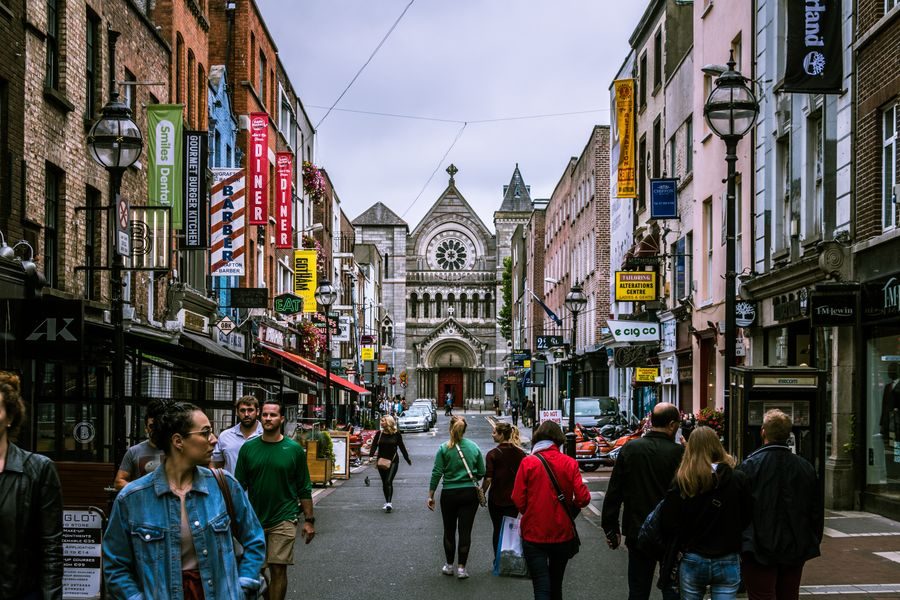
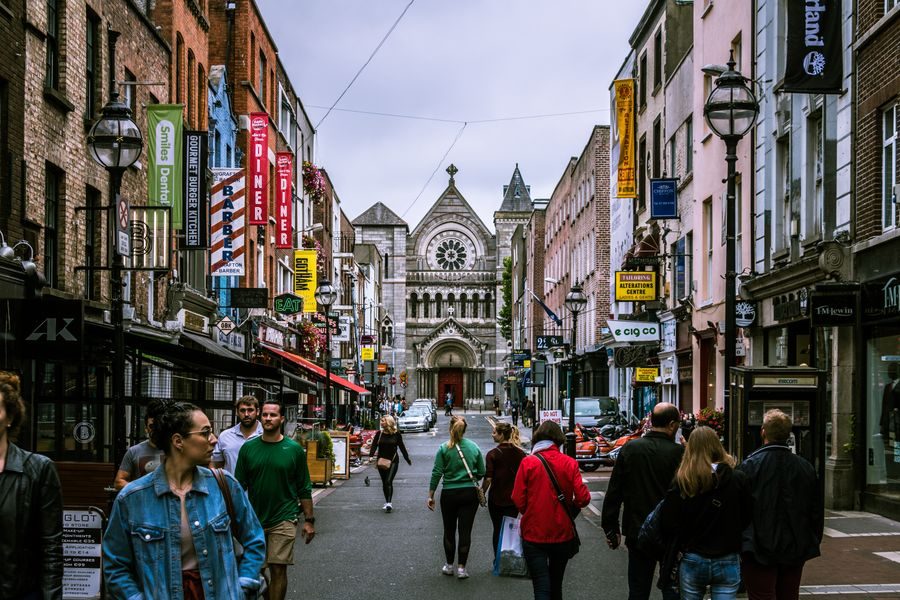
Student Guide: History of Public Transport Tips
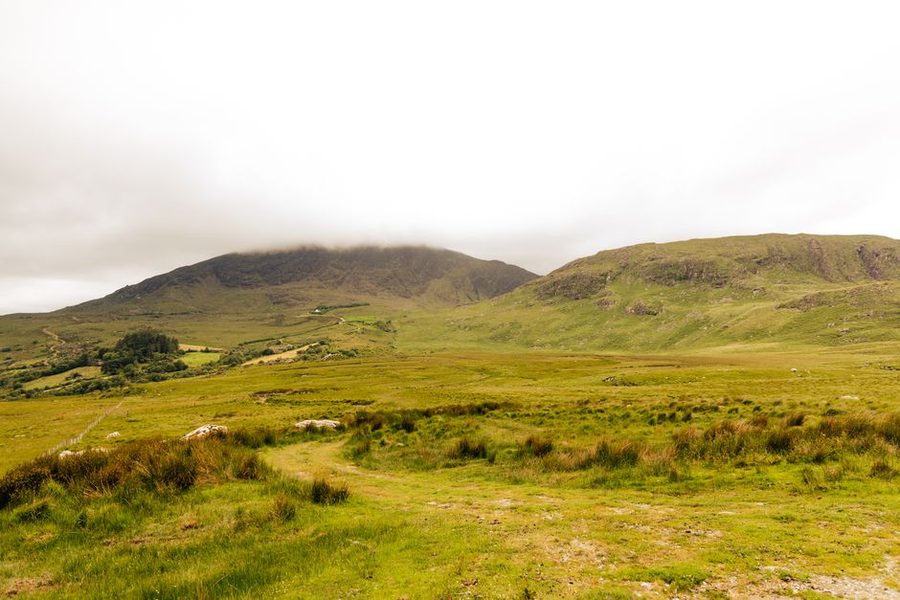
You'll find Ireland's public transport grew from market lanes and tramlines into buses, ferries and railways that shape student life and festivals. You'll learn how trams linked fairs, how railways opened heritage towns, and how buses adapt for games and late-night music. Pack light, use multi-ride passes, check timetables and plan safe returns. Volunteer or join rider councils to shape services. Keep going and you'll uncover practical tips, event strategies and sustainable travel ideas.
Highlights
- Summarize major eras: horse trams, electric trams, and railways shaping Irish public transport and civic life.
- Connect routes to social rhythms: markets, fairs, festivals, and school commuting patterns.
- Highlight community roles: volunteer efforts, rider councils, and local input shaping services.
- Note practical research tips: use timetables, archives, station exhibits, and oral histories for primary sources.
- Emphasize sustainability and events: festival services, multi-ride passes, and low-emission travel choices.
Origins of Irish Public Transport and Cultural Gatherings
Though much of modern Irish public transport grew from 19th-century needs, its roots reach into older patterns of travel tied to markets, parish fairs and seasonal gatherings. You'll see how people moved to trade, worship and celebrate, and you'll appreciate the historical significance of routes that linked hamlets and towns. Those pathways shaped choices about where coaches ran and where piers and lanes were kept. You're free to imagine how communal rhythms created demand for predictable connections, and how that demand shaped infrastructure with lasting cultural impact. As a student seeking independence, you'll use that insight to read transport maps not just as lines, but as traces of social life that made modern mobility possible.
Tramways and Town Festivals Through the Centuries
Those market routes and fair-day lanes didn't just guide coaches and boats , they set the pattern for early tramways that carried people within towns to weekly markets, seasonal festivals and civic celebrations. You'll see how trams history mirrors civic life: lines routed to plazas, stops named for stages, schedules matching procession times. You'll feel the freedom of choice as routes multiplied, letting you join parades or slip away to quieter lanes. Think of scenes like:
Market routes became tramlines , routing crowds to plazas, matching processions, and opening choices between parades and quiet lanes.
- A horse tram arriving beside a bustling market square, banners snapping in wind.
- Electric trams stopping under bunting as musicians unload instruments.
- Evening trams lit by gas lamps, passengers drifting between fairground lights.
These festival connections shaped social flow and local independence.
The Role of Railways in Connecting Irish Cultural Sites
You'll notice how railways link heritage towns, making it easy to hop between castles, museums, and old market streets. Many lines also serve coastal sites, giving you scenic routes to cliffs, beaches, and maritime museums. Stations themselves often act as cultural hubs, hosting exhibits, markets, or tourist information that help you plan visits.
Railways Linking Heritage Towns
When you ride the rails between Ireland's heritage towns, you'll find the journey is as much a link to the past as the destinations themselves,small stations, preserved steam sheds and narrow platforms often sit beside medieval streets and coastal promenades, making it easy to step from carriage to castle or museum. You'll appreciate how heritage preservation and town connectivity go hand in hand: local lines keep memories alive while giving you the freedom to travel without a car. Trains stitch communities together, letting you choose your route and linger where you want.
- A station clock, ivy-clad walls, and a bench that's seen generations.
- Cobblestone alleys reached within a ten-minute walk.
- Railway gardens, signal boxes, and old lamps guiding your wanderings.
Trains Serving Coastal Sites
Coastal trains open up a different kind of Irish history, weaving seaside villages, lighthouses, and maritime museums into a single, easy route you can hop on and off. You'll choose beach excursions and scenic routes that free you from rigid plans, letting you follow wind-swept cliffs and hidden coves. Trains link piers and coastal trails, so you can step off for a museum or linger at a quiet shore. The rhythm of the rails matches your pace , spontaneous, unhurried, yours.
| Emotion | Place | Moment |
|---|---|---|
| Awe | Clifftop station | Sunset glow |
| Calm | Sandy cove | Bare feet |
| Wonder | Lighthouse path | Foghorn hush |
Stations as Cultural Hubs
After following the rails along cliffs and coves, you'll find that stations themselves are more than stops , they're gateways into Ireland's cultural life. You can wander from platforms into museums, spot commuter art brightening tiled walls, or catch impromptu station performances that turn waits into discoveries. These hubs link villages, galleries, and heritage sites so you can choose your own route.
- A coastal platform framed by rocks, where local poets read and gulls wheel.
- A town station with murals and commuter art telling labor and migration stories.
- An old terminus hosting station performances,folk songs spilling onto quiet streets.
Traveling by train gives you freedom: move freely between history, music, and everyday life.
Buses, Community Events, and Local Traditions
You'll find that local bus histories often reveal how routes grew around markets, schools, and seasonal fairs. At festivals you'll notice extra services and temporary stops that keep communities connected. Pay attention to tradition-driven routes that still follow old procession or pilgrimage paths.
Local Bus Histories
Many towns have a bus story worth knowing, and learning it helps you see how routes, vehicles, and schedules grew out of everyday life. You'll notice how local bus routes mapped work, markets, and schools, and how community engagement shaped stops and timetables. Knowing that history gives you context for choices you can influence today.
- A single route once linked a factory, a square, and a cinema , imagine morning shifts, lunchtime crowds, evening chatter.
- Volunteer drivers and town meetings nudged service where it was needed , picture a noticeboard of requests and fixes.
- Old buses repurposed for parades or charity runs , see worn seats, polished badges, and proud locals waving.
You'll use that freedom to advocate smarter, kinder transit.
Transit at Festivals
When festivals fill streets with music, stalls, and crowds, buses become essential connectors , getting people to events, helping vendors move supplies, and reducing car congestion; knowing how services change for celebrations lets you plan smarter, avoid delays, and support inclusive access for everyone. You'll check schedules, pick accessible stops, and lean on transit partnerships that expand service. Expect temporary routes, boarding zones, and staff directions; remember festival accessibility for wheelchair users, sensory needs, and clear signage. Embrace flexible options like park-and-ride or shuttle loops so you keep freedom to move. Work with organizers, volunteer to guide riders, and give feedback after events to improve future coordination.
| Service | Purpose | Tip |
|---|---|---|
| Shuttle | Last-mile | Arrive early |
| Extra bus | Capacity | Watch apps |
| Info booth | Guidance | Ask staff |
| Accessibility | Inclusion | Reserve space |
| Partnership | Scale | Report gaps |
Tradition-driven Routes
Festival routes often overlap with long-standing community traditions, so after checking temporary service changes you should also learn how regular routes adapt for parades, religious processions, markets, and seasonal fairs. You'll notice buses become mobile stages of cultural significance, and understanding route heritage helps you move freely through events without missing traditions you care about. Watch for detours, special stops, and volunteer marshals who guide crowd flow. Travel flexibly: leave earlier, use alternative lines, or embrace walking segments to join celebrations. Your choices let you participate or slip away as you wish.
- Colorful buses rerouted past parade floats.
- Coaches stopping near shrine ceremonies.
- Local minibuses forming market shuttle loops.
Waterways, Ferries, and Coastal Celebrations
Waterways are more than scenic routes , they're practical parts of public transport in coastal cities, offering ferries, water taxis, and seasonal services that can save you time and avoid traffic; knowing schedules, ticketing options, and where piers connect to buses or trains helps you plan trips and join coastal events without getting stranded. You'll love how waterway celebrations and ferry traditions create vibrant, flexible travel options that respect your freedom to choose routes and timings. Pack light, check real-time updates, and link ferries with other modes to explore harbors, markets, and festivals. Below is a quick comparison to help you pick the right service for your mood and schedule.
| Service | Speed | Best for |
|---|---|---|
| Ferry | Moderate | Scenic commutes |
| Water taxi | Fast | Direct hops |
| Seasonal shuttle | Variable | Events and festivals |
How Public Transport Shaped Gaelic Sporting Events
Because public transport made mass travel practical, Gaelic games grew from local matches into county and national spectacles you can reach without a car. You feel the pull of Gaelic history as buses and trains opened routes, letting supporters travel freely, cheering together, and turning fixtures into shared pilgrimages. Transport influences meant predictable timetables, organised away support, and affordable day trips that broadened rivalries into regional identity.
- A packed tram arriving with scarlet and amber scarves, the crowd humming.
- A late-night bus spilling laughing teams and tired players under streetlights.
- A station poster promising return services, freeing you to plan trips without worry.
You gain autonomy to follow teams, make memories, and belong to a wider sporting community.
Transport Access to Music Sessions and Ceilidhs
When buses and trains run late into the evening, you can join impromptu music sessions and ceilidhs without worrying about how you'll get home; reliable public transport turns nights of tune-sharing into realistic social plans rather than risky adventures. You'll find that simple knowledge of timetables and night routes gives you freedom to chase music transport options across town , hop between bars, community halls, and open sessions without being tied down. For ceilidh access, look for direct services or hubs with frequent connections; bike-and-ride or shared rides can extend reach if schedules thin. Carry contact numbers, a transit app, and a mental map of last departures so you can stay out late, stay spontaneous, and still get home.
Seasonal Transport Patterns for Cultural Festivals
When festivals roll around you'll notice clear peak travel times as students and visitors flood transport links. Check for special event routes or temporary timetables that run directly to festival sites. Be aware of crowd-control measures like queueing systems or additional staff so you can plan safer, faster journeys.
Peak Travel Times
Although festival schedules vary, you should plan for sharp spikes in demand during cultural events, with mornings and late afternoons often busiest as people arrive and leave ceremonies, and evenings packed when performances end. You'll notice rush hour blends with festival surges, so study travel patterns and leave extra time. Pick flexible routes, carry a backup plan, and embrace slow moments to explore.
- Crowded plazas: streams of people toward transit hubs, shared rhythms and tight space.
- Sunset exodus: groups moving together, ticket lines swell, patience becomes your ally.
- Morning flow: steady climb in riders, quieter windows shrink , grab the earliest chance.
You want freedom to move; anticipate peaks, adapt quickly, and keep options open.
Special Event Routes
How will you navigate altered routes and extra services during festivals? You'll want to scout maps and official notices beforehand so you can keep moving freely. Special event schedules often add temporary stops or reroute buses and trams; check apps and station boards for real-time updates. Pack light and pick flexible fares or day passes so you're not tied to one plan. Watch for clear signage that shows transport adaptations and follow staff guidance to reach alternative pickup points. If you value spontaneity, learn a few backup options , bike-share docks, nearby stops, or walking corridors , so you can pivot without stress. Stay aware of timing changes and embrace the temporary network: festivals should expand your options, not limit them.
Crowd-Control Measures
Because festivals draw big, concentrated crowds, transport authorities put crowd-control measures in place to keep people moving safely and efficiently. You'll appreciate how simple tactics respect your freedom while guiding flows: clear signage, timed entries, and flexible routing reduce stress and let you choose your path without bottlenecks. Planners study crowd dynamics and use capacity management to avoid overloads, keeping services frequent and predictable so you're not stuck.
- Barriers and one-way walks channel movement without confining you.
- Real-time displays and apps show load levels so you can decide when to travel.
- Pop-up platforms and shuttle loops expand capacity management during peaks.
These measures protect individual choice while making festival travel smoother.
Navigating Language and Heritage Tours by Public Transit
When you plan a language or heritage tour by public transit, think route maps and local schedules as tools for deepening your experience rather than just ways to get from A to B. You'll use transit to access neighborhood museums, spoken-word corners, and living history sites that resist language barriers through signage, audio guides, and welcoming locals. Respect heritage preservation by staying on marked paths and supporting community-run tours. Pack a pocket phrasebook or app, follow flexible timetables, and choose transit routes that let you linger. Below is a simple planning snapshot to guide your choices:
| Focus | Transit Tip | Local Resource |
|---|---|---|
| Language practice | Off-peak trams | Community centers |
| Heritage sites | Short walks | Volunteer guides |
| Flexibility | Day passes | Audio tours |
Practical Ticketing Tips for Students at Cultural Events
Using transit to reach museums or neighborhood festivals makes ticketing logistics the next thing to sort out, since you'll want to balance cost, access, and timing. Think ahead: compare student discounts and event passes online, time your arrival to avoid queues, and keep digital or printed proof handy. Buy multi-ride passes if you'll roam freely all day.
- A city map, pocket schedule, and a day pass in your hand , you move without waiting.
- Showing a student ID at the box office grants reduced fares and reserved spots.
- Bundled event passes plus off-peak travel let you linger at exhibits and catch late shows.
You'll stay flexible, save money, and make cultural stops on your own terms.
Safety and Respect When Traveling to Traditional Irish Venues
If you're heading to traditional Irish venues like pubs, ceil halls, or small music sessions, be mindful of local customs and personal safety: keep your belongings close, respect performers by avoiding loud conversations during sets, and ask before joining a dance or taking photos. You'll want to follow basic safety protocols on the way there and back , plan routes, travel in groups at night, and share your ETA with a friend. Embrace respectful behavior: listen, clap at the end of tunes, and let musicians lead interactions. Dress comfortably so you can move freely, but avoid flashing valuables. If a situation feels off, trust your instincts and leave; venues are social spaces, not obligations, and you're free to enjoy them on your terms.
Volunteer and Participation Opportunities via Local Transport Networks
Because local transport networks connect communities, they're also great places to plug into volunteer and participation opportunities , from helping out at station gardens and bike-share hubs to joining accessibility audits or rider councils. You can shape services, practice community engagement, and push transport advocacy that values freedom of movement. Volunteering gives you hands-on skills, local contacts, and a voice in planning decisions, all while staying flexible.
- Plant native flowers at a tram stop to brighten commutes and meet neighbours.
- Maintain bikes at a share hub so riders keep moving without relying on cars.
- Join a rider council or accessibility audit to advocate for inclusive routes and schedules.
Jump in when you're ready , your time changes transport for everyone.
Sustainable Travel Practices for Attending Irish Cultural Experiences
When you head to a ceil, museum, or festival, choose travel options that cut emissions and keep the experience local , walk, cycle, take the train, or use a community bus to reach venues and explore nearby neighborhoods. You'll conserve resources and feel freer moving at your own pace, spotting hidden events and street performers. Pack light, bring a reusable bottle, and pick accommodations near transport hubs to reduce taxi reliance. Buy multi-ride tickets or student passes to save money and encourage regular transit use. Support local guides and artisans you meet, keeping your spending within the community. These sustainable practices make cultural experiences richer and more authentic, while letting you travel responsibly without sacrificing spontaneity.
Some Questions Answered
Are There Student Discounts for Multi-City Cultural Festival Passes?
Yes , you can often get student discounts for multi-city festival passes; check festival pricing pages and ID policies, and pair savings with public transport concessions so you're free to travel between venues without overspending or missing spontaneous experiences.
How Can I Store Musical Instruments Safely on Public Transport?
Securely stow your stringed stuff: use sturdy instrument cases, shoulder straps snug, and avoid aisles. Handle with calm confidence, request space when crowded, keep cases upright, and practice safe handling to preserve freedom and peace while traveling.
Are Pets Allowed on Regional Ferries During Events?
Usually you can, but ferry pet policies vary by route and event restrictions, so you'll check ahead. For event travel tips, confirm leash or carrier rules, vaccination proof, and busy-boat accommodations so you'll keep freedom and avoid surprises.
Can I Bring Food From Festivals on Trains and Buses?
Yes , you can usually bring festival food on trains and buses, but you'll need proper food storage and to follow festival regulations; you'll want discreet packaging, avoid strong smells, and respect crew and fellow passengers' space.
Where Can International Students Buy Temporary Transport Cards?
You can grab temporary card options at transport card locations like train stations, airport kiosks, university student unions, and convenience stores , you'll feel free to roam; even a medieval messenger would've admired that instant mobility and convenience.
Summing Everything Up
You've got everything you need to explore Ireland's culture by public transport , and it'll change your life (or at least feel like it!). Use trams, trains, buses, and ferries with respect, buy student tickets, volunteer when you can, and travel sustainably. Keep safety and local customs in mind, arrive early for festivals, and tip drivers or guides politely. Enjoy the journey , these routes don't just get you there, they bring stories.