Visa Costs for Language Course Applicants
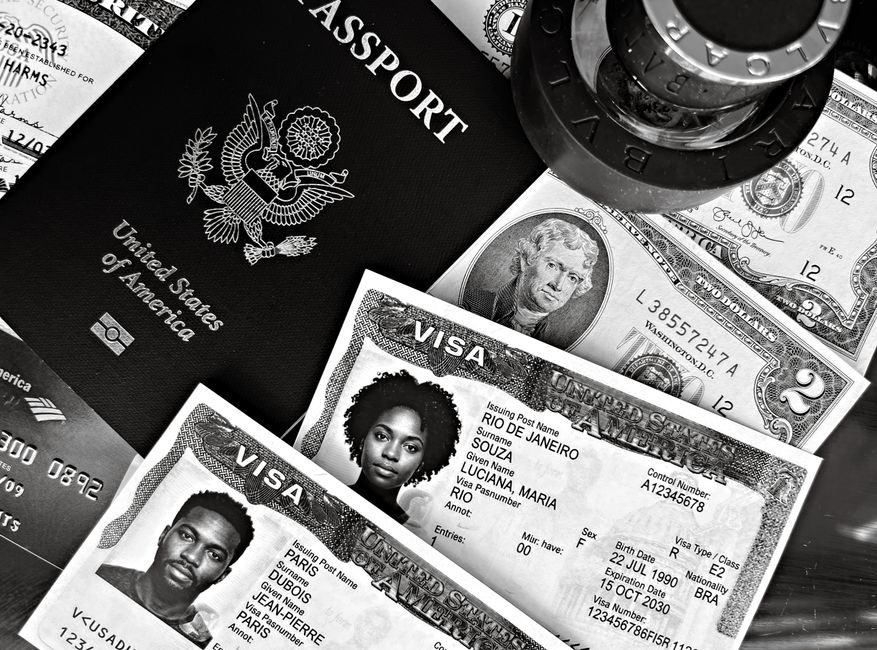
You'll need to budget beyond the visa application fee itself , expect biometric charges, mandatory health insurance, and sometimes extra government surcharges. Schools often require nonrefundable tuition deposits and proof of payment for your enrollment certificate. Add costs for certified translations, notarization or apostilles, medical checks, courier fees and exchange or transfer charges. Agent or consultant fees vary, and unexpected expenses pop up, so plan a buffer , keep going and you'll get detailed cost-saving tips and timelines.
Highlights
- Check the host country's official consulate site for exact visa fees, biometrics, and government surcharge amounts before budgeting.
- Include mandatory health insurance and its required coverage levels when calculating total visa-related costs.
- Factor in nonrefundable tuition deposits and proof-of-payment timing that can affect Certificate of Enrollment and visa issuance.
- Budget for medical exams, vaccinations, biometric enrollment, translation/notarization, and possible travel for consulate interviews.
- Compare agent/consultant fees, currency conversion costs, courier charges, and set an emergency fund for unexpected expenses.
Typical Visa Application Fees by Country
Visa application fees vary widely by country, so you'll want to check each destination before budgeting for a language course abroad. When you compare options, visa application comparisons help you spot patterns: some countries charge a modest flat fee, others scale by course length or nationality. You'll find country specific fees posted on official consulate sites, so use those primary sources rather than forums. Factor in exchange rates and possible renewals if you'll extend your stay. If freedom matters, prioritize destinations with transparent, low-cost processes that let you change plans without heavy penalties. Keep a concise list of required documents and deadlines for each nation, and review fee refund policies in case your plans shift unexpectedly.
Additional Government Charges and Service Fees
When budgeting for a language-course visa, you'll also need to account for items beyond the base application fee. These can include a government healthcare surcharge, biometric and processing fees, and any third-party service charges for things like document checks or couriering. Check official guidance and provider quotes so you're not caught off guard by these additional costs.
Government Healthcare Surcharge
Although you're paying tuition and application fees, there's also a mandatory government healthcare surcharge that you must pay as part of your immigration costs. You'll want to understand the health surcharge implications early so it doesn't catch you off guard or limit your plans. It buys access to public healthcare during your stay, reducing private medical expense risk and preserving your freedom to focus on study and travel. Budget for this cost alongside tuition and living expenses, since the visa application impact is direct: your application won't be complete without proof of payment. Payments are usually made online during application, and refunds are rare, so double-check eligibility periods and coverage dates before committing to avoid extra fees or gaps in protection.
Biometric and Processing Fees
Along with the healthcare surcharge, you'll also need to budget for biometric and processing fees that the government or visa services charge separately. You want predictability and control, so factor in costs tied to biometric technology , fingerprinting, photo capture , and fees that cover administrative handling. These charges support processing efficiency and secure identity verification, letting you plan your move without surprises.
| Item | Typical cost |
|---|---|
| Biometric collection | $30-$80 |
| Application processing | $50-$150 |
Check official fee schedules for exact amounts and updates. Keep receipts and confirmation numbers; they protect your rights and give you leverage if timelines slip. Prioritize transparent providers and official centers to preserve your freedom and reduce risk.
Third-Party Service Charges
Because visa systems rely on external providers for document translation, courier delivery, and expedited handling, you should factor third-party service charges into your budget. You'll want a clear service provider comparison to spot hidden fees, turnaround times, and refund policies so you can choose freedom-friendly vendors that match your timeline and standards. Consider whether application assistance options,like form review, interview prep, or dedicated case managers,are worth the extra cost or if you can handle tasks yourself to save money. Get written quotes, check reviews, and confirm liability for lost documents. Prioritize flexible providers who let you scale services up or down; that control helps you avoid surprise expenses and keeps your path to study abroad independent and affordable.
Biometric and Health Insurance Costs
You'll often have to pay biometric enrollment fees when applying for a language-course visa, so factor that into your budget. You'll also usually need mandatory health insurance for the duration of your stay, which can vary in cost and coverage. Check the exact fee amounts and policy requirements before you apply.
Biometric Enrollment Fees
When you apply for a language-course visa, you'll normally need to pay a biometric enrollment fee to cover fingerprinting and photograph capture at the visa center; this fee is separate from tuition and typically nonrefundable. You'll go through a streamlined biometric enrollment process where officials collect fingerprints and a photo; fees fund equipment, staff, and biometric data security measures. Knowing this helps you plan and keeps you in control of costs so you can focus on study and mobility.
- Expect to pay a modest, one-time fee at appointment check-in.
- Bring required ID and appointment confirmation to avoid delays.
- Ask about secure handling, retention period, and your rights over biometric data.
Budget for the fee as part of your visa timeline.
Mandatory Health Insurance
Most language-course visas require you to have mandatory health insurance that meets specific coverage and validity rules set by the host country. You'll need to look at health insurance options that balance cost, flexibility, and the coverage requirements your visa demands , often minimum medical limits, repatriation, and emergency care. Pick a plan that lets you move freely without bureaucratic surprises: short-term student policies, international plans, or top-ups to existing coverage can work. Keep documentation handy for your visa interview and registration with local authorities. Compare premiums, exclusions, and claim processes so you're not tied down by restrictions later. By choosing the right policy, you'll protect your health and preserve the freedom to focus on learning.
Language Course Tuition and Deposit Requirements
Before you enroll, understand exactly how tuition and deposit rules affect your visa eligibility and finances: schools typically require a nonrefundable deposit to secure your spot and proof of full or partial tuition payment when issuing the COE or enrollment letter used for visa applications. You'll want clear information on tuition payment options and deposit refund policies so you can plan travel, housing, and living expenses without ties holding you back. Ask for timelines, accepted payment methods, and whether staggered payments satisfy visa paperwork. Keep records of receipts and correspondence; freedom comes from control over paperwork and money.
- Confirm required payment deadlines and accepted methods.
- Check whether deposits are refundable under cancelation or visa denial.
- Verify if staged payments affect COE issuance and visa timing.
Document Translation and Notarization Expenses
Paperwork can get pricey, so budget for certified translations and notarizations early , you'll usually need official translations of diplomas, transcripts, and ID documents plus a notary or apostille for some visa processes. You'll want to check your destination's document requirements before ordering services so you only pay for what's needed. Use reputable translation services that offer certification and native reviewers; cheaper options may cost more later if rejected. Notaries and apostilles have fixed fees and varying processing times, so factor in rush fees if you need speed. Keep digital copies and originals organized to avoid repeating steps. Planning this part carefully preserves your freedom to choose courses and travel dates without last-minute administrative holds.
Medical Exams and Vaccination Costs
Along with getting your documents in order, you'll need to budget for medical exams and vaccinations required by many host countries or language programs. You want flexibility, so plan ahead: check specific vaccine requirements and gather medical documentation from approved clinics. Costs vary by country and tests , basic physicals, chest X-rays, blood work, and travel vaccines can add up. Keep receipts and translated medical documentation for your visa file. If you're aiming for freedom to travel and study, factor in potential repeat visits or expedited appointments.
- General medical exam (consultation, tests, X-ray)
- Required vaccines (e.g., Hepatitis, MMR, COVID boosters)
- Administrative fees (certified forms, copies, translations)
Travel and Accommodation for Visa Interviews
If your visa interview's in a different city, plan travel and a place to stay early so you're not rushing the day before. You'll want simple logistics: book a refundable train or flight and pick accommodation near the consulate so you control your time and stress. For efficient visa interview preparation, map transit options, check local traffic patterns, and factor extra time for security lines. Choose a quiet, budget-friendly hotel or short-term rental that lets you rest and review documents without interruptions. Use travel accommodations tips like confirming bookings, saving digital copies of receipts, and noting check-in rules. Staying flexible and organized saves money and preserves your freedom to focus on the interview itself.
Agent and Immigration Consultant Fees
You'll often see agent fees for language-course visas range from a modest flat fee to several hundred dollars depending on services offered. Consider hiring an immigration consultant if your case is complex, you're unfamiliar with paperwork, or you need representation for appeals. Compare credentials and fee structures before committing so you're not paying more than necessary.
Agent Fee Ranges
When you're weighing up language course options, don't overlook the agent or immigration consultant fees,they can add several hundred to several thousand dollars to your total costs. You want clarity and control: agent commission often varies by service level, country placement, and visa complexity. Ask for a written breakdown, and be ready to enter fee negotiation if the commission feels excessive. Knowing typical ranges helps you budget and keep options open rather than locked in.
- Basic placement: low commission, minimal support, cheaper but more independent.
- Full-service packages: higher commission, includes paperwork and contact handling.
- Premium or urgent processing: top-tier fees, faster turnaround and extra guidance.
Compare quotes, insist on transparency, and choose freedom over surprise costs.
When to Hire an Immigration Consultant
Agent fees are one thing, but figuring out whether to hire an immigration consultant is another decision that affects cost, timeline, and your stress levels. You'll want help if your case is complex, deadlines are tight, or you value certainty over trial-and-error. A good consultant proves consultant qualifications , certification, references, and experience with the immigration process , before you sign any agreement. Expect clearer timelines, fewer errors, and someone to challenge delays, but weigh that against extra fees. If your application's straightforward and you like managing details, you can save money by doing it yourself. If freedom means minimizing uncertainty, pay for expertise; if it means keeping costs low, prepare to learn rules and handle steps solo.
Currency Exchange and International Transfer Charges
International transfers and currency conversion can add a surprising chunk to your language-course bill, so it's important to know what fees and rates you'll actually pay. You'll want to factor in currency fluctuation impacts and international transfer fees when planning; small swings can raise costs and some providers hide poor exchange rates. Choose services that promote freedom: low fees, transparent rates, and speed.
International transfers and hidden exchange margins can quickly inflate your language-course costs , choose low-fee, transparent services and plan transfers.
- Compare providers: banks vs. specialist services and their effective rates.
- Timing strategy: lock rates or set alerts to manage currency fluctuation impacts.
- Fee breakdown: upfront transfer fees, receiving fees, and intermediary bank charges.
Plan transfers ahead, keep records, and pick tools that let you move money with control and minimal cost.
Hidden Costs: Unexpected Expenses to Budget For
Beyond transfer fees and exchange rates, there are a number of smaller charges that can quietly push your language-course budget higher than you expect. You'll want to factor in visa service surcharges, courier fees for document return, and occasional biometrics or appointment fees. Don't forget local registration taxes, mandatory health checks, and travel between consulates or schools for interviews. If you need translated or notarized documents, those costs add up. Some banks charge incoming transfer fees, and your card issuer may apply foreign transaction fees. These hidden expenses affect your freedom to move and study unless you prepare. Treat them as real budget considerations when planning, so you're not surprised and can keep control of your finances.
Cost-Saving Strategies for Prospective Students
Looking to keep costs down while studying a language abroad? You can preserve freedom and still manage expenses by using practical budgeting tips and hunting scholarship opportunities early. Prioritize essentials, cut nonessentials, and pick flexible options that let you stay mobile.
- Choose shared housing or host families to lower rent and meet locals.
- Work part-time or tutor language learners to offset visa and living fees.
- Apply for scholarships, grants, and fee waivers aimed at exchange or intensive-course students.
Track spending weekly, set a modest emergency fund, and use apps to avoid surprises. Be ready to adapt plans if cheaper, quality alternatives appear , that flexibility gives you control without sacrificing your learning goals.
Timeline Planning to Minimize Financial Risk
If you plan your visa and course timeline carefully, you'll cut financial risk by avoiding last-minute fees, rushed housing decisions, and missed scholarship deadlines. You want flexibility, so map backward from course start dates: note visa processing times, document gathering, and any required interviews. Build an application timeline with buffers for delays and quick reapplications. Tie budget planning to each milestone , visa fees, travel, deposit deadlines , and set aside an emergency fund equal to a month's living costs. Prioritize refundable options where possible and confirm cancellation policies. By pacing steps and checking deadlines weekly, you'll keep costs predictable and maintain freedom to adjust plans if something changes, rather than reacting under pressure and paying extra.
Some Questions Answered
Can Family Members Accompany Me on a Language-Course Visa?
Usually no , you can't bring dependents on a short language-course visa. Check visa eligibility requirements and family visa options though; you'll want freedom to explore longer-study or family-sponsored routes if you need dependents to join.
Are Visa Fees Refundable if My Application Is Denied?
No , you won't get a treasure chest back; most countries don't refund visa fees if denied. During the visa application process, check specific refund policies early so you're free to plan without nasty financial surprises.
Do Short Extension Requests Incur Extra Visa Charges?
Usually you won't pay full extra visa charges for a short extension, but extension fee implications vary by country and the visa application process, so check rules promptly , you'll want freedom to extend without unexpected costs.
Will Emergency Medical Evacuation Be Covered Abroad?
It depends , you'll need medical coverage and travel insurance that explicitly include emergency medical evacuation; don't assume it's automatic. Choose flexible, extensive policies so you're free to access evacuation, repatriation, and high-quality care abroad.
Can I Work Part-Time on a Language-Course Visa?
Sometimes you can, but it depends: check part time regulations and visa restrictions for your country. You'll want clarity on permitted hours, work types and permits; stay flexible, assertive, and ready to negotiate options that preserve your freedom.
Summing Everything Up
You've laid out the fees like a travel checklist: visa stamps, biometric prints, tuition slips and translated papers nesting like shells on a shore. Picture your budget as a suitcase , pack deposits, insurance, exchange fees, and a little emergency cash, then zip it with a timeline-tag. With careful planning and cost-saving straps in place, you'll step through immigration confident, not weighed down, ready to learn in a new language and new light.