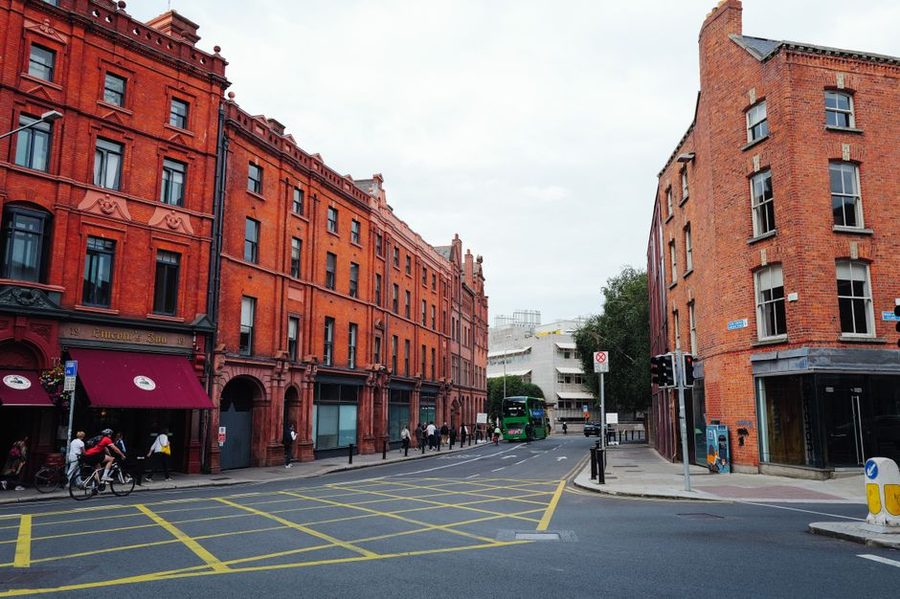
Why Choose English Programs in Dublin City?

You should choose English programs in Dublin because you'll be immersed in a compact, friendly city where daily life becomes practice. Neighborhoods like Temple Bar and Smithfield host lively student scenes, cafes, and events for quick connections. Quality schools sit near campuses and transport, so learning fits around work and fun. Affordable shared housing, easy transit with a Leap card, and rich cultural attractions make progress fast , keep going to find practical tips on housing, costs, and social life.
Highlights
- English programs in Dublin offer immersion in a native English environment with diverse international classmates for practical speaking practice.
- Compact city layout and efficient transport let students access campuses, cultural sites, and language practice easily.
- Strong university supports and student services provide academic advising, counseling, and tailored language resources.
- Rich cultural scene, festivals, and live-music neighborhoods create authentic contexts to practice conversational and cultural English.
- Competitive housing options, student discounts, and flexible part-time work opportunities help manage cost of living while studying.
Dublin at a Glance: Key Facts for Students
Dublin is compact and student-friendly: you'll find a city of roughly a million people where the main universities, language schools, and nightlife are all within easy reach by foot, bike, or short public-transport hops. You'll appreciate Dublin history in everyday life , from medieval streets to modern cultural hubs , which gives your studies a living backdrop without feeling stuffy. Check student demographics to see lively international mixes, varied age ranges, and active campus communities that let you choose how independent or social you want to be. You can pursue intensive language training, join grassroots creative scenes, or simply wander and learn. This city supports your freedom to shape study, work, and leisure on your own terms.
Top Neighborhoods for Student Life
Looking for the best spot to live, study, and socialize? You'll find Trendy neighborhoods like Temple Bar, Stoneybatter, and Smithfield buzzing with cafes, live music, and creative energy that let you shape your days. Pick areas where Student communities are visible , weekly events, study meetups, and informal clubs make it easy to connect fast. If you want freedom, choose neighborhoods with flexible amenities: late-hour libraries, casual co-working spaces, and parks for downtime. Consider proximity to campuses and transit so you can roam the city without feeling tied down. Walkable streets and local markets let you discover spots on your own terms. Living where students gather gives you instant social life and the liberty to craft your Dublin experience.
Housing Options and How to Find Them
Now that you've picked the neighborhoods that fit your lifestyle, it's time to pick where you'll actually live. You'll want to weigh accommodation types , homestays, shared flats, studios, or student residences , against your budget and need for independence. Search trusted rental platforms and college noticeboards, filter for lease length and included bills, and message landlords with clear questions about deposits and utilities. If you crave freedom, choose a place that lets you come and go without strict rules, but verify safety and contract terms first. Visit in person when you can, or ask for video tours. Keep copies of agreements, note move-in conditions, and plan flexible cancellation options so your living situation supports your studies and adventurous Dublin life.
Public Transport and Commuting Tips
Because you'll be getting around the city every day, it's worth learning the main transport options , buses, trams (Luas), commuter trains (DART and suburban lines), and bikes , and how they fit your schedule and budget. You'll want to mix freedom with efficiency: use bus routes for flexible hops, tram services for predictable corridors, and the DART for coastal runs. Buy a Leap card, download real-time apps, and keep a compact rain jacket. Plan trips to avoid rush hour, lock your bike securely, and learn transfer points so you can explore without being tied down.
Because you'll navigate daily, learn buses, trams, DART, and bikes , get a Leap card and plan smart.
- Learn key bus routes and their apps.
- Rely on tram services for central trips.
- Use DART for seaside escapes.
- Carry a Leap card for seamless rides.
- Cycle short distances; lock firmly.
Cost of Living Breakdown for Students
While Dublin can feel pricey at first, you'll find ways to manage costs if you plan ahead and pick priorities. You want freedom to explore, so use practical budgeting tips and simple expense tracking to keep control. Choose shared housing, cook sometimes, and hunt for student discounts to stretch your budget without sacrificing fun. Track weekly spending on transport, food, and leisure to see where to cut back and where to indulge. Below's a small visual to stir resolve , each row a choice that shapes your life here.
| Necessity | Cost range | Emotion |
|---|---|---|
| Rent (shared) | 400-700 | Relief |
| Food (monthly) | 150-250 | Comfort |
| Transport | 40-100 | Mobility |
| Leisure | 50-120 | Joy |
Best Cafes and Study Spots in the City
If you need a spot to focus between classes, Dublin has cafes and libraries that suit every study style , from quiet nooks with reliable Wi-Fi to lively cafes where background buzz helps concentration. You'll find places that match your rhythm: cozy corners for deep work, sunny tables for casual reading, and spots that celebrate coffee culture so you can savor a great brew while you study. You're free to pick a vibe that fits your day, whether you want solitude or soft chatter. Avoiding heavy crowds, you can rotate through favorites and keep your routine fresh. Consider these go-to options to balance productive hours and relaxed breaks:
Need a focused study spot? Dublin's cafes and libraries offer quiet nooks, lively buzz, great coffee, and reliable Wi-Fi.
- Themed cafe with strong espresso and comfy seating
- Quiet corner cafe near parks for fresh air study sessions
- Bright cafe with plenty of plugs and fast Wi-Fi
- Small cafe popular with students and weekend crowd
- Cafe close to local co working spaces for flexible days
Libraries, Study Hubs, and Co-working Spaces
When you need a more structured study environment than a cafe, Dublin's libraries, study hubs, and co-working spaces give you reliable Wi-Fi, quiet zones, and bookable rooms so you can focus, meet classmates, or work on group projects without distractions. You'll find public libraries stocked with academic texts and digital library resources, so research's easy and free. Study hubs around colleges offer flexible hours and collaborative tables when you need to brainstorm. If you crave independence, co-working benefits include 24/7 access, networking with creatives, and professional meeting rooms you can reserve by the hour. These options let you shape your day,intense solo sessions, group revision, or casual networking,without locking into a single routine, keeping your study life adaptable and efficient.
Part-time Work and Internship Opportunities
Quiet study spaces and networking at co-working hubs also make it easier to hunt for part-time jobs and internships around Dublin. You'll find flexible roles that let you earn while improving language skills and gaining valuable work experience for your CV. Internships are often tailored to short stays, so you can explore industries that spark your independence and support career development. Employers here value proactive learners, so your classroom progress quickly translates to real tasks. Balance is doable , you'll keep study priorities while sampling professional life.
- Local cafes and retail for flexible shifts
- Startups offering short internships
- University job boards with part-time listings
- Networking events at co-working spaces
- Volunteer roles that build skills and contacts
Healthcare, Insurance, and Student Support Services
You'll want to understand your health insurance options before you arrive, since coverage and costs can vary between EU and non-EU students. Check what on-campus student support services are offered , counseling, medical referrals, and emergency assistance can make settling in much easier. Ask your school for specific policy details and how to register for services.
Health Insurance Options
Because healthcare costs and coverage rules differ between EU and non-EU students, you should compare what's offered before you enroll. You'll want clear information on health insurance plans and coverage options so you can travel, study, and explore Dublin without surprises. Pick a plan that fits your independence: short-term, long-term, or tailored student policies. Check exclusions, emergency care, and prescription rules. Know whether the school requires specific proof and whether local clinics accept your policy.
- Confirm policy limits and deductibles.
- Verify emergency evacuation and repatriation.
- Check mental health and counselling coverage.
- Ascertain prescriptions and specialist referrals are included.
- Compare prices, reviews, and claim ease before deciding.
On-Campus Student Support
Now that you've compared health insurance options, look at what your college provides on campus so you're not left figuring things out alone. You'll find student health centers that handle routine care and can direct you to local clinics when needed, and they usually work with your policy to keep costs down. Mental health services offer counseling, crisis support, and group workshops to help you stay balanced while exploring the city. Academic advising helps you shape a schedule that fits your goals and freedom to travel or work part-time. Student support services also include disability accommodations, legal advice, and career centers. Know the hours, contact methods, and emergency procedures so you can focus on learning and living independently.
Social Life: Clubs, Societies, and Events
Looking for ways to meet people outside class? You'll find lively social clubs and open cultural events that let you choose how deep you dive. Join student societies that match your interests, drop into community gatherings for relaxed conversation, or try themed nights if you want more energy. The city's nightlife activities offer casual spots to unwind and connect without pressure, so you can shape your social life on your terms.
Find relaxed ways to meet people , from student societies and language meetups to lively cultural nights and volunteer groups.
- Volunteer groups that double as social clubs
- Weekly language exchanges and meetups
- Pop-up cultural events and workshops
- Student societies for hobbies and careers
- Evenings out: live music and informal pub nights
These options keep your calendar flexible while building real friendships.
Cultural Attractions and Weekend Getaways
A short train or tram ride will take you from Dublin's busy streets to museums, galleries, historic sites, and coastal villages worth a day or weekend trip. You'll soak up Irish culture at Dublin festivals, explore historical landmarks and heritage sites, stroll scenic parks, taste local cuisine, and catch artistic events or live shows at music venues. You can choose freedom: urban art or quiet cliffs, relaxed picnics or lively concerts. Pack light, plan weekend trips, and follow curiosity for outdoor adventures and culture.
| Experience type | Quick examples |
|---|---|
| Culture | Dublin festivals, artistic events |
| History | Historical landmarks, heritage sites |
| Nature | Scenic parks, outdoor adventures |
Practical Tips for Banking and Mobile Connectivity
You'll want to open a local bank account soon after arrival to make rent and bill payments easier and avoid foreign fees. Getting an Irish SIM with a pay-as-you-go plan will keep you connected for calls, texts, and data while you look for longer-term options. Both tasks usually require ID and proof of address, so bring your passport and any housing documents.
Opening a Bank Account
Opening a bank account is one of the first practical steps you'll take after arriving in Dublin,get this right and it makes paying rent, receiving wages, and topping up your phone much smoother. You'll choose from bank account types aimed at students, internationals, or current accounts; check fees, ATM access, and whether online banking is robust and mobile-friendly. Carry ID, proof of address, and your course acceptance to open an account. Pick a bank that supports quick transfers and contactless cards so you can move freely.
- Compare account fees and limits
- Confirm required documents beforehand
- Set up online banking and app notifications
- Ask about student perks and overdraft terms
- Keep emergency cash until cards activate
Getting an Irish SIM
One of the first things to sort after you've opened a bank account is getting an Irish SIM so you can make local calls, receive verification texts from banks, and use maps without racking up roaming charges. Choose from Irish SIM providers like Vodafone, Three, or eir depending on coverage and budget. You'll want a prepaid or pay-monthly plan,prepaid gives freedom to leave without contracts. Bring ID and proof of address; some providers let you buy SIMs online and post them. The SIM activation process is usually quick: insert the SIM, follow on-screen steps or register online, then top up credit. Keep the number linked to your bank to get OTPs and stay reachable while you explore Dublin.
Safety, Legalities, and Staying Informed
When you move to Dublin for an English program, knowing the basics about safety, legal requirements, and how to stay informed will make your time here smoother and less stressful. You'll want to learn local laws, follow safety regulations, and keep emergency contacts handy so you can explore freely without worry. Register with your school, get proper ID, and understand visa and housing legal requirements. Stay updated via official apps, local news, and community groups so you can act fast if rules or alerts change. Knowing your rights helps you enjoy independence while staying compliant.
Moving to Dublin? Learn local laws, register with your school, keep emergency contacts, and stay informed for safer independence.
- Know emergency numbers and keep emergency contacts accessible
- Understand visa conditions and registration steps
- Learn key local laws that affect daily life
- Follow safety regulations in housing and transport
- Use official sources and community channels for updates
Some Questions Answered
What English Proficiency Tests Do Schools Accept for Admission?
You'll usually need IELTS, TOEFL, or Cambridge scores for admission requirements; some schools accept Duolingo too. Check each program's test validity periods and minimum scores so you're free to pick the option that fits you.
Are There Short Intensive Summer Courses Available?
Yes , you can join short, intensive summer courses: gain quick fluency, boost confidence, expand networks; enjoy short course benefits, flexible schedules, adventurous outings, summer learning that's immersive and liberating, letting you study hard and explore freely.
Do Programs Offer Exam Preparation (Ielts/Toefl/Cambridge) Options?
Yes , you'll find programs offering exam readiness courses for IELTS, TOEFL, and Cambridge, focusing on testing strategies, flexible schedules, and independent practice so you can master formats, build confidence, and choose your own study pace.
Can I Get a Student Visa Through an English Language Program?
Yes , you can, but "where there's a will, there's a way." You'll need to meet student visa requirements and follow the application process; we'll guide you through documents, proof of funds, acceptance letters, and timeline so you're free to study.
Are Accommodation Placements Guaranteed by the School?
Generally, schools won't offer a full placement guarantee, but they'll help you explore accommodation types,homestays, shared flats, student residences,so you can choose flexible options that match your independence and lifestyle preferences.
Summing Everything Up
Choosing English programs in Dublin gives you more than language skills , it plugs you into a vibrant student scene where over 50% of residents are under 35 in some central neighborhoods, so you'll find peers everywhere. With easy transport, rich culture, and active clubs, you'll learn inside and outside the classroom. Use local housing resources, get a student travel card, and enjoy weekend escapes while making friends and improving your English every day.